When you purchase through links on our site, we may earn a commission. Here’s how it works.
Your first aquarium is supposed to be relaxing. Instead, for many beginners, it turns into stress, confusion, and fish that don’t survive as promised.
If your first tank felt frustrating or disappointing, it probably wasn’t because you did everything wrong. Most beginner aquariums fail because the fish themselves aren’t as beginner-friendly as labels make them sound.
Table of Contents
This list focuses on aquarium fish that actually work in real first tanks. Fish that tolerate beginner mistakes, adapt to learning curves, and don’t turn a new hobby into something you regret.
Start Here: What Makes A Fish Truly Beginner-Friendly?
Not all fish labeled “easy” are actually easy in real home aquariums. A fish can look hardy in a store tank and still struggle once it’s placed in a brand-new setup.
A truly beginner-friendly fish does one thing well. It forgives mistakes.

That means these fish can tolerate small swings in water quality, survive minor setup errors, and stay predictable while you learn the basics of aquarium care.
What Beginner-Friendly Fish Have In Common
Beginner-safe fish usually share these traits:
- They tolerate small fluctuations in water parameters
- They don’t require specialized diets or equipment
- They stay peaceful in community tanks
- They don’t dramatically change behavior or size as they mature
- They recover more easily from common beginner mistakes like overfeeding or missed water changes
If a fish is fragile, aggressive, or highly sensitive to water chemistry, it may be popular, but it rarely works well for beginners in practice.
What This List Prioritizes
This guide focuses on fish that work in real first tanks, not just in theory. The fish below were chosen because they consistently survive beginner learning curves, coexist well with other easy species, and don’t punish new hobbyists for typical early mistakes.
You’ll still need to cycle your tank and follow basic care guidelines. These fish simply make the learning process less stressful and more enjoyable.
A Quick Note On Saltwater Fish & Invertebrates
You may have seen those adorable sea urchins wearing little hats or other eye-catching saltwater animals online. Unfortunately, saltwater setups are far more complex than freshwater tanks and rarely beginner-friendly.
They require precise salinity control, specialized equipment, and a steeper learning curve. This guide focuses on freshwater fish and invertebrates that offer a much smoother starting point.
The 10 Best Aquarium Fish For Beginners
Not all “beginner fish” behave the same once they’re home in a real aquarium. Some tolerate early mistakes, while others struggle the moment conditions fluctuate.
The fish in this list consistently perform well in first tanks because they’re forgiving, adaptable, and compatible with common beginner setups. When chosen and stocked thoughtfully, they make learning the hobby easier rather than more stressful.
1. Guppies
Hardy, forgiving, and adaptable
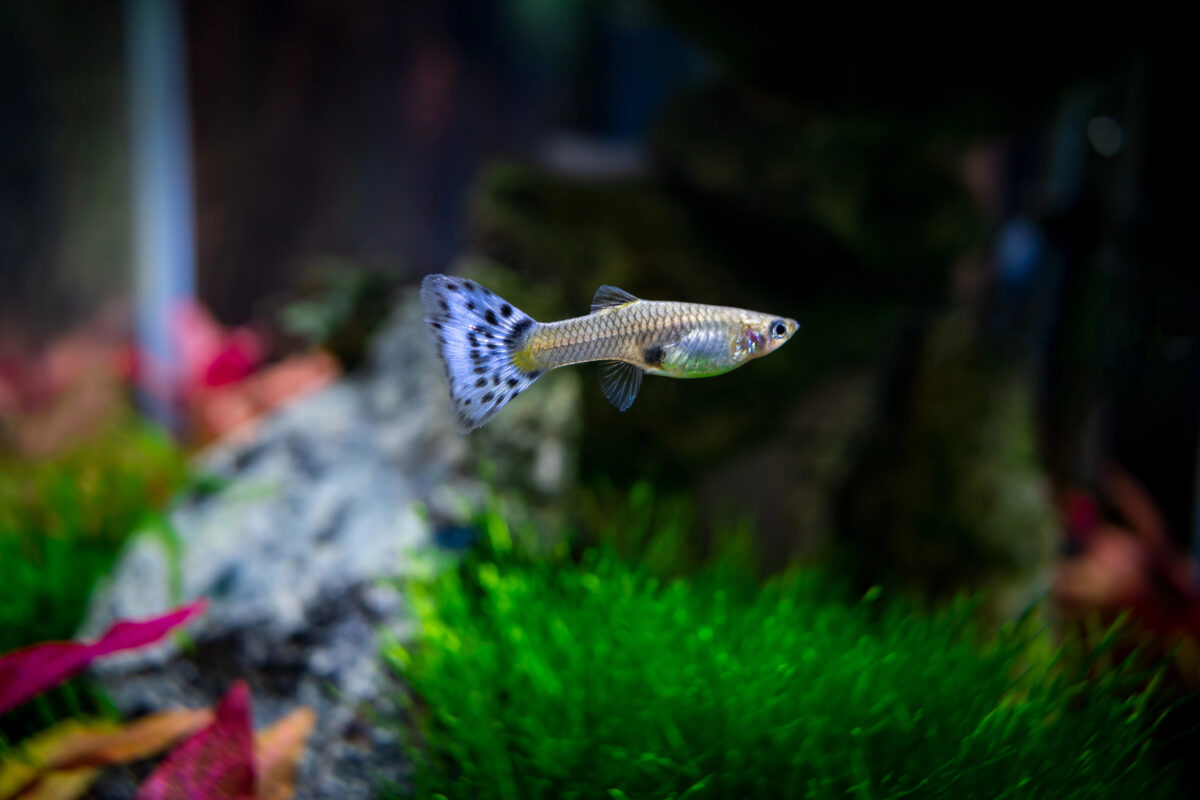
Guppies are one of the first fish most people recognize. They’re colorful, inexpensive, and almost always labeled as beginner-friendly at pet stores.
They’re also widely available, which makes them an easy choice when setting up a first aquarium.
Why They Actually Work In Beginner Tanks
- Adapt quickly to new environments, handle small water parameter swings, and continue eating even when conditions are not perfect.
- Peaceful behavior makes community stocking easier
- Small size and simple care reduce early maintenance stress
Buying Tip For Guppies: If you’re buying guppies for a first aquarium, look for common guppies, often sold as fancy tail guppies (Poecilia reticulata). These are the most widely available and tend to be more predictable in size, behavior, and care than other guppy species.
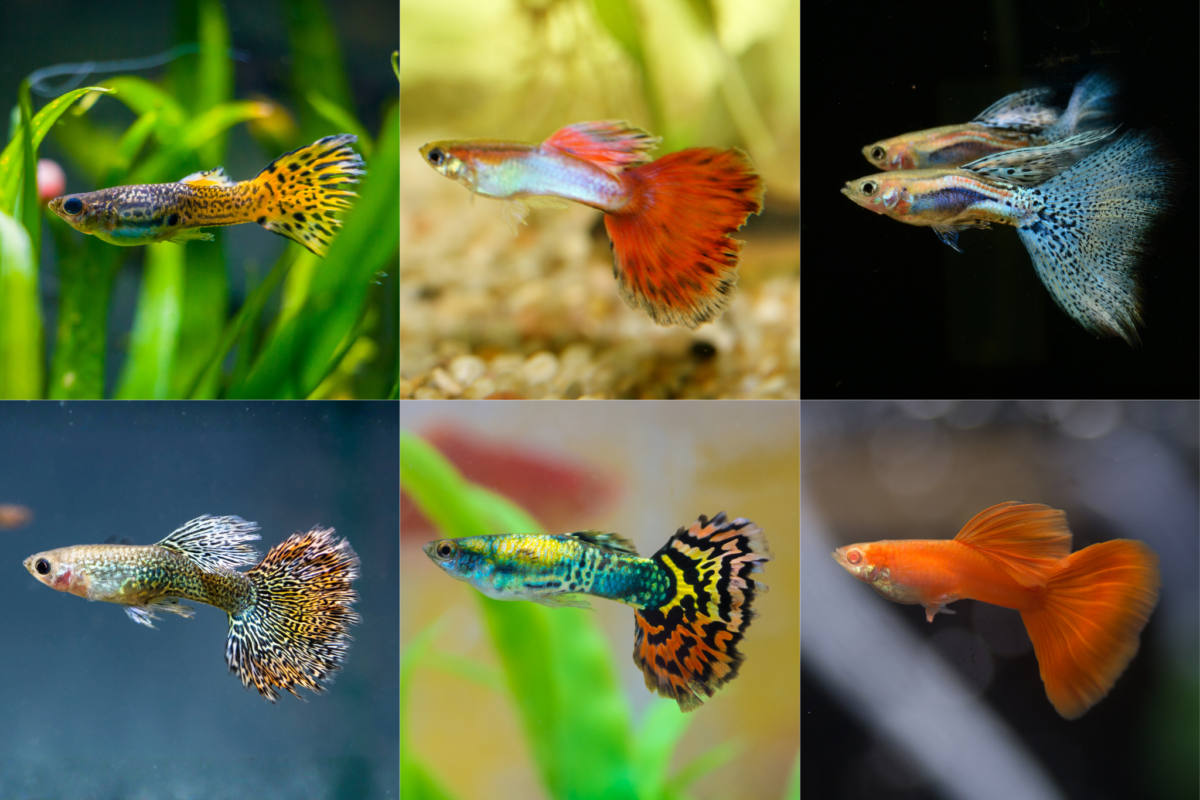
Beginner Reality Check
Guppies breed quickly, especially when males and females are kept together. New hobbyists often underestimate how quickly populations can grow, which is one of the reasons we’ve also featured them in our article on the worst fish for beginners.
To avoid overbreeding, stick with single-sex groups or have a clear plan for rehoming offspring.
2. Platies
One of the most reliable first-tank fish
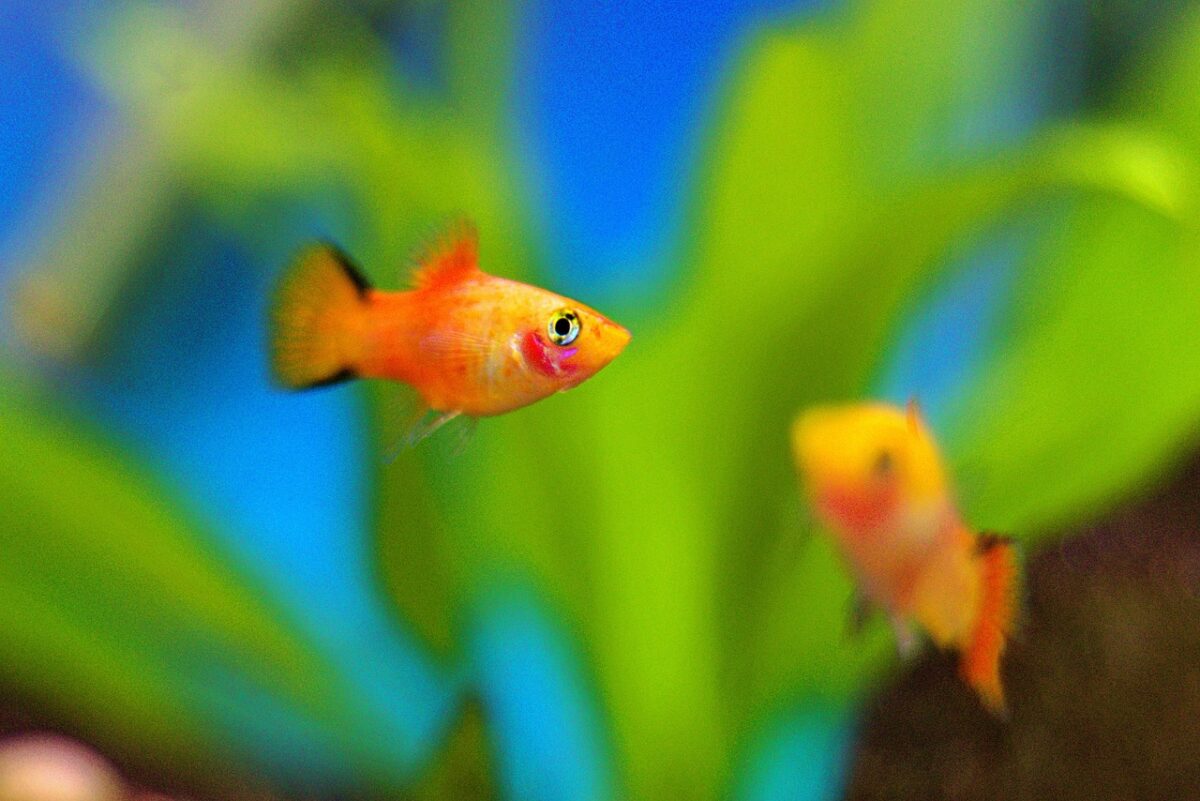
Platies are often recommended as a step up from guppies. They’re colorful without being overwhelming, widely available, and commonly sold as peaceful community fish.
They also have a reputation for being easy to keep, which makes them appealing to first-time aquarists who want something reliable but still interesting to watch.
Why They Actually Work In Beginner Tanks
- Adapt well to typical beginner tank conditions
- Peaceful, easygoing temperament works well in community setups. Check out our guide to platy tank mates
- Accept a wide range of readily available foods
Buying Tip For Platies: For a first aquarium, stick with common platies (Xiphophorus maculatus), which are widely available and adapt well to typical beginner tank conditions. They’re generally hardier and more predictable than less common hybrids or closely related species.
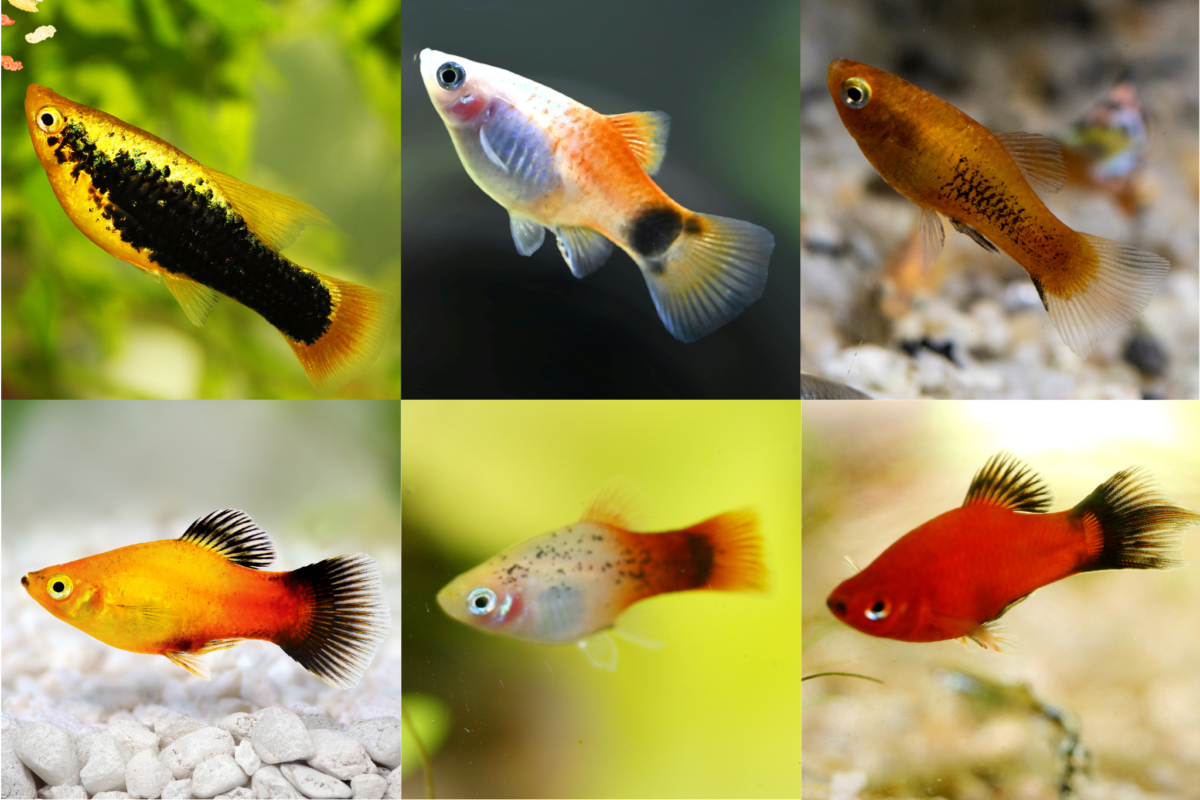
Beginner Reality Check
Like guppies, platies are livebearers and can reproduce quickly. Beginners who keep males and females together often end up with more fish than planned.
All-male groups are the easiest way to enjoy platies without dealing with unexpected population growth. Overcrowding creates more problems than platies themselves.
3. Zebra Danios
Survive beginner mistakes better than most
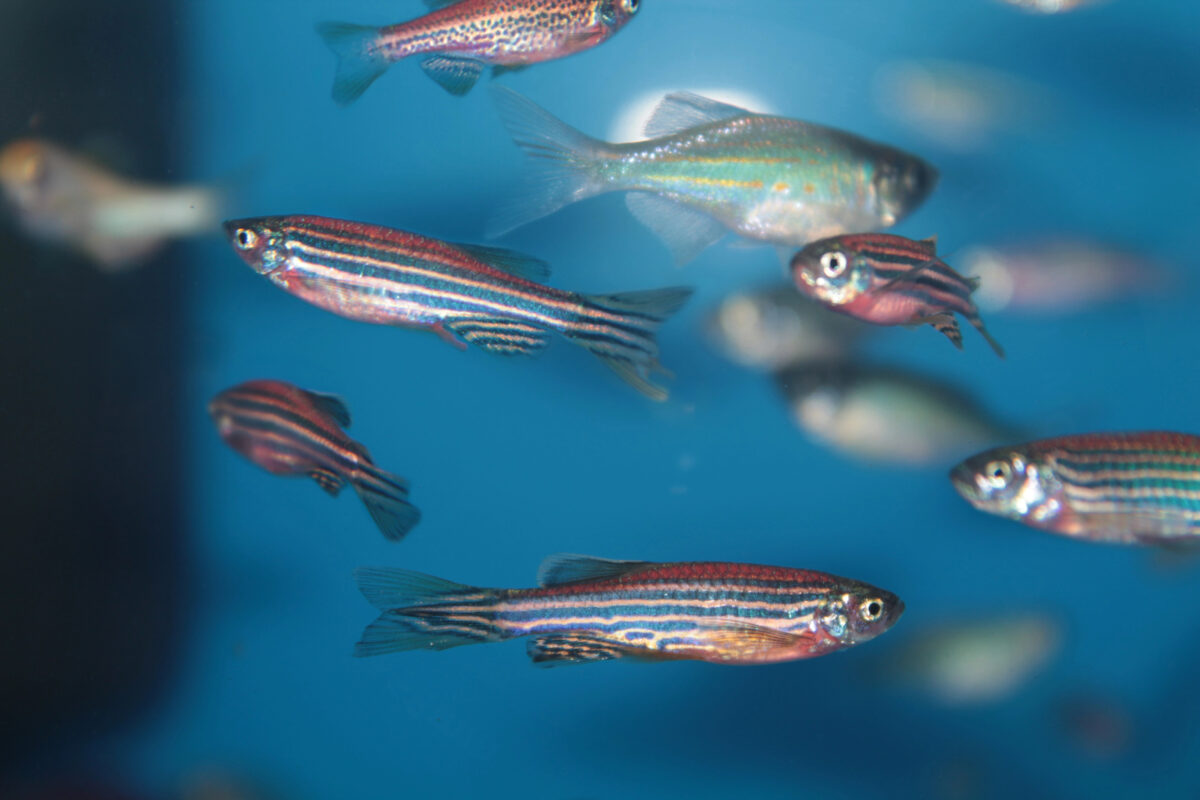
Zebra Danios, or zebrafish, are often described as tough for a reason. They’re fast, energetic, and noticeably more resilient than many other beginner fish, especially in new or still-settling tanks.
These active swimmers add constant movement and interest to an aquarium. They’re commonly chosen for first tanks because they handle early mistakes better than most small freshwater species.
Why They Actually Work In Beginner Tanks
- Handle temperature and water-condition fluctuations better than many beginner fish
- Schooling behavior helps reduce stress and aggression
- Recover quickly from early setup mistakes once conditions stabilize
What To Know Before Adding Them
Zebra Danios are energetic and do best in groups. When kept in small numbers, they can become overly active or stress other fish through constant movement.
A proper school helps distribute that energy and keeps their behavior balanced. A longer tank provides more swimming space, which makes a noticeable difference in how calm the tank feels overall.
4. White Cloud Mountain Minnows
Underrated, tough, and beginner-proof
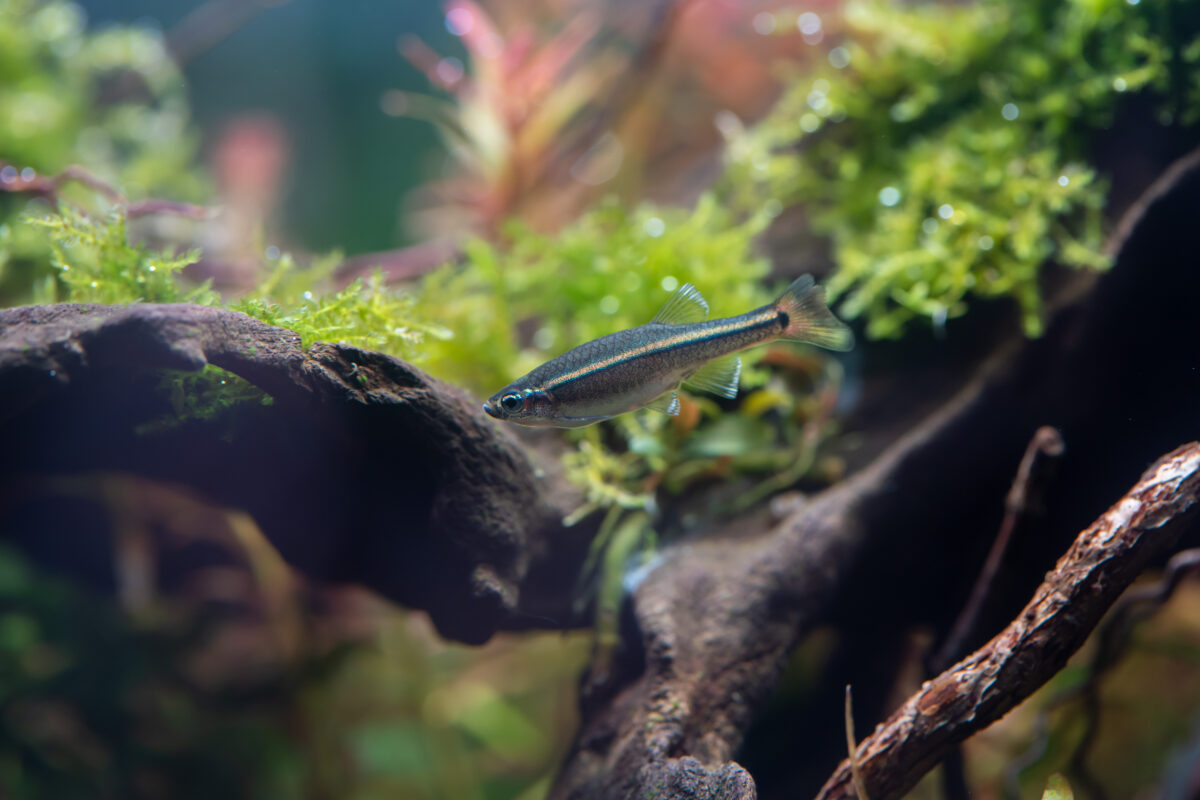
White Cloud Mountain Minnows are criminally underrated. While often overlooked, they’re one of the toughest beginner fish available.
These fish are small, peaceful, extremely hardy, and far more tolerant of beginner mistakes than many popular tropical species.
They’re especially appealing for first tanks because they don’t demand perfection. When conditions fluctuate slightly, White Clouds tend to adapt rather than decline.
Why They Actually Work In Beginner Tanks
- Thrive across a wider temperature range than many tropical fish
- Calm schooling behavior helps reduce stress and keeps tanks stable
- Forgive early mistakes without declining quickly
What To Know Before Adding Them
White Cloud Mountain Minnows do best in groups. When kept in proper numbers, they spread out their activity and remain calm and social.
They prefer slightly cooler water than many tropical fish. In warm tanks designed for species like mollies or swordtails, they may become stressed over time.
5. Corydoras Catfish
Peaceful bottom dwellers when kept properly
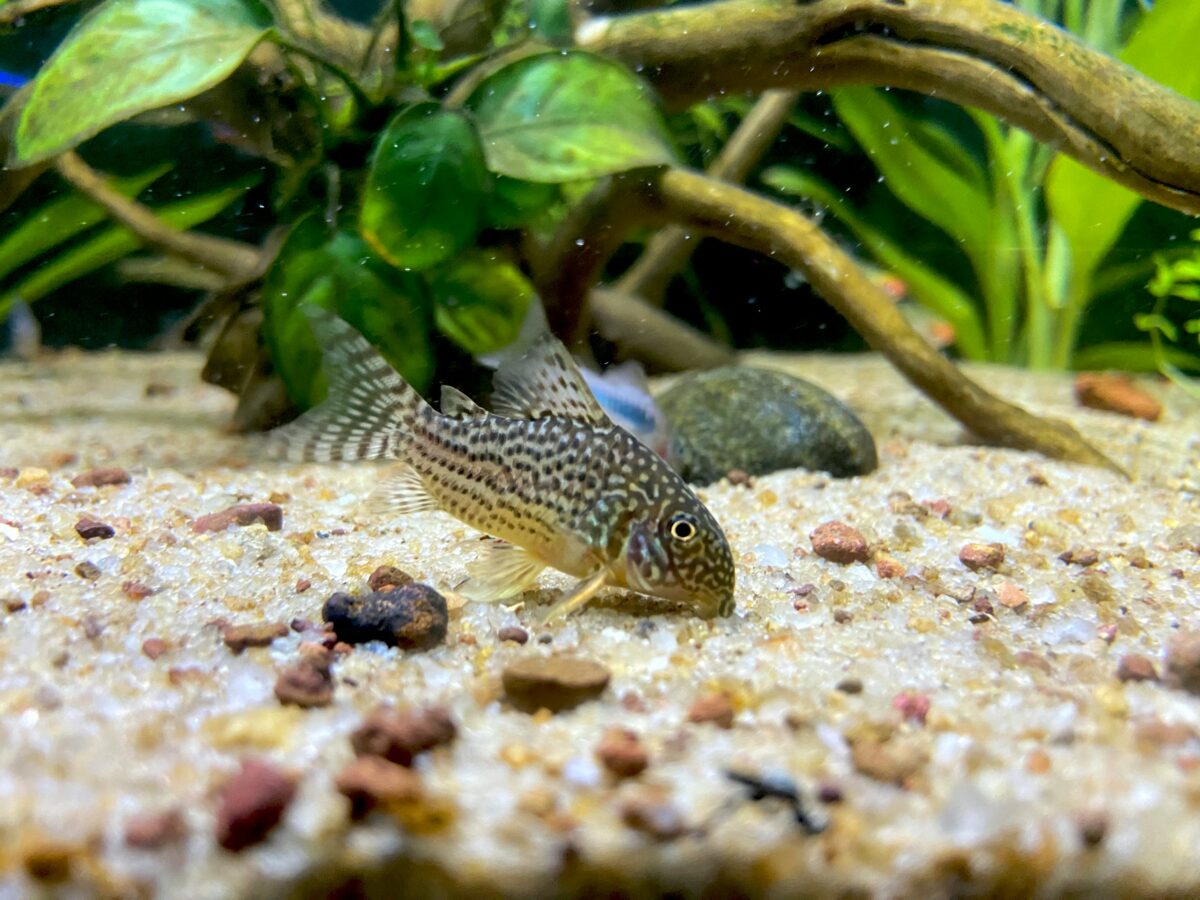
Corydoras Catfish are small, peaceful bottom dwellers that add balance to beginner aquariums. Instead of competing with mid- and top-level swimmers, they spend their time exploring the substrate and scavenging leftover food.
They’re often recommended for first tanks because they’re gentle, social, and easy to observe, even for new hobbyists.
Why They Actually Work In Beginner Tanks
- Peaceful bottom-dwelling behavior adds balance to community tanks
- Social nature encourages natural activity when kept in groups
- Scavenging habits help reduce leftover food buildup
What To Know Before Adding Them
Corydoras Catfish must be kept in groups. Single Corydoras often hide and become inactive, which can worry new owners.
Substrate choice matters. Soft sand or smooth gravel protects their sensitive barbels and helps prevent long-term health issues.
6. Harlequin Rasboras
Calm schooling fish that tolerate learning curves
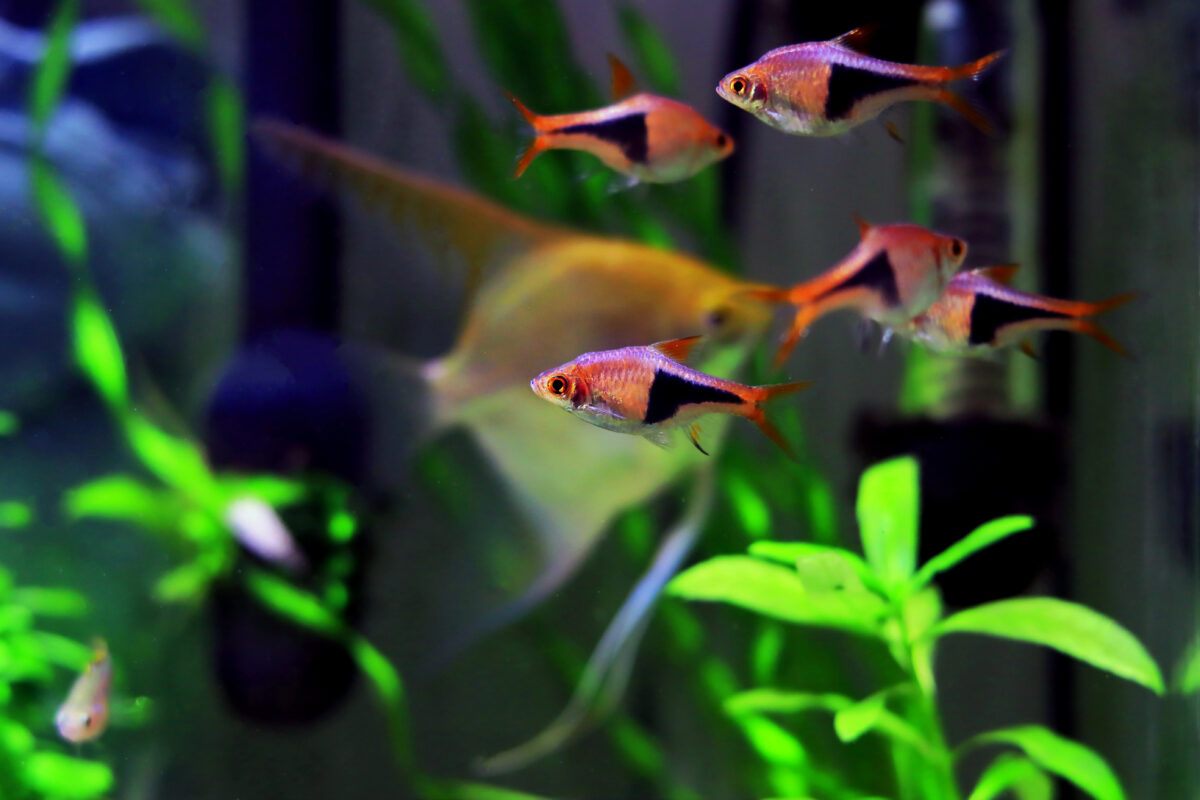
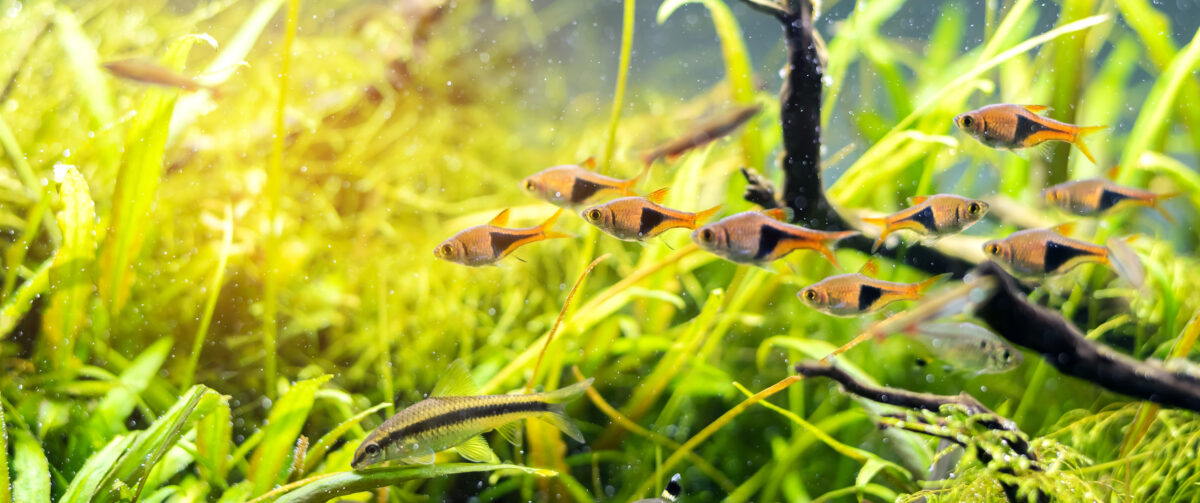
Harlequin Rasboras are calm, steady schooling fish that bring movement without chaos to a beginner aquarium. They’re subtle rather than flashy, which often makes them less intimidating for new hobbyists who want a peaceful tank.
They’re frequently recommended once a tank has a bit of stability, but they’re still forgiving enough to succeed in early setups when basic care is in place.
Why They Actually Work In Beginner Tanks
- Adapt well to stable community tank conditions
- Mix well with many other beginner-friendly species, which makes stocking decisions easier for new aquarists
- Not prone to sudden aggression, fin nipping, or territorial behavior
What To Know Before Adding Them
Harlequin Rasboras need to be kept in groups to thrive. Smaller numbers can lead to shy behavior and reduced activity.
They do best in tanks with some plant cover or visual breaks. A lightly planted aquarium helps them feel secure and brings out their natural schooling behavior.
7. Neon Tetras
Beginner-friendly only in established tanks
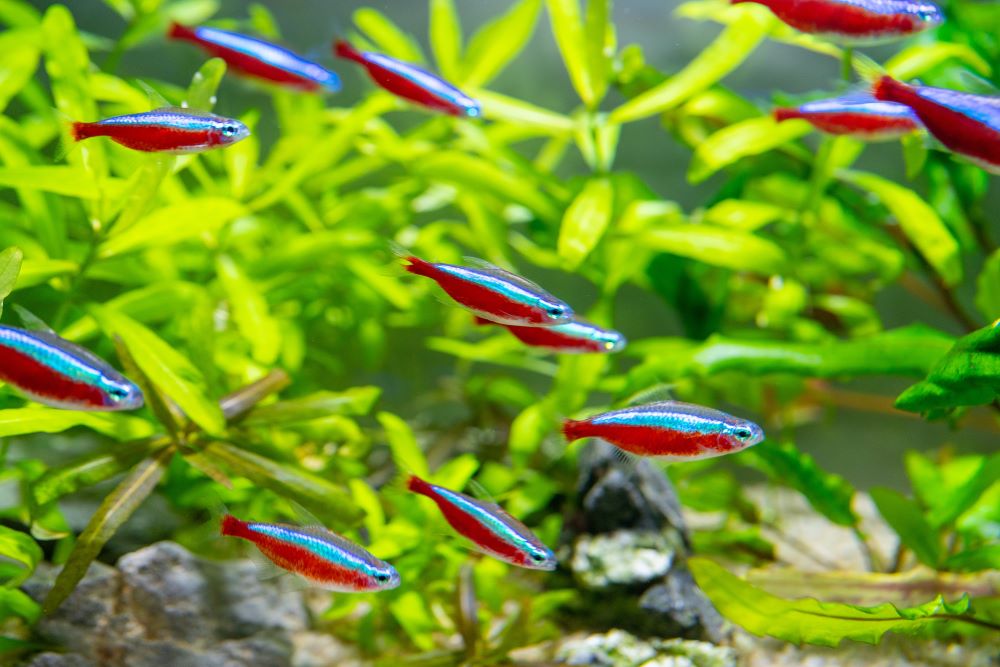
Neon Tetras are one of the most recognizable aquarium fish, known for their bright blue and red stripes. They’re often associated with peaceful community tanks and are widely marketed as beginner-friendly.
They can work well for new hobbyists, but they perform best once the tank has settled.
Why They Actually Work In Beginner Tanks
- Thrive in calm, stable tanks once water conditions settle
- Tend to coexist peacefully with other small, non-aggressive species
- Widely available care guidance makes troubleshooting easier
Common Beginner Mistake
Adding neon tetras too early often leads to problems. Freshly set-up tanks can fluctuate in ways that stress them, even when conditions seem acceptable.
Waiting until a tank has stabilized makes a noticeable difference. When introduced later rather than first, neon tetras are far more likely to settle in and thrive. View our guide to the best Neon Tetra tank mates.
8. Mollies
Hardy, but water chemistry matters
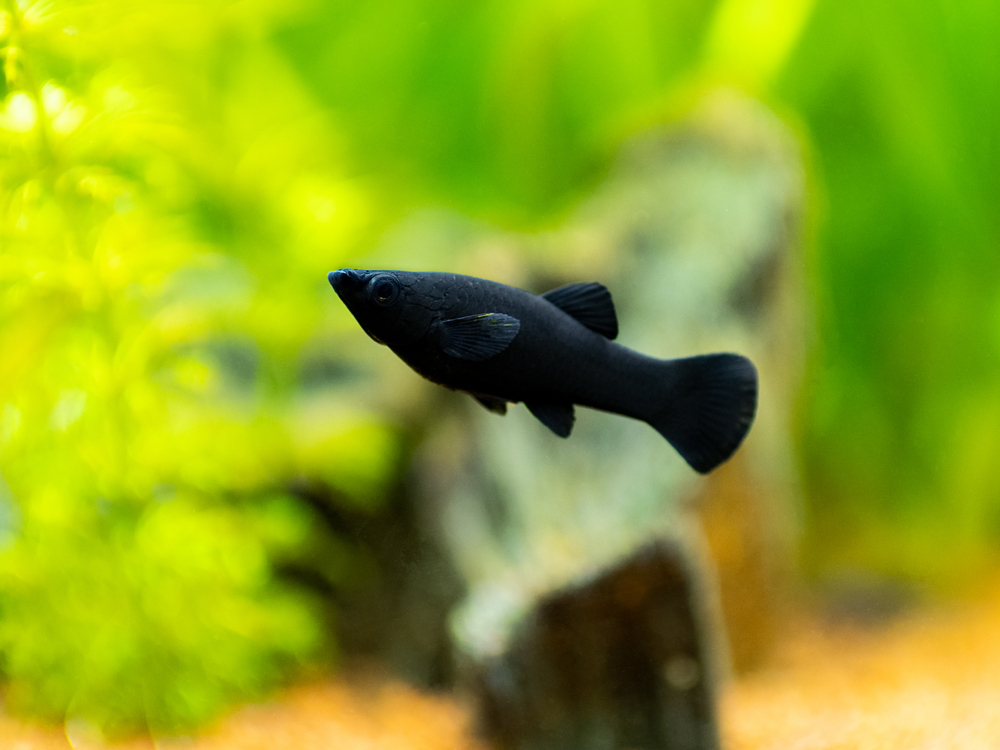
Mollies are larger, more active livebearers that bring constant movement to a beginner aquarium. They’re often sold as easy community fish and can do very well for new hobbyists when expectations are set correctly.
They’re hardy and adaptable, but they benefit from a bit more awareness than guppies or platies.
Why They Actually Work In Beginner Tanks
- Flexible diet makes long-term feeding easier for beginners
- Tolerate a wide range of conditions and recover well from minor mistakes once a tank has stabilized
- Active swimmers that help keep a tank feeling lively without turning aggressive
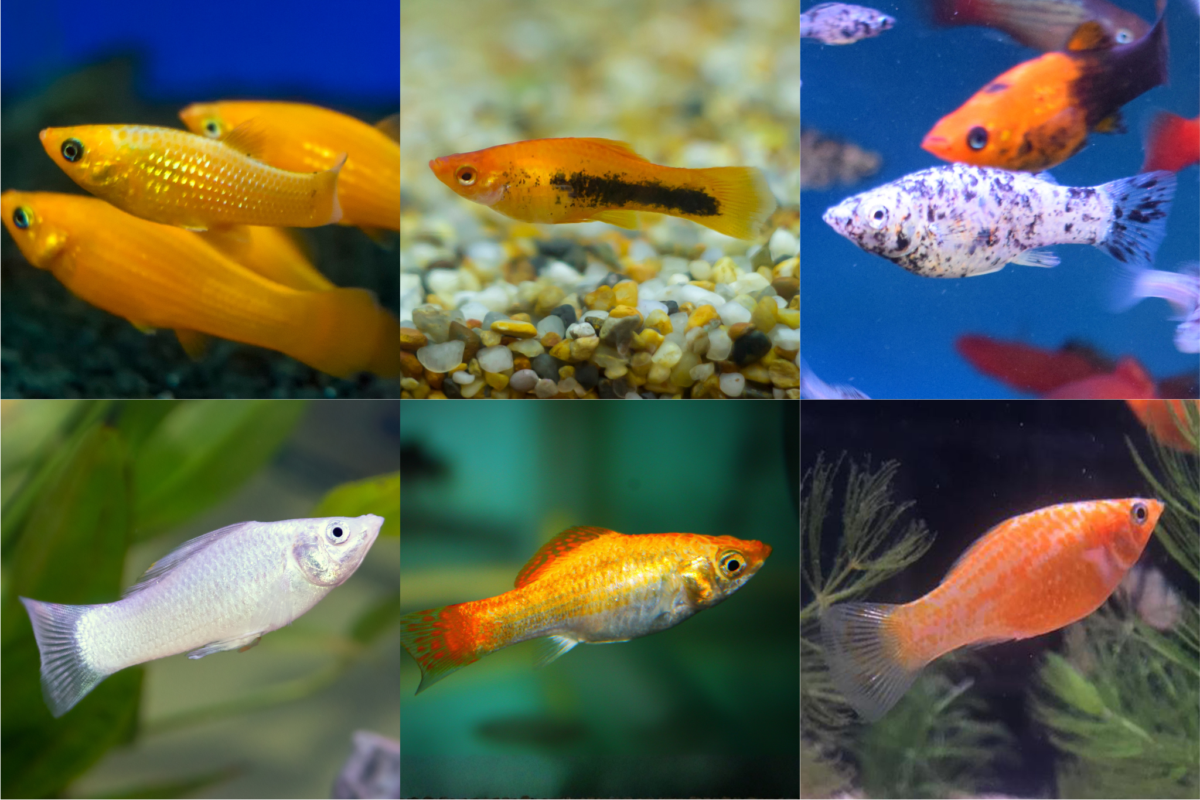
Buying Tip For Mollies: Common, short-finned mollies (Poecilia sphenops) with natural body shapes tend to be hardier and easier to care for than balloon or long-finned varieties. Avoid exaggerated fins or rounded bodies if you want the most forgiving experience in a first tank.
When They Become A Problem
Mollies grow larger than many beginners expect. In smaller tanks, their size and activity level can lead to crowding and stress.
They also prefer harder, more alkaline water than some other beginner fish. In soft or acidic setups, mollies may struggle over time, even when everything else seems fine.
Like other livebearers, mollies reproduce quickly when males and females are kept together. Single-sex groups help avoid population issues and reduce long-term maintenance stress.
9. Swordtails
Active, larger livebearers with space needs
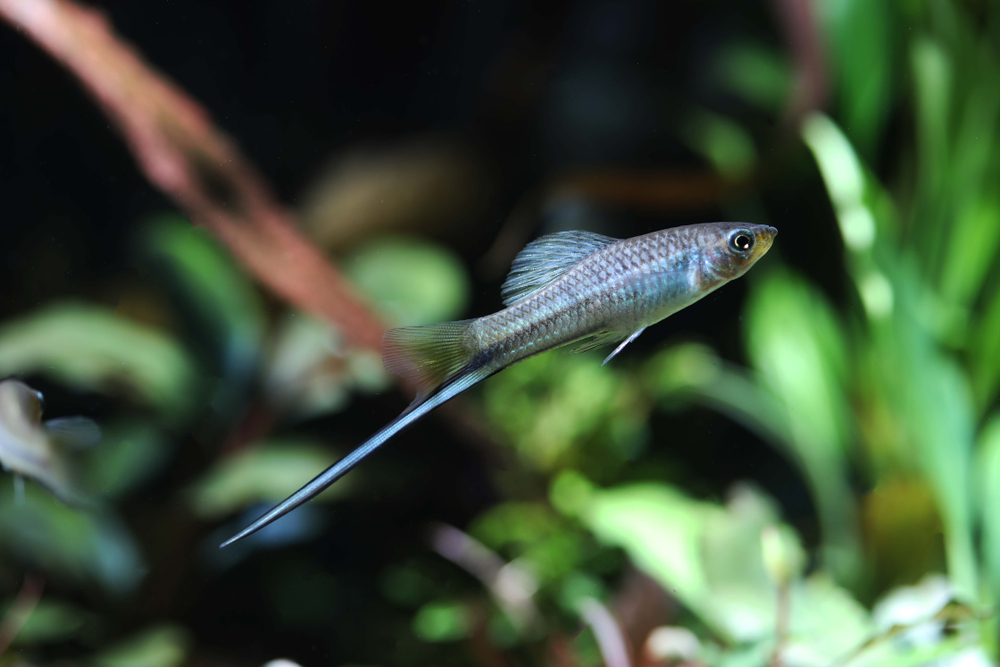
Swordtails are active, confident livebearers best known for the elongated tail extension on males. They’re energetic without being chaotic and bring constant movement to a beginner aquarium.
They’re often grouped with guppies and mollies, but swordtails need slightly more space and planning to truly shine.
Why They Actually Work In Beginner Tanks
- Accept a wide range of common aquarium foods
- Hardy nature helps them recover from minor beginner mistakes
- Coexist well with other peaceful fish and rarely cause sustained conflict
What To Know Before Adding Them
Swordtails are strong swimmers and need more horizontal space than many beginners expect. Crowded tanks can amplify stress and chasing behavior.
Like other livebearers, swordtails reproduce quickly when males and females are kept together. Single-sex groups help prevent unwanted breeding and reduce long-term maintenance demands.
When choosing swordtails, natural body shapes tend to be more forgiving than extreme fin varieties. Avoid exaggerated tails if long-term resilience matters more than appearance.
10. Bristlenose Plecos
The pleco beginners actually want
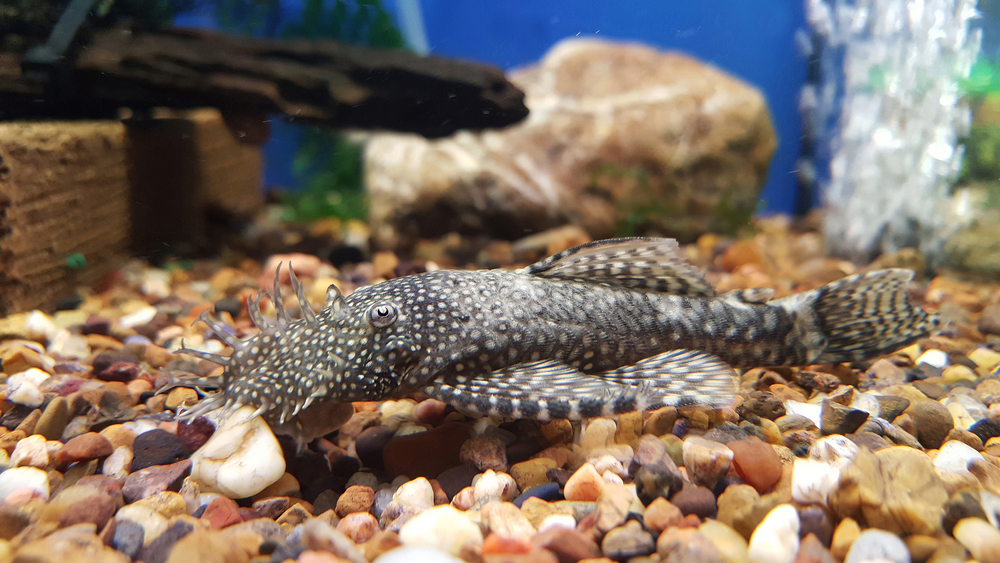
Plecos are often marketed as cleanup fish, but not all plecos belong in beginner tanks. Bristlenose Plecos stand out as the exception that actually works long-term.
They stay relatively small compared to common plecos and adapt well to typical community aquariums when basic needs are met.
Why They Actually Work In Beginner Tanks
- Smaller adult size stays manageable in typical home aquariums
- Peaceful behavior works well in community tanks
- Support algae control alongside regular maintenance
When They Become A Problem
Bristlenose Plecos still grow larger than many beginners expect. Tank size matters, and cramped conditions can lead to stress or poor health over time.
They also need more than algae alone. A balanced diet that includes sinking foods and occasional vegetables supports long-term health and prevents nutritional problems.
Choosing the right pleco matters. Bristlenose plecos are suitable for beginners, while common plecos and other large species often create regret later.
Beginner Fish Compared At A Glance
Choosing the right beginner fish often comes down to tolerance, space, and behavior rather than appearance. This quick comparison shows how the fish on this list stack up when it comes to tank size, social needs, and how forgiving they are during the learning phase.
Use this table as a reference if you’re deciding between a few options or planning a mixed community tank.
| Fish | Minimum Tank Size | Temperament | Mistake Tolerance |
|---|---|---|---|
| Guppies | 10 gallons | Peaceful, social | High |
| Platies | 10 gallons | Peaceful, social | High |
| Zebra Danios | 10–20 gallons | Active, schooling | Very High |
| White Cloud Mountain Minnows | 10–20 gallons | Peaceful, schooling | Very High |
| Corydoras Catfish | 20 gallons | Peaceful, group-oriented | High |
| Harlequin Rasboras | 20 gallons | Calm, schooling | High |
| Neon Tetras | 20 gallons | Peaceful, schooling | Moderate |
| Mollies | 20–30 gallons | Active, social | Moderate |
| Swordtails | 30 gallons | Active, social | Moderate |
| Bristlenose Plecos | 30 gallons | Peaceful, solitary | Moderate |
4 Beginner-Friendly Tank Inhabitants Beyond Fish
Not every beginner aquarium needs to start with fish. Some aquarists prefer low-maintenance tank inhabitants, while others simply enjoy invertebrates more than fish.
The species below are beginner-friendly, easy to care for, and well-suited to early tanks. Some help keep tanks cleaner, while others add movement and interest without the complexity of fish stocking.
1. Cherry Shrimp
Cherry shrimp are small, active scavengers that constantly pick at algae, biofilm, and leftover food. They’re especially useful in planted tanks, where they help keep surfaces clean without disturbing plants.
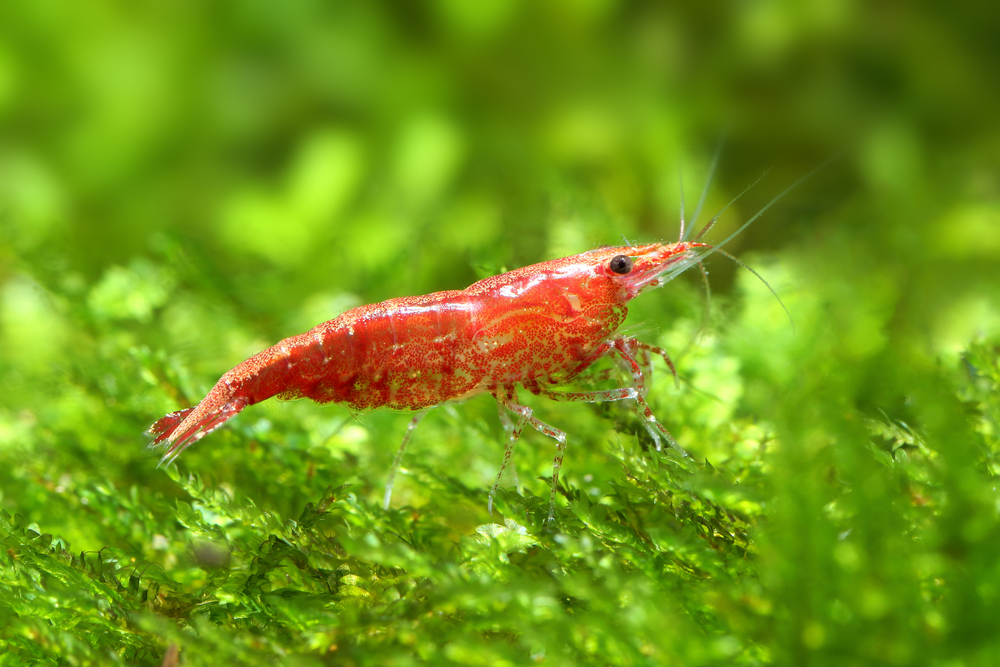
They do best in stable tanks and with peaceful fish that won’t see them as food. When conditions are right, cherry shrimp add movement and interest without adding bioload stress.
What To Know Before Adding Them
Cherry shrimp are sensitive to sudden changes. They’re best added after a tank has cycled and settled. Avoid housing them with larger or aggressive fish that may prey on them.
2. Amano Shrimp
Amano shrimp are best known for their algae-eating ability and are often added to freshwater aquariums for maintenance support rather than decoration. They’re larger and less colorful than cherry shrimp, but noticeably more effective at cleaning.
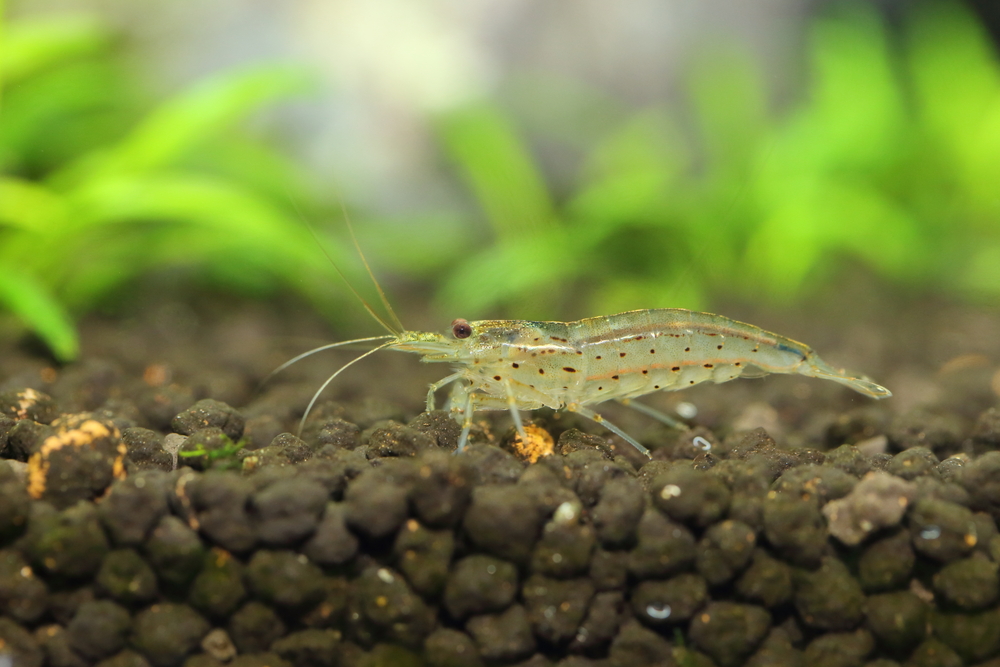
They can work in beginner tanks that are already stable, especially for aquarists who want function over color.
What To Know Before Adding Them
Amano shrimp are sensitive to sudden water changes and poor acclimation. They do best in tanks that have already cycled and settled.
They also require supplemental feeding once algae becomes limited. Without it, they may slowly starve despite appearing active. Check out our feeding tips for Amano shrimp.
Unlike cherry shrimp, Amano shrimp do not reproduce in freshwater, which prevents population growth but also means you won’t see self-sustaining colonies.
3. Nerite Snails
Nerite snails are one of the most effective algae eaters for beginner tanks. They clean glass, decor, and hard surfaces without reproducing in freshwater.
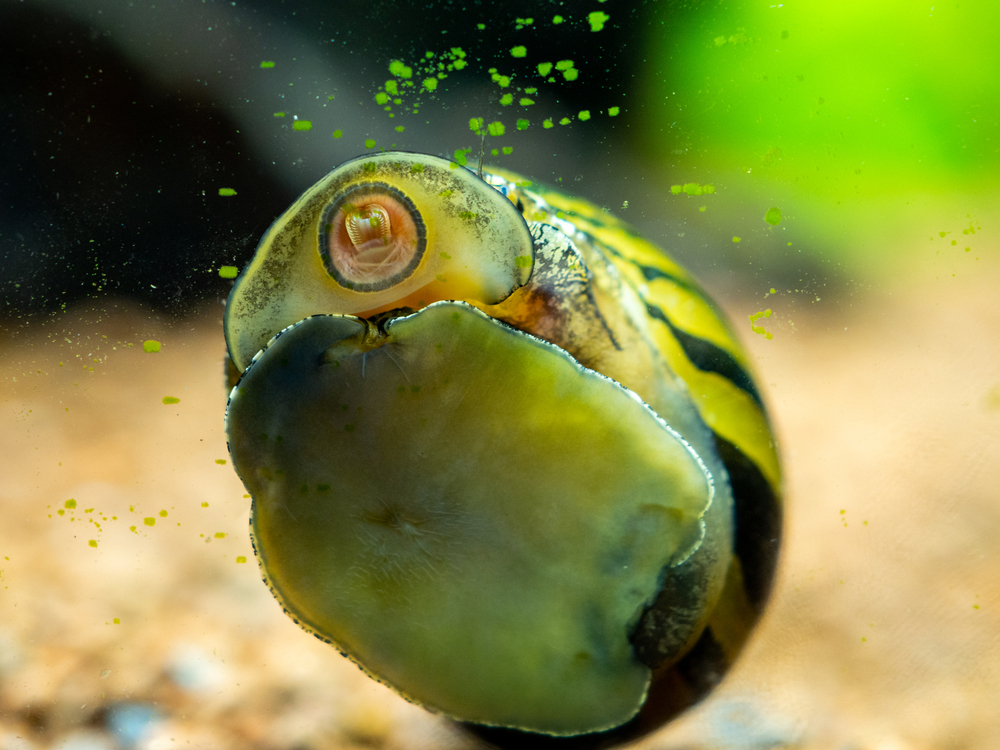
Because they don’t multiply uncontrollably, nerite snails are ideal for beginners who want help with algae without adding long-term population issues.
What To Know Before Adding Them
Nerite snails may leave small white eggs on hard surfaces. These eggs won’t hatch in freshwater, but they can be visible in display tanks.
4. Mystery Snails
Mystery snails are larger, more interactive snails that add personality to a beginner aquarium. They help clean leftover food and soft algae while remaining easy to observe and care for.

They’re hardy, peaceful, and compatible with most beginner-friendly fish.
What To Know Before Adding Them
Mystery snails add more bioload than smaller snails. They need supplemental feeding and enough space to move comfortably.
What’s Not Included & Why
Some fish are commonly labeled as beginner-friendly but don’t consistently deliver a low-stress first experience. We left these out intentionally.
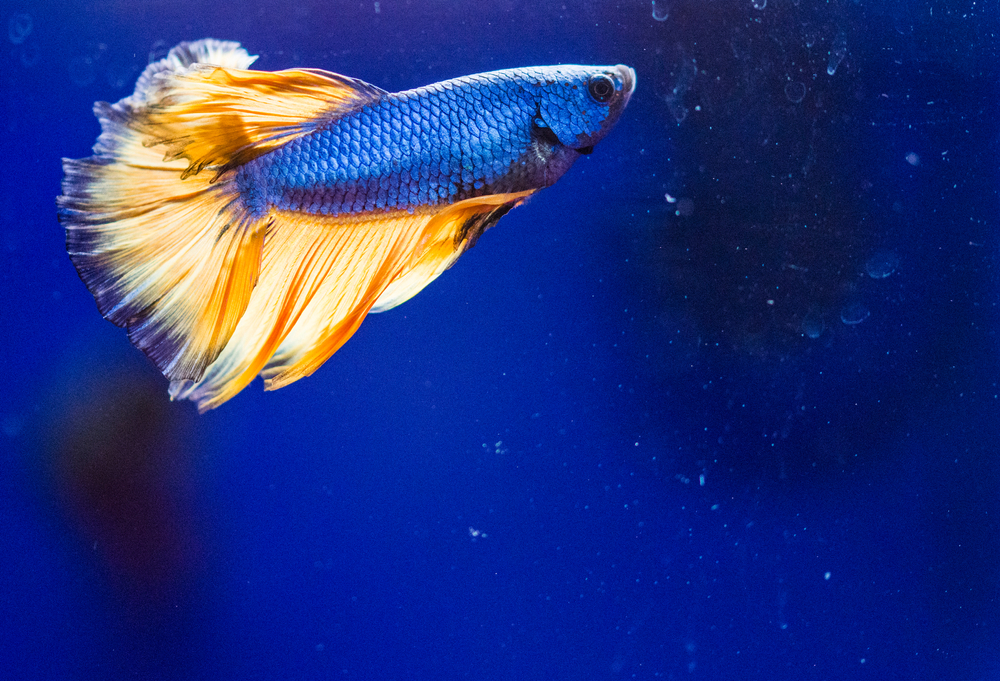
Betta Fish
Betta Fish are often marketed as perfect beginner fish, but they’re more sensitive than many people expect. Water quality, temperature stability, and tank setup matter more for bettas than store displays suggest.
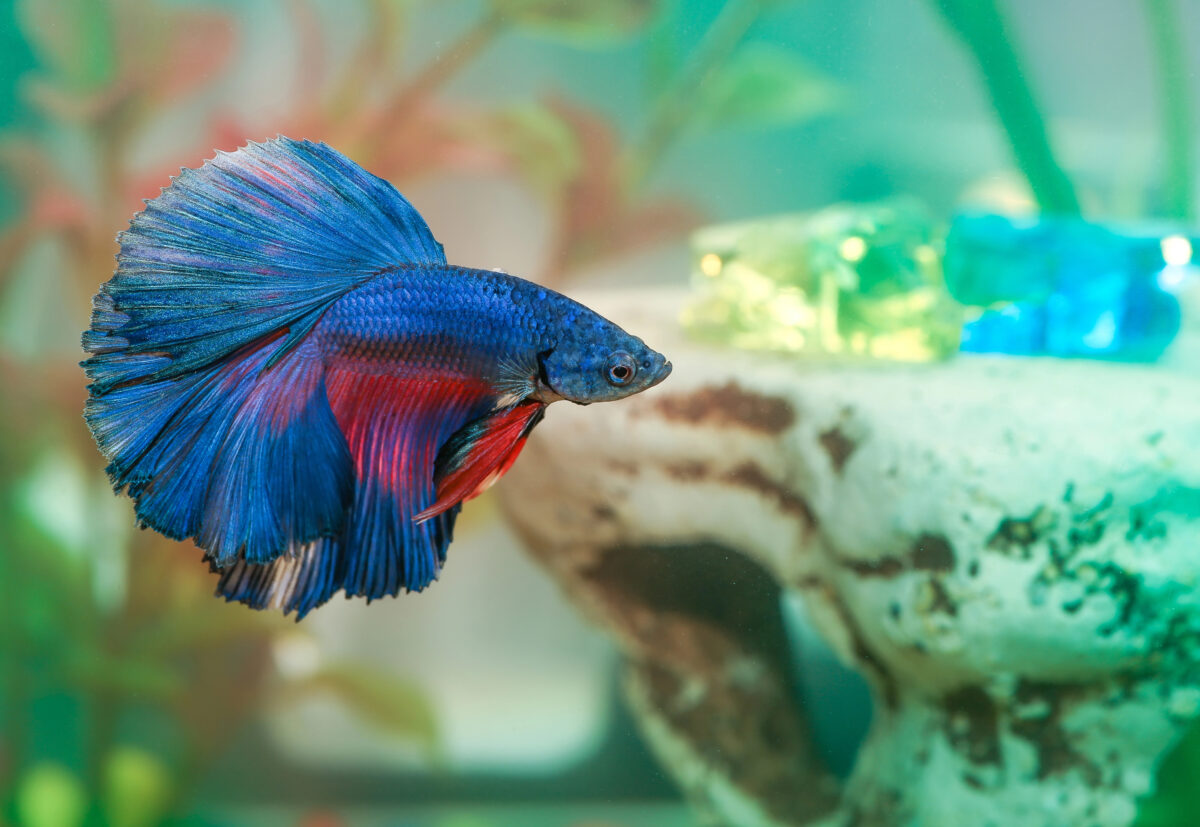
They can thrive with proper care, but they don’t forgive mistakes as easily as the fish on this list. For a true first tank, many beginners find bettas more stressful than relaxing.
Common Plecos
Common plecos grow far larger than most beginners realize and quickly outgrow typical starter tanks. While they’re sold as cleanup fish, they often create long-term space and waste issues that lead to regret.
Aggressive Or Highly Specialized Fish
Fish that require precise water conditions, show territorial behavior, or depend on specialized diets tend to frustrate new hobbyists. Even if they survive short term, they often turn a beginner tank into a constant problem-solving exercise.
Why Beginner Tanks Still Fail (Even With Easy Fish)
Choosing forgiving fish helps, but it doesn’t guarantee success on its own. Many beginner tanks fail because of setup timing, expectations, or routines that don’t quite line up yet.
Most early problems happen quietly. Fish eat less. Behavior changes. Algae builds faster than expected. None of this feels dramatic at first, which makes it easy to miss until things spiral.
The good news involves awareness. Once beginners understand where tanks usually go wrong, most issues become preventable instead of mysterious.
The Most Common Underlying Causes
- Tanks stocked too quickly before stability settles in
- Overfeeding during the excitement phase
- Inconsistent water changes
- Mismatched expectations around tank size and fish behavior
Easy fish forgive mistakes, but repeated stress still adds up over time.
4 Beginner Tank Setup Mistakes To Avoid
Most beginner mistakes are not dramatic or reckless. They come from enthusiasm, impatience, or unclear advice.
Avoiding a few common pitfalls can make the difference between a frustrating first tank and one that steadily improves.
- Adding fish too quickly. New tanks need time to stabilize, and adding fish slowly allows beneficial bacteria to adjust while reducing sudden water quality swings.
- Overfeeding early on. Beginners often feed more than necessary, and smaller portions with close observation help prevent waste buildup that strains water quality.
- Ignoring tank size realities. Some fish fit physically but not behaviorally, and adequate space allows active swimmers and bottom dwellers to move comfortably with less stress.
- Chasing perfection instead of consistency. Stable routines matter more than perfect numbers, and consistent maintenance supports healthier tanks over time.
Where To Buy Beginner Fish (And What To Avoid)
Where you buy your fish matters just as much as which species you choose. Healthy fish from well-maintained systems are far more likely to survive the transition into a new tank.
Local fish stores are often the best option because their tanks are typically better monitored, and staff can answer species-specific questions. Many local shops can also special-order specific types, colors, or varieties if you’re looking for something particular.
Big-box stores can still work, but it’s worth spending a few minutes observing tank conditions before purchasing.
What To Look For Before Buying Fish
- Active fish that swim normally and respond to movement
- Clear eyes and intact fins without fraying or tears
- No visible white spots, fuzz, or open sores
- Clean tanks without dead fish or cloudy water
- Fish that are not gasping at the surface or hiding constantly
Whenever possible, add new fish gradually and consider a short quarantine period before introducing them to your main tank. This extra step can help prevent disease and reduce stress for both new and existing fish.
Frequently Asked Questions
Starting a first aquarium often brings up questions that don’t always fit neatly into a fish list or setup guide. These quick answers address common concerns beginners have as they plan, stock, and adjust to life with a new tank.
Don’t see your question? Respond in the comments, and we’ll get back to you!
Can I Start With Just One Fish?
It depends on the species. Some fish, like bettas or bristlenose plecos, do fine alone, while schooling fish need companions to feel secure and behave normally.
Do I Need To Add All These Fish At Once?
No, and you shouldn’t. Adding fish gradually gives your tank time to adjust and reduces the risk of water quality problems during the early stages.
Are These Fish Still Beginner-Friendly In Small Tanks?
Some are, but tank size still matters. Even easy fish can struggle if they don’t have enough space to swim, school, or establish natural behavior.
What If I Already Bought One Of The “Wrong” Fish?
That happens to many beginners, and it doesn’t mean your tank is doomed. Focus on improving conditions, reducing stress, and learning from the experience rather than rushing to replace fish.
Set Yourself Up For Success
Your first aquarium doesn’t have to be stressful. Choosing forgiving fish, stocking thoughtfully, and avoiding a few common setup mistakes can make a huge difference in how enjoyable the experience feels.
If you want extra support as your tank matures, these guides can help you build confidence and avoid the most common beginner setbacks:
- Beginner Aquarium Essentials – Tips for Fish Keepers’ First Aquarium
- How Many Fish Can You Keep In One Tank? – Practical stocking guidance that prevents crowding and stress.
- How To Cycle A Fish Tank – Everything you need to know about cycling your aquarium.
Start slow, observe often, and give your tank time to settle. With the right expectations and the right fish, your first aquarium can be something you enjoy instead of something you fight.