When you purchase through links on our site, we may earn a commission. Here’s how it works.
They looked calm. Colorful. Maybe even labeled “great for beginners.” Then one started chasing everything. Another outgrew the tank. One wiped out the rest overnight.
If you’re new to fishkeeping, these are the 11 worst fish for beginners: the ones people buy… then immediately regret.
Table of Contents
Worst Fish for Beginners
The “Easy Fish” That Ruin First Tanks
They’re sold as calm. Easy. Beginner-friendly. And they’re the reason so many first aquariums fail.
The worst fish for beginners aren’t rare or exotic. They’re often the popular ones, the fish pet stores recommend, the fish beginners buy on day one, and the fish that quietly turn a fun new hobby into stress and regret.
What actually happens is predictable:
- A “peaceful” fish matures and becomes an aggressive aquarium fish
- A small fish suddenly needs far more space
- One fish starts stressing or killing tank mates
- The tank spirals fast
That’s why these are the fish beginners regret buying. Not because beginners are careless, but because these fish can be far more demanding than their beginner-friendly reputation suggests.
Once you understand this mistake, the worst fish for beginners becomes obvious.
Want a Low-Stress Aquarium From Day One? If you’re feeling overwhelmed or just want things to go smoothly, our guide on easy steps to a low-stress aquarium walks you through simple, beginner-friendly habits that prevent the most common tank problems before they start.
Up next: The 11 worst fish for beginners.
The 11 Worst Fish for Beginners
If You’re Just Starting Out, It’s Probably Best To Avoid These
These are the fish beginners buy most often and regret fastest. They’re commonly sold as easy, peaceful, or beginner-friendly, but in real tanks, they grow too big, turn aggressive, or create nonstop problems new owners aren’t ready for.
1. Angelfish
Beginner Fish That Turn Aggressive
Angelfish are calm and well-behaved when they’re young, which is why beginners feel confident buying them. The problem comes later. As they mature, Angelfish can become territorial, especially when they pair off or begin breeding. Adults may also eat fish small enough to fit in their mouths.
Beginners struggle because the tank often seems peaceful at first. Then the Angelfish starts chasing, nipping, and stressing other fish, turning a community tank into a constant conflict zone.
- Why beginners buy them: Juveniles look graceful, peaceful, and manageable in community tanks.
- What changes later: Adults may become territorial, especially after pairing off or preparing to breed.
- Biggest challenge: They need a roomy aquarium with suitable tank mates and enough structure to divide territories.
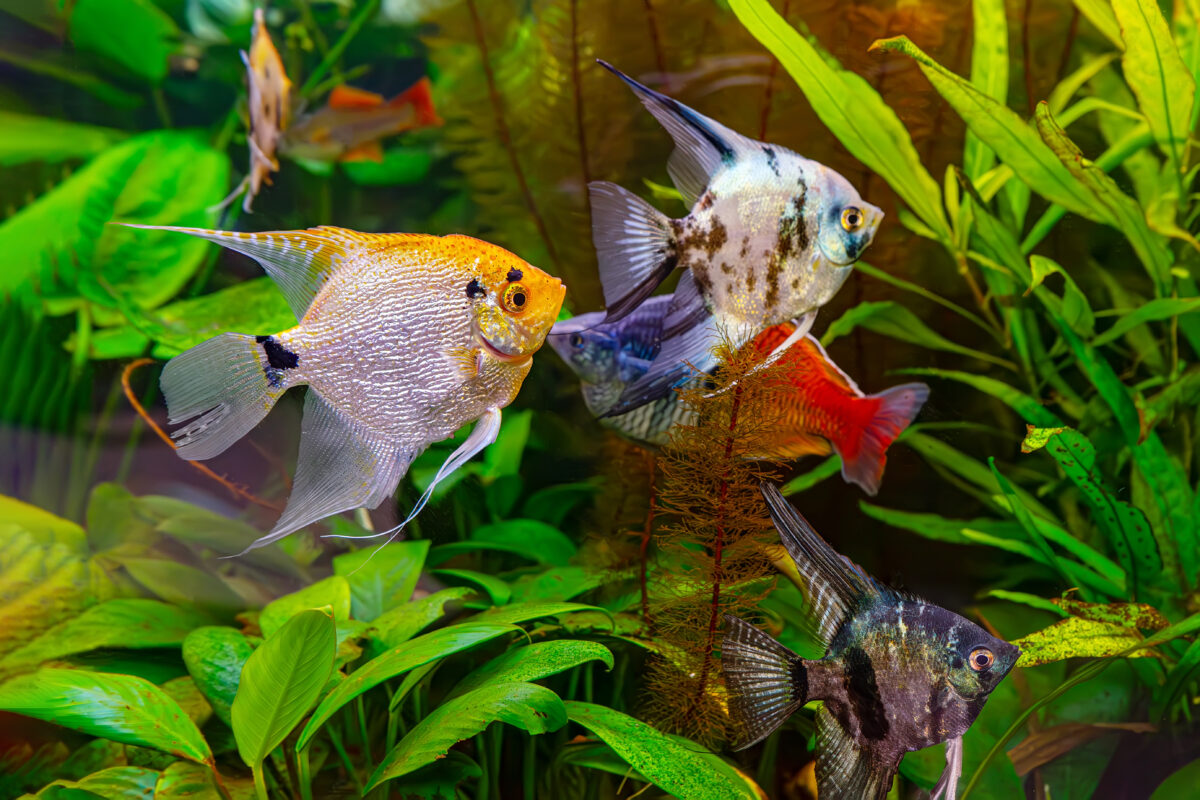
Photo by katyamaximenko on Adobe Stock
Already Have Angelfish? Make sure the aquarium provides enough swimming room and use plants or décor to break up sightlines. Watch smaller fish and known fin nippers carefully, and separate incompatible fish if aggression becomes persistent. Our guide to the best Angelfish tank mates can help you evaluate the current community.
2. Gouramis
Beautiful Fish Beginners Should Avoid
Gouramis are colorful and eye-catching, but many species are territorial and unpredictable. Some remain calm, while others suddenly become aggressive toward tank mates without obvious warning.
This inconsistency makes them especially hard for beginners, who don’t yet know how to manage aggression or identify which species are more problematic.
Temperament varies considerably by species. Honey Gouramis are usually among the gentler choices, while Blue, Gold, Three-Spot, and some male Dwarf Gouramis can become territorial. Two males or poorly matched tank mates may turn a seemingly peaceful setup into a constant dispute.
- Why beginners buy them: Their bright colors and “community fish” label make them appear easygoing.
- What changes later: Some species and individual males become territorial toward similar-looking fish.
- Biggest challenge: Temperament, adult size, and tank requirements vary considerably between Gourami species.

Already Have Gouramis in Your Tank? Tank mates matter more with Gouramis than most beginners realize. Identify the exact species first because adult size and temperament vary considerably. Provide plant cover, avoid crowding territorial males, and intervene if one fish is continually chased or prevented from eating. Our guide to the best tank mates for Gouramis explains which fish tend to work well and which combinations usually end in stress or fighting.
3. Bala Sharks
The Fish That Outgrow Your Aquarium
Bala sharks start small, sleek, and active. Then they keep growing fast. Many beginners don’t realize these fish can reach sizes that require very large, open tanks.
As they outgrow beginner aquariums, Bala sharks become stressed, injure themselves, and overwhelm tanks that were never meant to house them long-term.
Bala Sharks are schooling fish that may become nervous or stressed when kept alone. They are also powerful jumpers, so their aquarium needs a tightly fitted lid. Bala sharks can be sensitive to water quality and are prone to stress-related illnesses, which can be difficult for beginners to manage.
- Why beginners buy them: Young Bala Sharks are small, active, and sold as peaceful community fish.
- What changes later: They can reach around 12 inches and become stressed when kept alone or in cramped conditions.
- Biggest challenge: A proper group needs a very large, covered aquarium with extensive open swimming space.
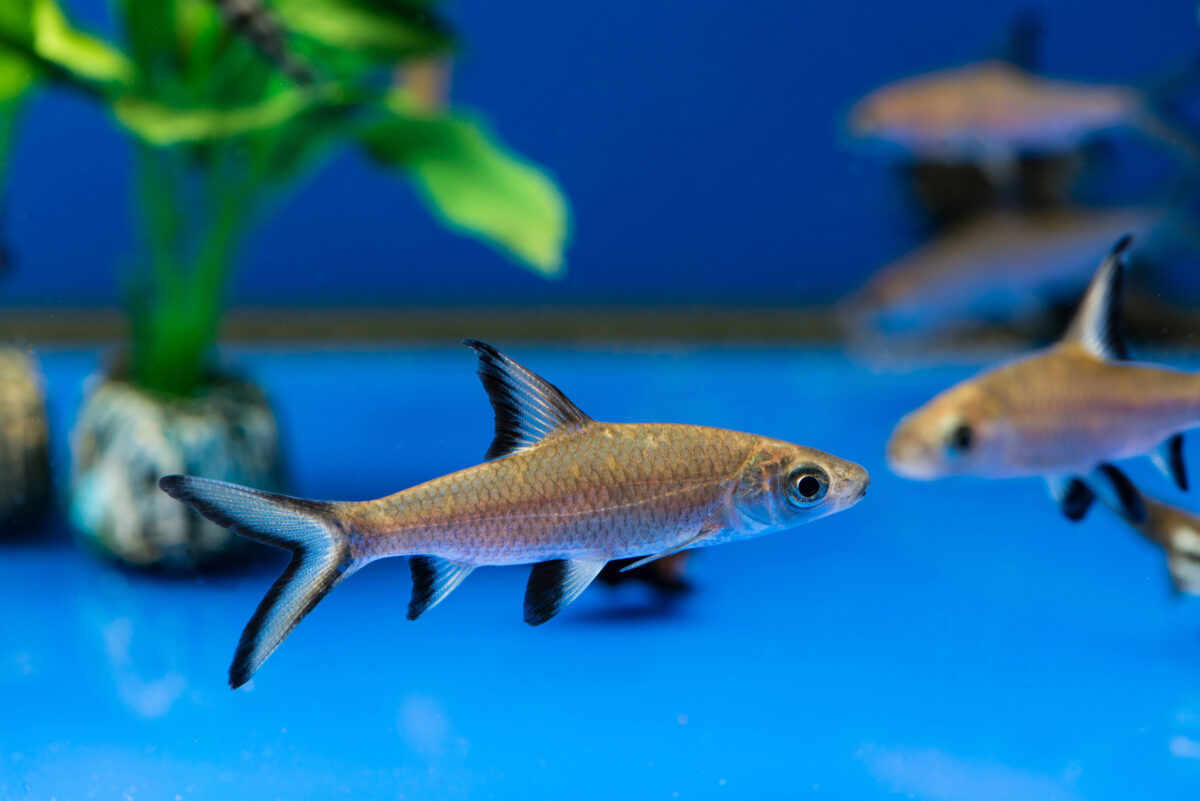
Photo by smspsy on Deposit Photos
Already Have Bala Sharks? Plan around their adult size, active swimming habits, and need for a group rather than their current size. They require a very large, covered aquarium with plenty of open swimming room. If that is not realistic, begin looking for an experienced keeper who can house them properly. Our Bala Shark tank mate guide explains their long-term space and compatibility needs.
Choosing Freshwater Aquarium Fish? If you’re still deciding what to stock your tank with, our guide to the best freshwater aquarium fish covers beginner-friendly options, compatibility tips, and common mistakes to avoid before you buy.
4. Oscars
Cute Fish That Are Not for Beginners
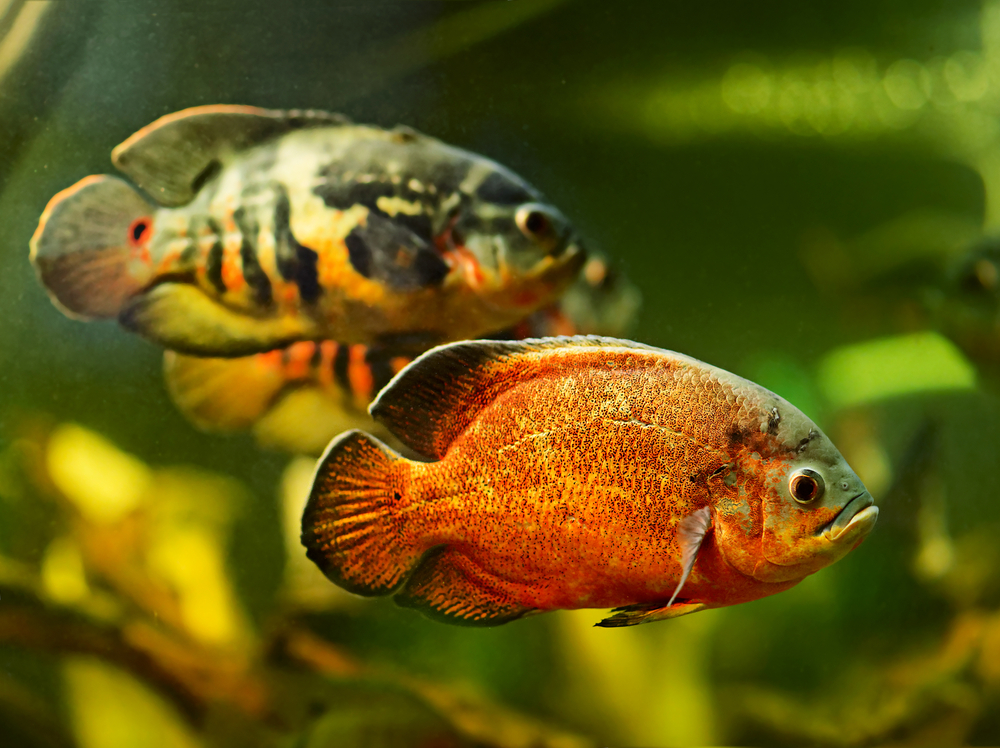
Oscars are intelligent, interactive, and almost puppy-like, which makes beginners fall in love quickly. Unfortunately, they also grow large, may eat smaller fish, and produce a lot of waste.
Beginners often underestimate the tank size, filtration, and commitment Oscars require, turning what looked like a fun pet into an exhausting responsibility.
- Why beginners buy them: Oscars are intelligent, interactive, and develop recognizable personalities.
- What changes later: They grow rapidly, may eat smaller fish, and produce substantial amounts of waste.
- Biggest challenge: One adult generally needs at least 75 gallons, powerful filtration, and frequent maintenance.
Already Have an Oscar? Prioritize a large aquarium, powerful filtration, regular water changes, and securely positioned décor. Do not add smaller fish or a “cleaner fish” in hopes of controlling waste or keeping the Oscar company. Review our Oscar tank mate guide before attempting a shared setup.
5. Guppies
“Easy Fish” That Creates Beginner Chaos
Guppies are a popular choice for beginner fishkeepers because of their bright colors, but they come with problems no one explains. Mixed-sex groups breed constantly, quickly overpopulate tanks, and increase the amount of waste the aquarium must handle.
Beginners frequently experience sudden deaths, overcrowding, and disease outbreaks, all from fish that were supposed to be simple. Guppies also tend to do best in moderately hard, alkaline water and may struggle when kept in unsuitable or unstable conditions.
Guppies are often mass-produced and may arrive stressed or carrying diseases or parasites. Some heavily bred strains can also be less robust and more prone to health problems than beginners expect.
It is important to buy Guppies from a reliable source and quarantine new arrivals when possible before introducing them to your aquarium. A male-only group prevents surprise fry, although males may still chase one another and need enough space and cover.
- Why beginners buy them: They are inexpensive, colorful, widely available, and routinely labeled beginner-friendly.
- What changes later: Mixed-sex groups reproduce rapidly, while some retail Guppies arrive stressed or unhealthy.
- Biggest challenge: Preventing overcrowding and maintaining the moderately hard, alkaline water they generally prefer.

Already Have Guppies? Separate males and females if you cannot accommodate more fry, test whether your water suits livebearers, and avoid adding more fish while investigating unexplained deaths. A male-only group prevents surprise fry, although males may still chase one another and need adequate space and cover. If you’re interested in Guppies despite their challenges, our guide to 55 types of Guppies shows the different varieties, colors, and patterns, and helps you understand what you’re really signing up for before buying.
6. African Lungfish
The Fish That Turns Tanks Into Nightmares
African lungfish look fascinating and prehistoric, but they are completely unsuitable for beginners. They grow very large, live for decades, and are aggressive predators.
These fish require massive tanks and long-term planning that most beginners never intended to commit to.
- Why beginners buy them: Their prehistoric appearance and unusual ability to breathe air make them fascinating.
- What changes later: They grow large, live for decades, and may attack or eat other aquarium inhabitants.
- Biggest challenge: They generally need a spacious aquarium of their own with a tightly secured lid.
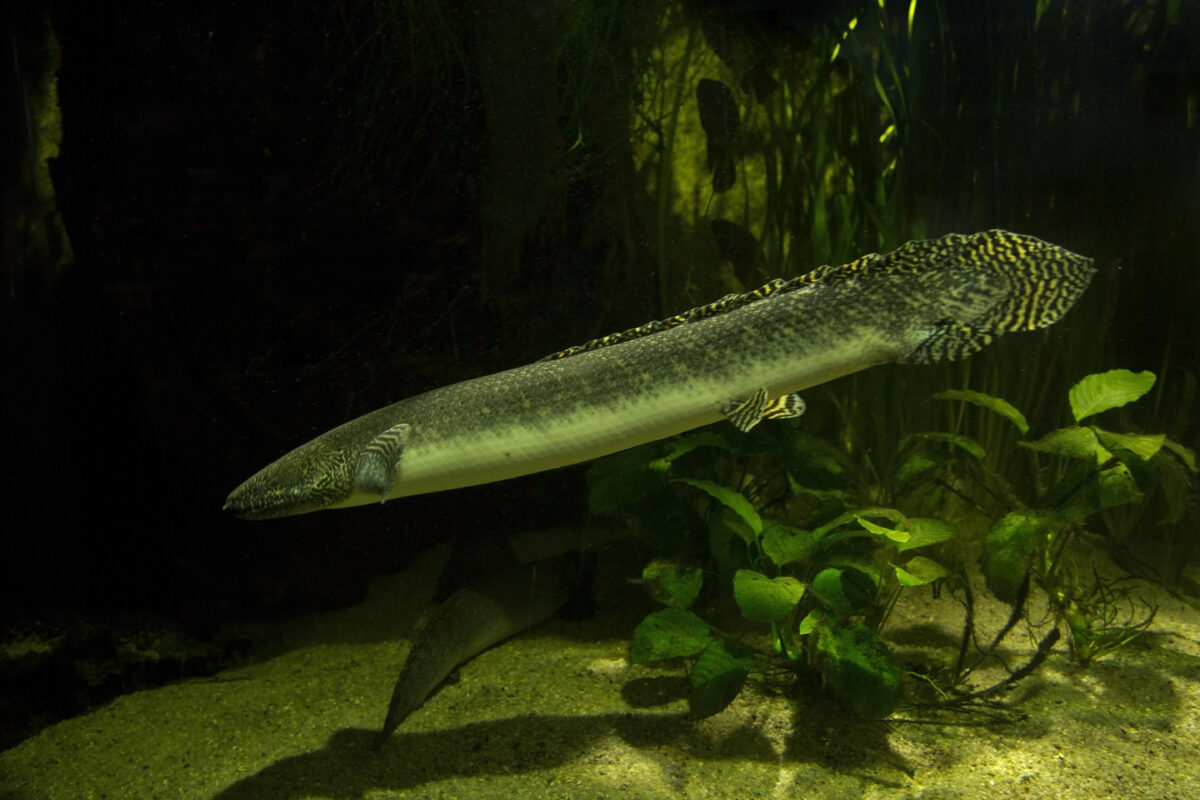
Photo by white_night on Deposit Photos
Already Have an African Lungfish? Confirm the exact species because adult size varies, provide a spacious aquarium with a tightly secured lid, and plan to house it alone. If its long-term care becomes unmanageable, find an experienced keeper or specialty rescue. Never release an aquarium fish into the wild.
7. Large Plecos
Sold as Cleaners, Grow Into Monsters
Common and Sailfin Plecos are often sold as algae cleaners, but they can grow well over a foot long and produce large amounts of waste. They’re poop machines!
Beginners expect them to help maintain the tank. Instead, Plecos often make water quality problems worse and outgrow the aquarium entirely.
- Why beginners buy them: They are marketed as algae eaters that will help clean the aquarium.
- What changes later: Common and Sailfin Plecos can grow well over a foot long and produce large amounts of waste.
- Biggest challenge: Identifying the species and providing enough space, filtration, and food for its adult size.
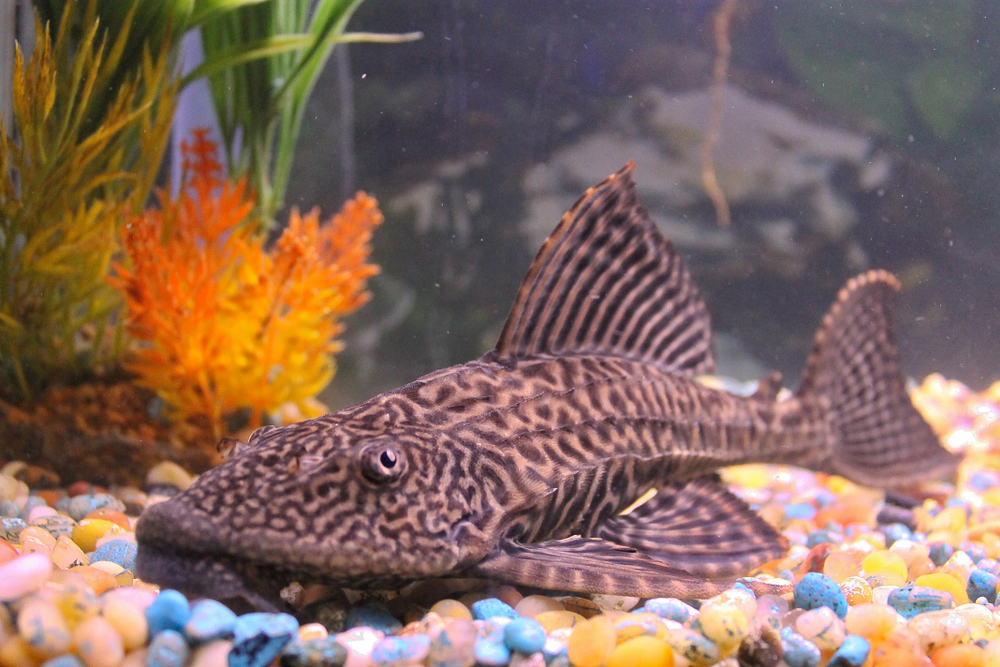
Already Have a Large Pleco? Identify the species before planning an upgrade because Common, Sailfin, and smaller Plecos have very different adult sizes. Provide strong filtration, appropriate cover, and a proper diet rather than expecting the fish to survive on tank algae. Our guide to feeding Plecos explains what these fish actually need.
Dealing With Algae in Your Tank? If algae is already becoming an issue, our guide to the different types of aquarium algae helps you identify what you’re seeing and explains simple ways to control it before it takes over.
8. Flowerhorn Cichlid
The Aggressive Fish That Looks Too Cool to Resist
Flowerhorns are striking and full of personality, which makes them irresistible to beginners. Unfortunately, they are highly territorial and usually cannot live with other fish.
Beginners struggle because Flowerhorns demand space, experience, and tolerance for mistakes that new fishkeepers simply don’t have yet.
- Why beginners buy them: Their vivid colors, prominent head growth, and bold personalities are hard to resist.
- What changes later: They become large, intensely territorial, and dangerous to many potential tank mates.
- Biggest challenge: An adult usually needs a large aquarium of its own with strong filtration and sturdy décor.
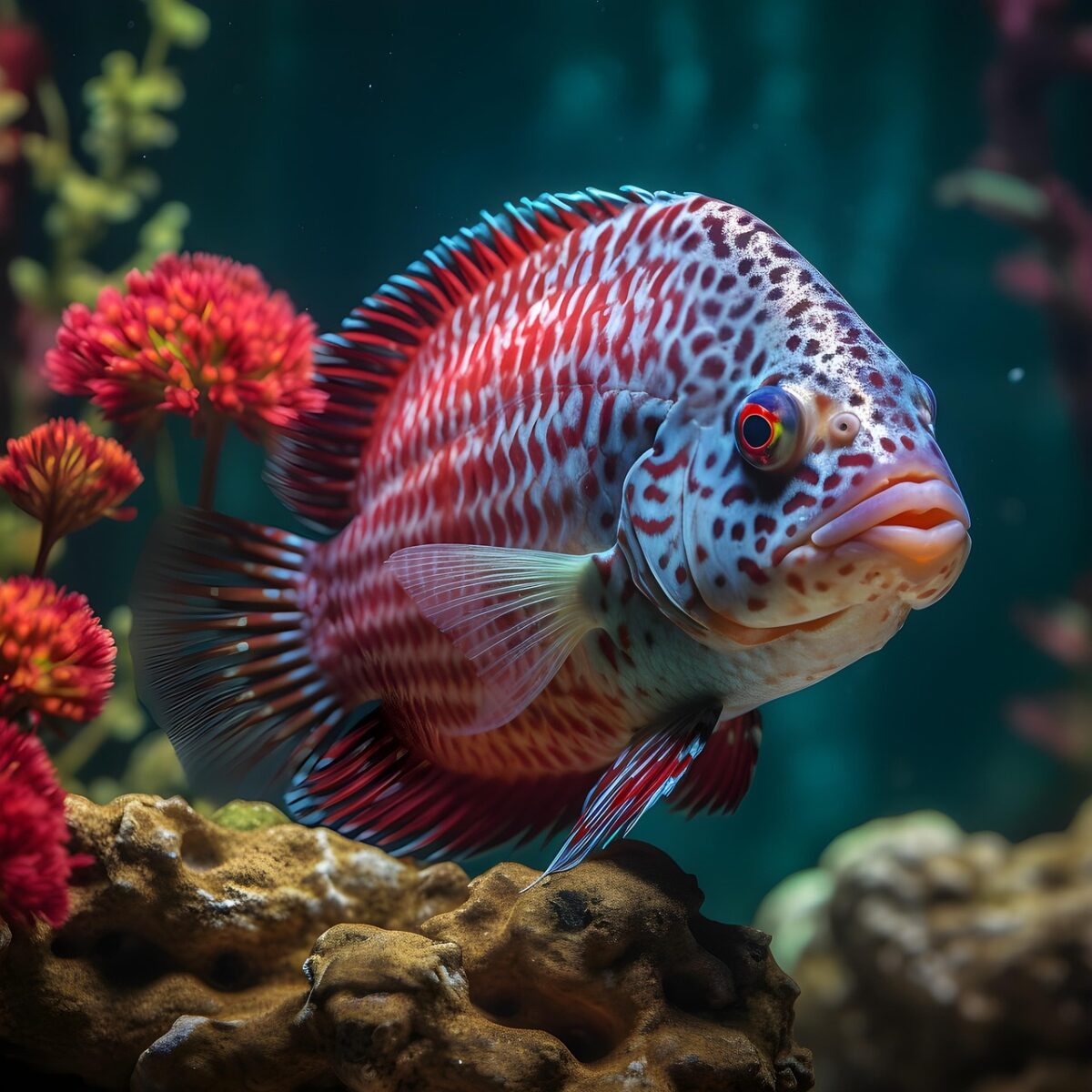
Photo by geraldrose on Pixabay
Already Have a Flowerhorn? A Flowerhorn is usually safest in a spacious aquarium of its own with strong filtration and sturdy décor. Use caution during maintenance because some individuals also behave aggressively toward hands. If you are considering companions, read our Flowerhorn tank mate guide before taking the risk.
9. Blood Parrot Cichlid
Cute Fish With Big Problems
Blood Parrot Cichlids look friendly and cartoonish, but they grow much larger than many beginners expect and may become territorial. Their unusual mouth shape can also make it difficult for them to compete with faster fish at feeding time.
Beginners are rarely prepared for their behavior or special needs, making them another fish purchased for looks rather than suitability.
- Why beginners buy them: Their bright colors and rounded, almost cartoonish faces make them appear friendly.
- What changes later: They can grow large, become territorial, and struggle to compete for food.
- Biggest challenge: Their unusual mouth shape can complicate feeding, especially around faster or more aggressive fish.
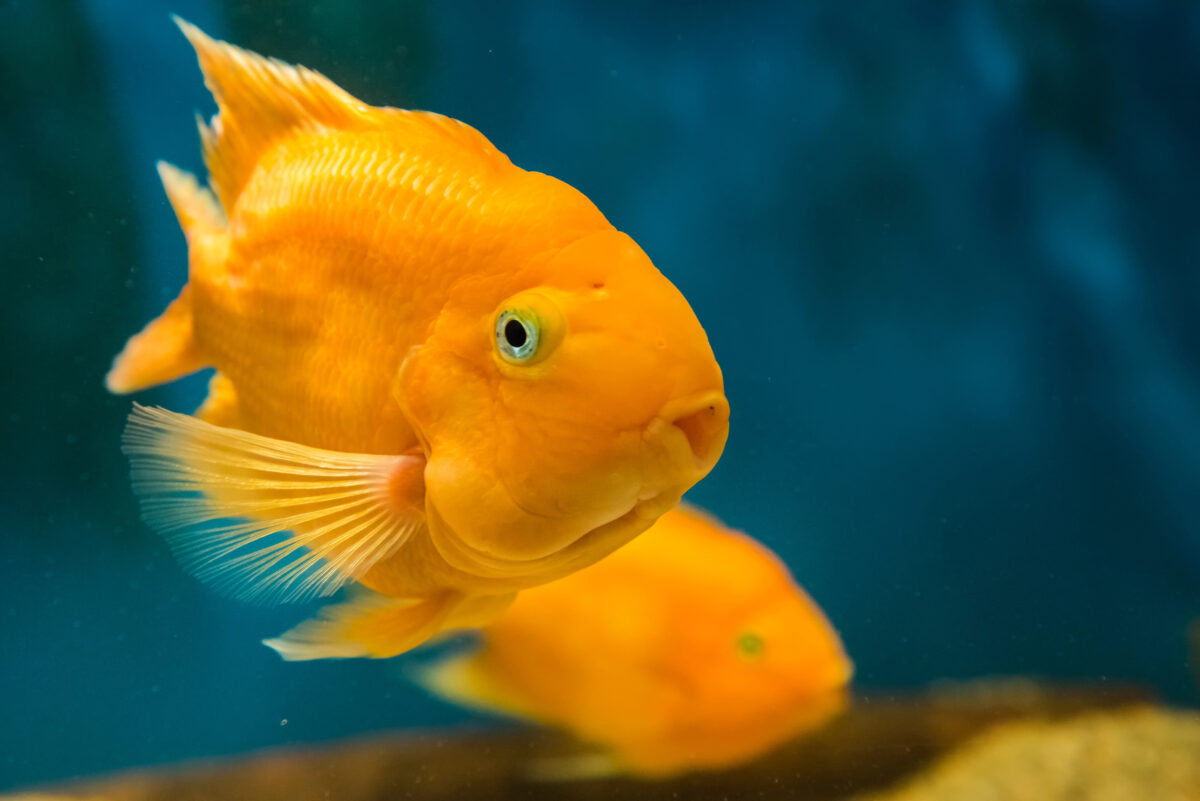
Photo by antos777 on Deposit Photos
Already Have a Blood Parrot Cichlid? Provide plenty of swimming room, select tank mates carefully, and make sure the fish can eat without being outcompeted. Its unusual mouth shape may make collecting food more difficult, especially around faster fish. Our Blood Parrot Cichlid tank mate guide can help you assess compatibility.
10. Discus Fish
Beautiful Fish That Break Beginners
Discus fish are stunning, but they need warm, clean, exceptionally stable water. Sudden changes in temperature or water chemistry, poor water quality, and an unsuitable social setup can quickly cause stress or illness.
Many new fishkeepers buy Discus too early, thinking they’ll learn as they go. These tropical fish don’t allow that luxury.
- Why beginners buy them: Their dramatic shape, patterns, and colors make them showpieces in aquarium stores.
- What changes later: They become stressed or ill when temperature, water quality, or tank conditions fluctuate.
- Biggest challenge: Maintaining warm, exceptionally stable water for a properly sized social group.
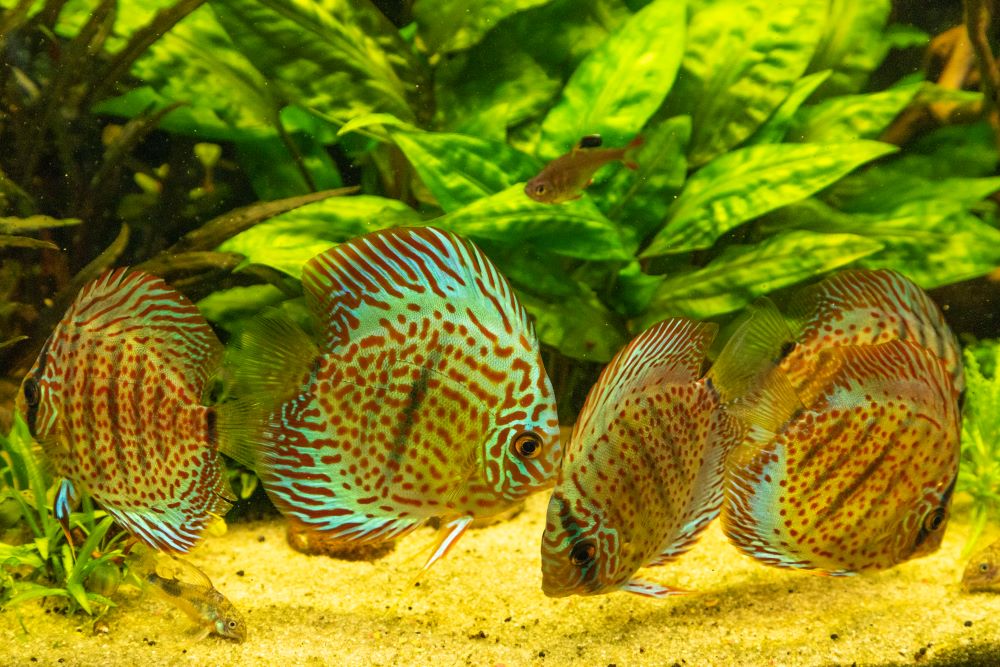
Already Have Discus? Keep the temperature and water chemistry stable, test the water regularly, and maintain excellent filtration. Research their social needs before adding or removing fish, and avoid repeatedly adjusting the pH with chemicals. Our guide to Discus tank mates covers species that can tolerate the same warm conditions. Make sure the heater is properly matched to the aquarium using our heater wattage calculator.
11. Goldfish
The Biggest Beginner Lie of All
Goldfish are treated like starter pets, but they are anything but easy. They produce substantial waste and can live for many years. Fancy Goldfish need far more room than a bowl provides, while Common and Comet Goldfish grow larger and are usually better suited to very large aquariums or properly maintained ponds.
Bowls and small tanks set beginners up for failure, making Goldfish one of the most misunderstood and worst fish for beginners.
- Why beginners buy them: They are inexpensive, familiar, and still commonly marketed as bowl-friendly starter pets.
- What changes later: They grow much larger than expected, live for years, and produce substantial waste.
- Biggest challenge: Fancy, Common, and Comet Goldfish have different space needs, but none belongs in a small bowl.
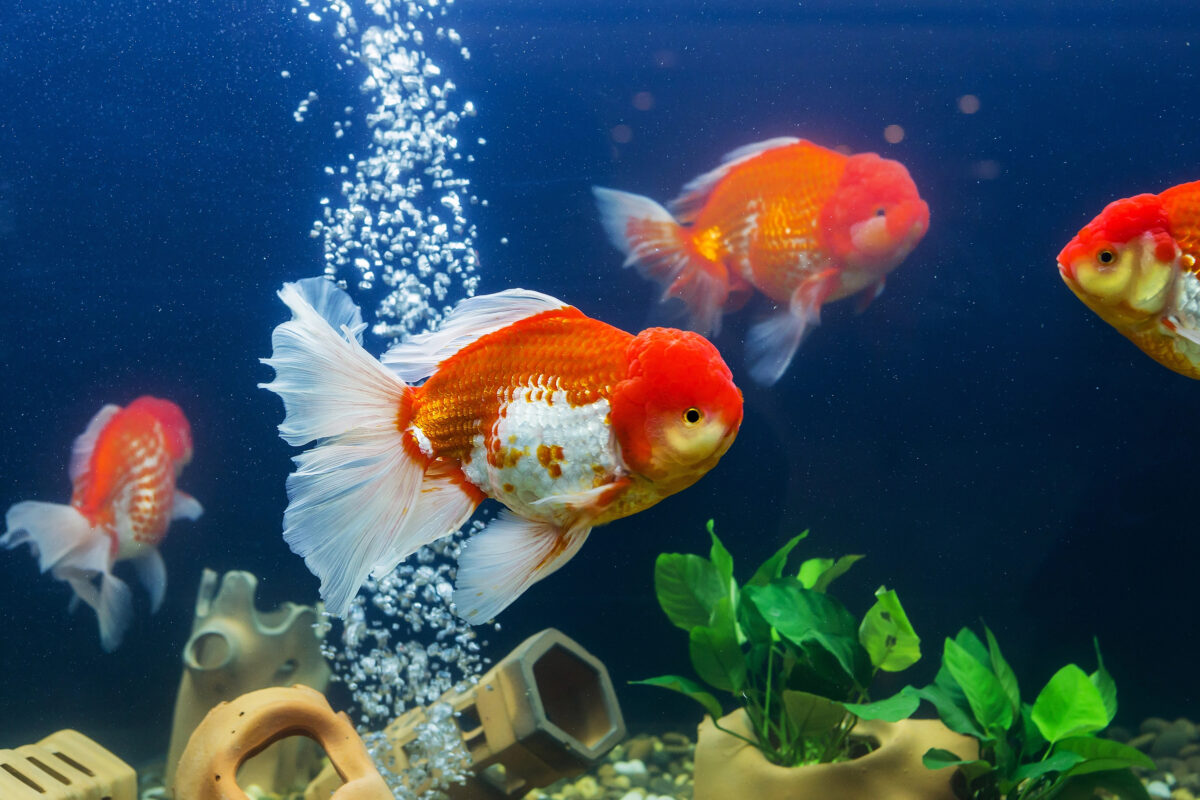
Photo by subinpumsom on Deposit Photos
That may sound surprising because Goldfish have been marketed as easy starter pets for generations.
If you want another quick explanation from an aquarium expert, Big Al breaks down exactly why Goldfish are terrible beginner fish in this short video. It’s eye-opening, even for experienced fishkeepers…
Already Have Goldfish? Determine whether you have Fancy, Common, or Comet Goldfish because their eventual size and space requirements differ. Upgrade from a bowl or undersized tank, use strong filtration, and test the water regularly. Our guide to Goldfish tank setup and the best Goldfish tank mates explains what they actually need to stay healthy and which fish should never be housed with them.
Up next: What to do if you already own one of these fish and how to move forward without panicking or making things worse.
What To Do If You Already Own One of These Fish
First, don’t panic or make several changes at once. Many people bring home unsuitable fish because the animal was sold young, its adult size was not explained, or the store provided incomplete advice.
Start here:
- Identify the exact species. Common names such as Pleco and Gourami can cover fish with very different adult sizes and temperaments.
- Test the water. Check ammonia, nitrite, nitrate, pH, and temperature before assuming behavior is the only problem.
- Check the equipment. Make sure the filter, heater, and air pump, if used, are operating properly. Avoid replacing all the filter media or deep-cleaning the entire aquarium because that can disrupt the beneficial bacteria responsible for biological filtration.
- Research the fish’s adult needs. Look at eventual size, suitable tank dimensions, social requirements, diet, waste production, and compatibility.
- Pause new additions. Do not add tank mates until you understand the problem and have a long-term stocking plan. More fish will increase waste and may intensify territorial behavior.
- Address immediate danger. Separate a fish that is being injured, cornered, or prevented from eating. A secure divider or properly heated and cycled spare tank may provide temporary protection.
- Decide whether an upgrade is realistic. Include the cost of the tank, stand, filter, heater, maintenance, and additional fish if the species needs an appropriate group.
- Rehome responsibly if necessary. Contact reputable aquarium stores, local aquarium clubs, rescues, or experienced hobbyists. Never release an aquarium fish into the wild or flush it.
Owning one of these species does not mean disaster is inevitable. It means you need a realistic plan based on the fish’s adult requirements, not the size and behavior you see today.
If testing reveals ammonia or nitrite in an occupied aquarium, take prompt action and follow our guide to managing a fish-in cycle while you work on the long-term plan.
Up next: Why beginner tanks can still fail even when you feel like you’re doing everything right.
Why Beginner Tanks Fail Even When You Do Everything “Right”
This is one of the most frustrating parts of fishkeeping for beginners. You follow the advice, feed carefully, clean the tank, and things still go wrong.
The reason is simple: many bad fish for beginners don’t fail because of poor care. They fail because their needs outgrow beginner setups. As fish mature, their behavior, size, and stress levels change in ways new owners aren’t prepared for yet.
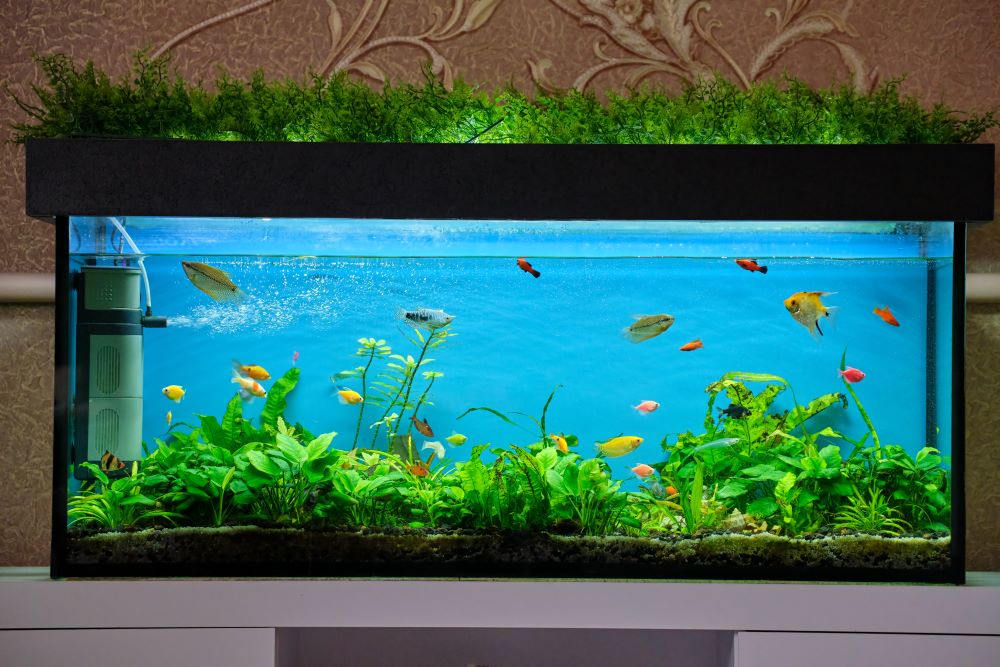
That’s why so many people feel they failed at fishkeeping, when in reality, the fish choice set them up for problems from the start.
Up next: The early warning signs that tell you a fish is about to become a problem.
Warning Signs a Fish Is About to Become a Problem
Most beginner fish disasters do not come out of nowhere. Some warning signs point to aggression or overcrowding, while others suggest that the aquarium’s water quality is beginning to deteriorate.
Watch for:
- One fish constantly chasing, cornering, or injuring others
- A fish aggressively guarding part of the aquarium
- Tank mates hiding, clamping their fins, or struggling to reach food
- A fish rapidly outgrowing its available swimming space
- Ammonia or nitrite appearing in water tests
- Nitrate rising faster between water changes
- Uneaten food or visible waste accumulating more quickly
- Rapid breathing, gasping at the surface, or loss of appetite
Persistent aggression, ammonia, nitrite, or breathing difficulties require prompt attention. Test the water first, check that the filter is working properly, and separate injured or severely stressed fish when necessary. Catching these signs early gives you time to correct the setup before one problem affects the entire aquarium.
Up next: Better fish for beginners if you want an easier, stress-free start.
6 Better Fish for Beginners
If You Want an Easy Win
If you’re new to fishkeeping, you don’t need rare or flashy fish to succeed. Look for species that remain manageable, behave relatively predictably, and suit the water conditions and aquarium you can provide.
Once the tank is properly cycled, these fish can be more forgiving choices for first-time fishkeepers:
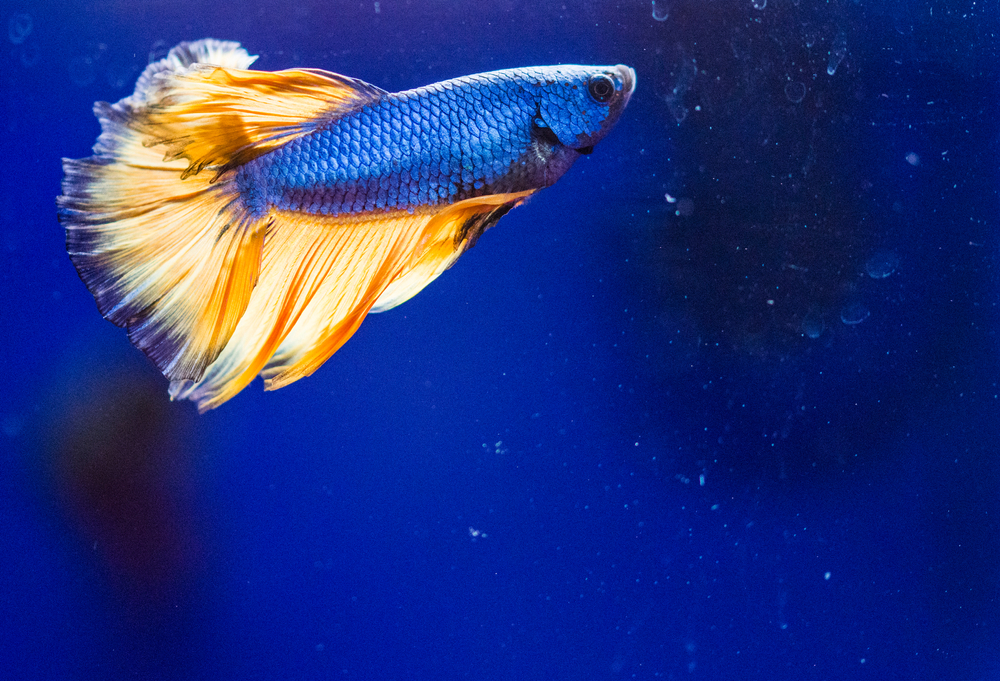
- Betta fish: A manageable single-fish option when kept in a properly cycled, heated, and filtered tank rather than a bowl.
- Corydoras catfish: Peaceful bottom dwellers that should be kept in a suitable group, typically six or more of the same species.
- White Cloud Mountain Minnows: Hardy schooling fish that do well in cooler aquariums with enough swimming space. They are not ideal companions for fish that require warmer tropical temperatures.
- Platies: Colorful, adaptable livebearers, although mixed-sex groups can produce large numbers of fry.
- Zebra Danios: Hardy, active fish that need a group of at least six and plenty of horizontal swimming space.
- Harlequin Rasboras: Peaceful community fish that should be kept in an appropriately sized school.
Even beginner-friendly fish need suitable group sizes, stable water conditions, and enough room to behave normally. Choose a species whose adult size, activity level, water requirements, and social needs fit the aquarium you can maintain long-term.
The best first fish is not simply the prettiest one at the store. Choose a species whose adult size, behavior, water requirements, and social needs fit the aquarium you can maintain long-term.
Looking for Fish That Are Actually Beginner-Friendly? See our complete guide to the best fish for beginners before choosing your first species.
Frequently Asked Questions
Still unsure about a fish you’re thinking of buying? If you have a question that isn’t answered below, drop it in the comments. Because chances are someone else is wondering the same thing.
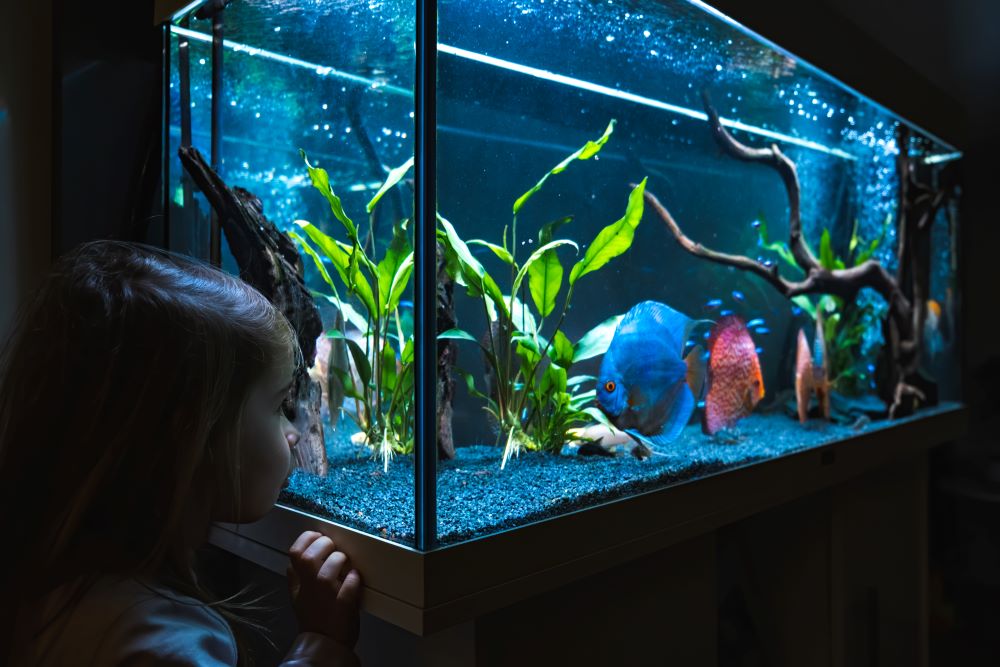
Are Goldfish Really Bad Fish for Beginners?
Yes. Goldfish grow much larger than most people expect, live for decades, and produce a lot of waste. Small tanks and bowls quickly become unhealthy, which is why Goldfish are one of the most misunderstood and worst fish for beginners.
Why Do Pet Stores Recommend Fish That Aren’t Beginner-Friendly?
Most fish are sold when they’re young, small, and calm. The problems show up later, after the fish grows or matures. Store labels often focus on short-term appearance, not long-term behavior or tank size needs.
Is It Better to Start With Fewer Fish?
Usually, but fewer fish should not mean keeping social species alone. Start with a lightly stocked aquarium and add fish gradually, while still providing the appropriate group size for schooling or shoaling species. In many cases, it is better to keep a proper group of one species than too few fish from several different species.
How Do I Know If a Fish Will Outgrow My Tank?
If a fish is sold very small but belongs to a species known for rapid growth, large adult size, or high activity levels, it will likely outgrow a beginner tank. Always check adult size, not just how the fish looks today.
What Size Tank Should a Beginner Start With?
A moderately sized aquarium is often easier for a beginner to manage than a very small tank because the larger volume of water is more chemically stable. However, no tank is maintenance-free, and the right size depends on the fish’s adult size, activity level, social needs, waste production, and filtration requirements.
If you are unsure how much water your aquarium actually holds, use our aquarium volume calculator before planning your stocking or equipment.
What’s the Biggest Beginner Fishkeeping Mistake?
Buying fish based on looks or store labels instead of adult size and behavior. Most beginner tank problems start at the store, not at home.
Ready to Set Up a Tank That Actually Succeeds?
If you want to avoid the worst fish for beginners and give your aquarium a better start, the setup matters just as much as the species you choose. Our guide to the best gravel vacuums explains how to remove waste during routine maintenance, while our aquarium air pump guide covers how added surface movement can improve gas exchange and circulation.
If you are unsure how much cleaning the aquarium actually needs, our guide to fish tank maintenance explains how to build a schedule around stocking levels and water-test results.
Before bringing home any fish, follow our step-by-step guide to cycling an aquarium. A reliable aquarium test kit will help you monitor water quality, while these easy hacks for crystal-clear water can make ongoing maintenance more manageable.
Have You Made One of These Beginner Fish Mistakes? Share your experience in the comments and tell us about the fish that caused the most trouble, and what you would warn new fishkeepers about now.



Excellent advice. Thank you
I used to buy different kinds of fish but, either froze them or baked them in the tank. Finally decided on feeder fish. Have had many and with great luck. My last feeder fish, Oscar, live to be five years old and five inches long. Buried him with my 15 1/2 yr. old Golden and, 10 year old parakeet, Simon. I now have Elvis and Presley, going on five years old.