When you purchase through links on our site, we may earn a commission. Here’s how it works.
Guppies are often marketed as the perfect beginner fish: peaceful, colorful, and easy to keep. But here’s the truth most aquarium guides won’t tell you:
Guppies don’t die because they’re fragile. They die because they’re housed with the wrong tank mates.
Table of Contents
From oversized “community fish” that quietly stress them to death, to seemingly harmless companions that outcompete them at feeding time, compatibility mistakes are one of the leading causes of unexplained guppy losses, even in well-maintained tanks.
If you’re new to fishkeeping, this guide will help you sidestep the most common and expensive guppy mistakes before they cost you fish.
If you’re more experienced, you’ll find what most compatibility lists leave out: behavioral warning signs, hidden stress triggers, and stocking thresholds that determine whether a community tank merely functions or truly thrives.
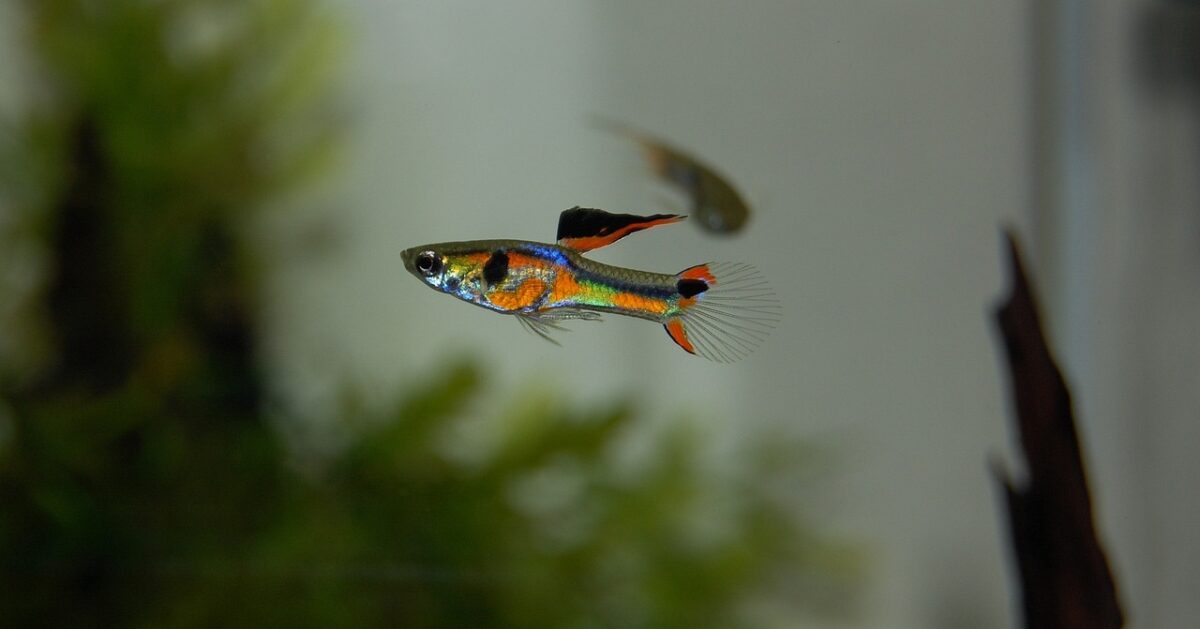
This isn’t a list of fish that look good with guppies. It’s a behavior-first, environment-aware compatibility guide grounded in how aquariums actually operate over time.
From initial setup to long-term optimization, this guide shows you how to build a stable environment where guppies and their tank mates can actually thrive side-by-side, rather than just surviving
Guppy Tank Mates: 6 Things You Need to Know First
Before choosing any tank mate for guppies, you need to understand one core truth:
- Guppy compatibility is not about whether two species are “peaceful.”
- It’s about whether they create long-term stress for each other.
Many fish can survive together for weeks or months. Far fewer can thrive together for years.
The factors below are non-negotiable, whether you’re setting up your first community tank or fine-tuning a well-established system.
1. Guppy Temperament & Social Behavior
Beginner Tip: Don’t confuse “peaceful” with “passive.”
Advanced Insight: Most guppy stress is chronic, not aggressive.
Guppies are peaceful, social fish that rely on constant movement and visibility to feel secure. They are not territorial, but they are highly sensitive to subtle, ongoing pressure in their environment. Unlike more assertive species, guppies rarely “fight back” when stressed—they withdraw, lose weight, and become prone to illness.
- Persistent chasing
- Visual intimidation
- Disruption during feeding
Male guppies, in particular, spend much of their time displaying and courting. This natural behavior makes them especially vulnerable to tank mates that are overly fast, dominant, or curious about flowing fins. Even without direct attacks, repeated interruptions during swimming or feeding can suppress normal behavior.
- Faster swimmers
- Dominant mid-water fish
- Fish are attracted to flowing fins
Key takeaway:
A tank mate doesn’t need to bite or attack guppies to cause harm: outcompeting or intimidating them is enough to create long-term stress.
2. Size Matters (More Than Aggression)
Beginner Tip: If it can fit a guppy in its mouth, it eventually will.
Advanced Insight: Predation pressure alters guppy behavior long before attacks occur.
Guppies evolved as prey fish, and they respond instinctively to size differences. When housed with larger fish, guppies often display stress behaviors long before any physical harm occurs, including reduced activity, constant hovering near cover, and reluctance to feed.
Even fish labeled as “peaceful community fish” can:
- View guppies as prey once mature
- Accidentally injure them during feeding
- Create constant fear responses
Size mismatch doesn’t require aggression to be dangerous. The perception of threat alone can shorten lifespan and weaken immune response.
Rule of thumb:
Tank mates should be similar in size or smaller, with small mouths and low predatory drive.
3. Activity Level & Competition
Beginner Tip: Fast fish don’t slow down for guppies.
Advanced Insight: Feeding-time competition is a leading cause of guppy decline.
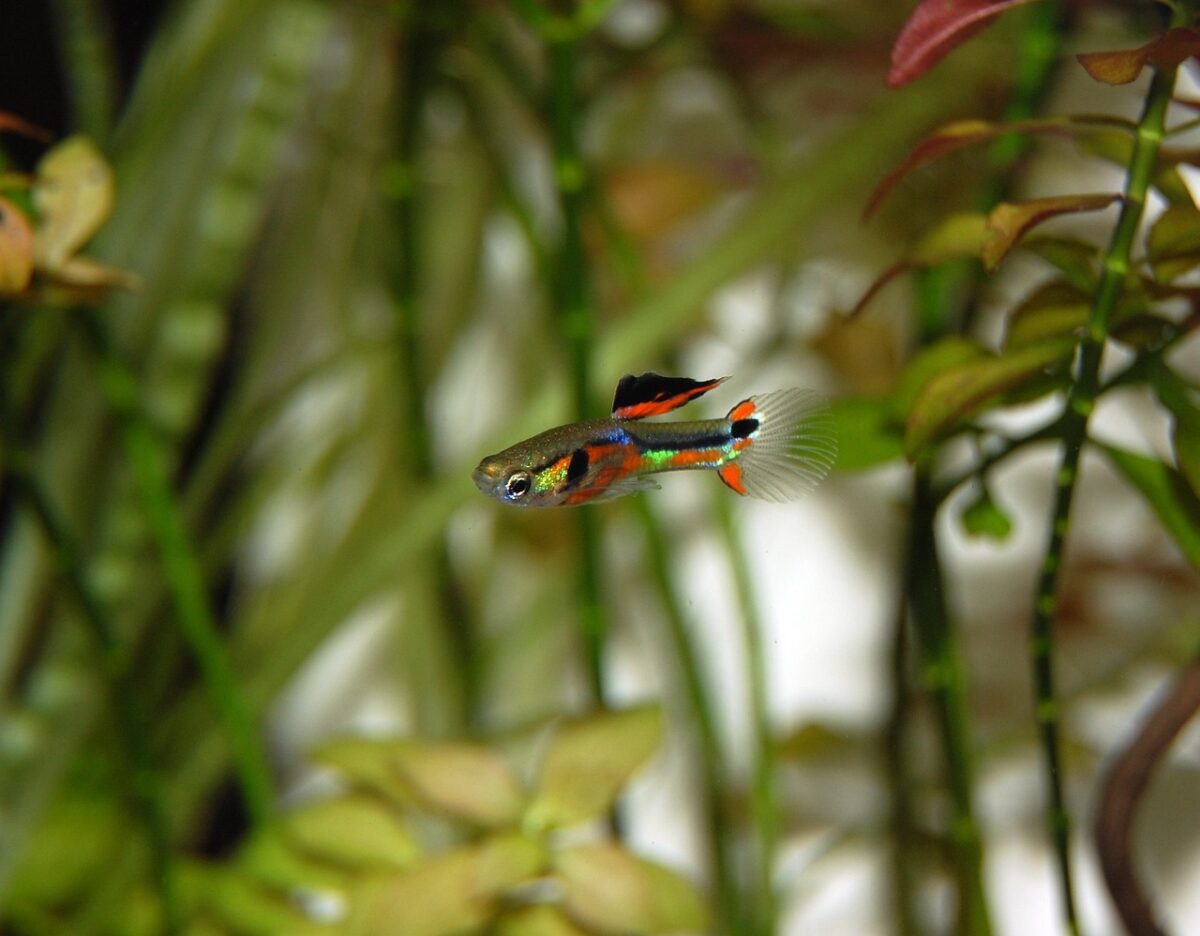
Guppies are active, curious fish, but they are not aggressive competitors. In mixed-species tanks, they are often the first to be pushed aside during feeding, especially by faster or more assertive species.
Highly energetic tank mates can:
- Outcompete them for food
- Force them into hiding
- Cause weight loss despite “regular feeding”
This creates a common scenario where owners believe they are feeding adequately, yet guppies slowly waste away due to unequal food access.
Watch for warning signs:
- Guppies hanging near the surface after feeding
- Hollow bellies
- Increased hiding or clamped fins
Compatibility isn’t just about behavior; it’s about pace. Fish that move, feed, or react much faster than guppies often create an imbalance.
4. Grouping, Sex Ratios & Social Balance
Beginner Tip: One guppy is a stressed guppy.
Advanced Insight: Sex ratios dictate tank harmony.
Guppies are inherently social and rely on group presence to feel secure. Solitary guppies often become skittish, inactive, and more prone to illness.
Additionally, sex ratios have a direct impact on tank stability:
- Too many males = constant harassment
- Too few females = exhaustion and stress
- Mixing livebearers increases fry production rapidly
Unbalanced social structures often lead to chronic stress rather than visible aggression, making problems easy to overlook until losses occur.
General guideline:
Balanced groups and thoughtful stocking prevent more issues than filtration upgrades ever will.
5. Water Parameters That Actually Matter
Beginner Tip: Stability beats perfection.
Advanced Insight: Chronic parameter mismatch shortens lifespan.
Guppies are adaptable, but adaptability is often misunderstood. They can survive a range of conditions, but they thrive only within a narrower, stable window. Long-term exposure to suboptimal conditions weakens the immune system and increases disease susceptibility.
- Temperature: Thrive best in warm, stable water
- pH: Prefer neutral to slightly alkaline conditions
- Hardness: Do best in moderately hard water
Problems arise when tank mates:
- Prefer cooler temperatures
- Require acidic water
- Thrive in soft water long-term
Important:
Fish that “tolerate” guppy parameters may still experience stress, and stressed tank mates create stressed guppies through increased competition and instability.
6. Tank Size, Layout & Visual Barriers
Beginner Tip: Bigger tanks forgive mistakes.
Advanced Insight: Line-of-sight breaks reduce aggression more than volume alone.
Tank size affects more than just swimming room: it determines how fish interact. Even compatible species can clash in tanks that lack structure or escape routes.
A successful guppy community tank includes:
- Dense plants or décor for visual breaks
- Open swimming areas for guppies
- Bottom cover for shy or nocturnal species
Without visual barriers, guppies are constantly visible, which increases stress when housed with more dominant or inquisitive fish. Strategic layout allows fish to coexist without constant interaction.
Overcrowding, bare tanks, or poor layout can turn compatible fish into incompatible ones.
Check out my top recommended aquarium add-ons to replicate your pets’ natural habitat and keep them happy:
| Aquarium Decor | Fish Cave | Filters |
|---|---|---|
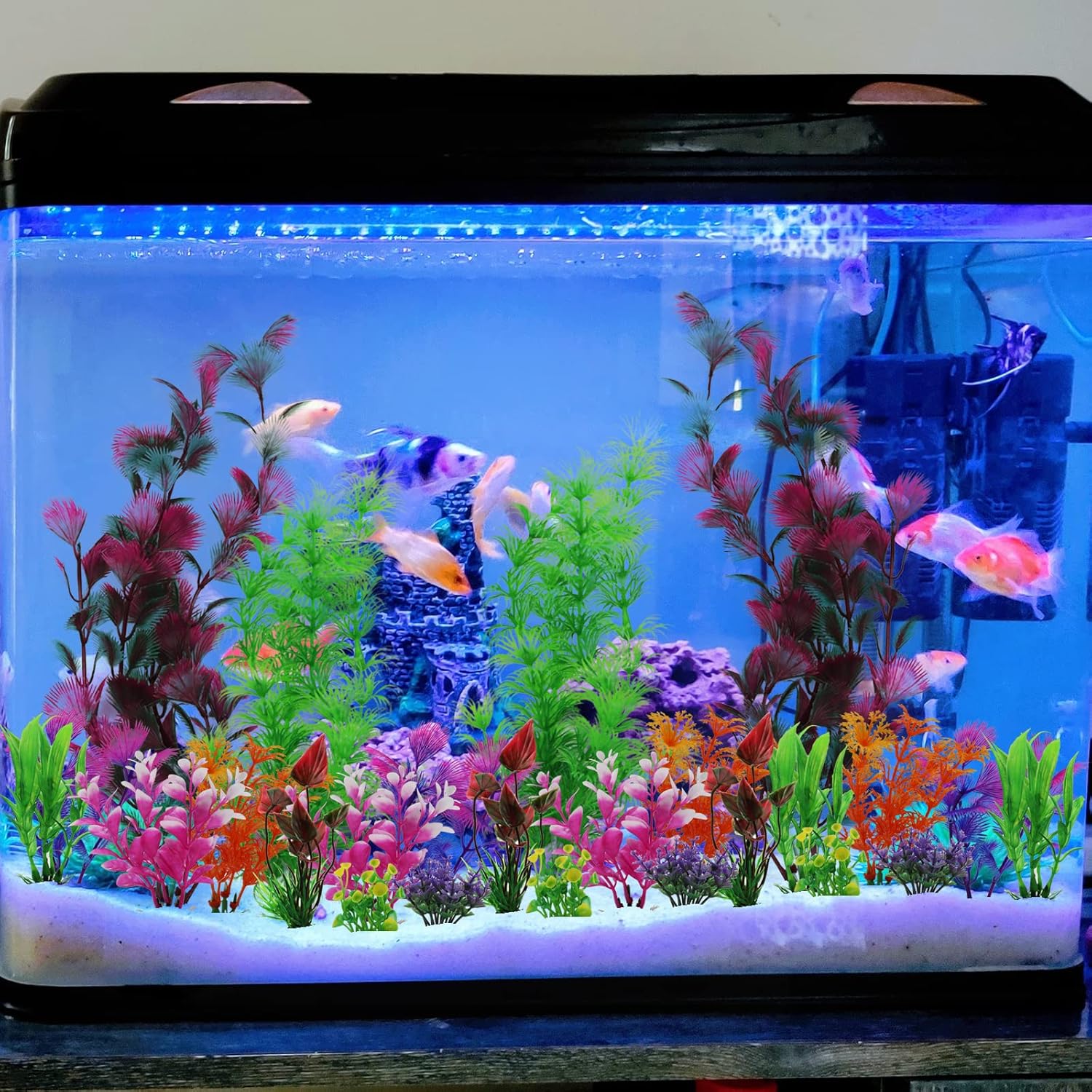 | 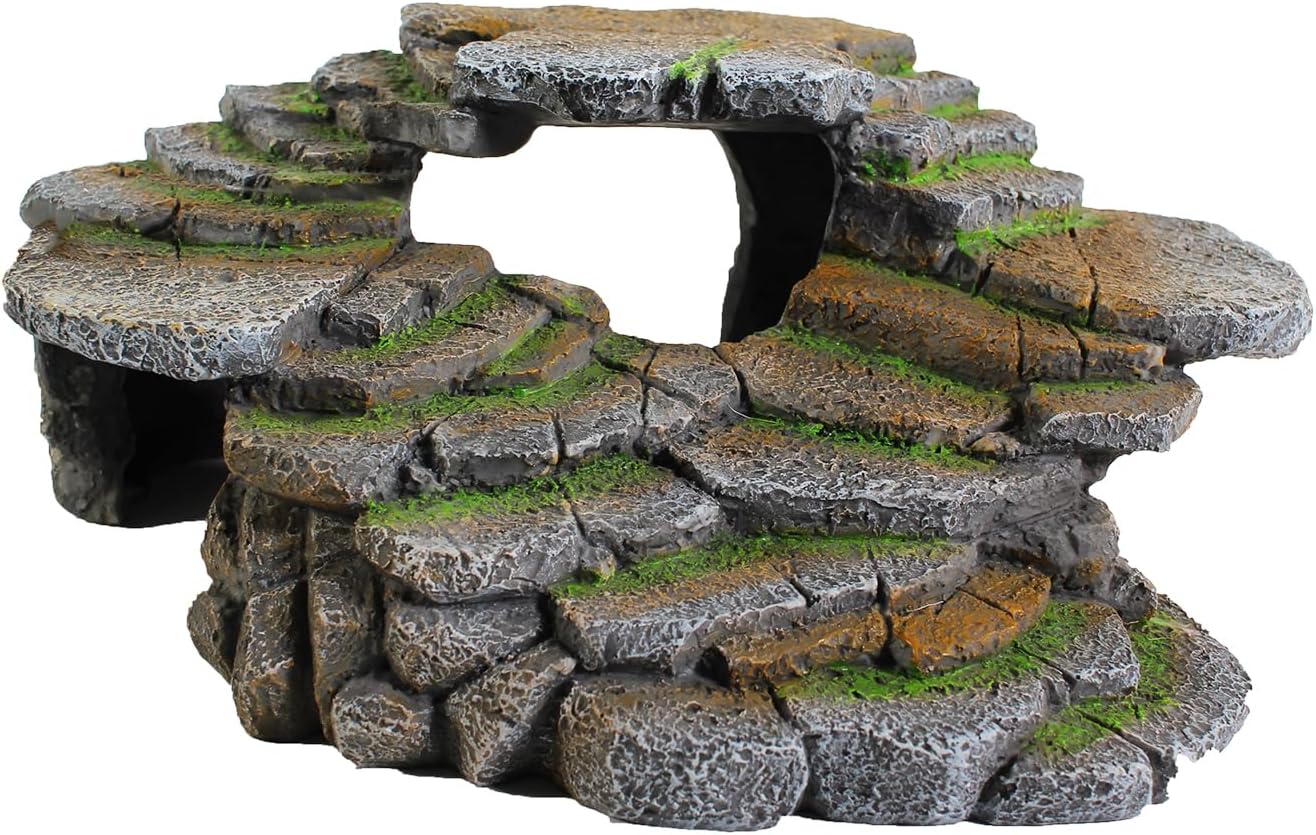 | 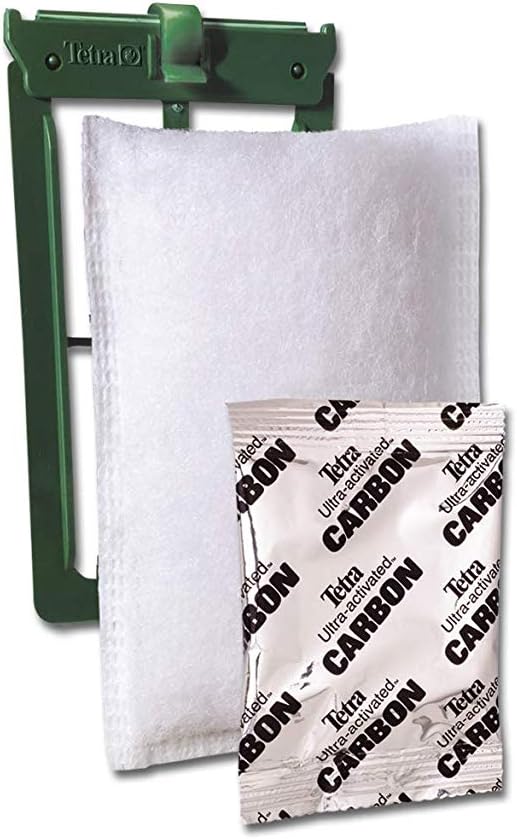 |
| PietyPet 25 Pack Aquarium Plants | PENN-PLAX Reptology | Tetra Whisper Bio-Bag Filter Cartridges |
| View on Amazon | View on Amazon | View on Amazon |
Before You Choose Tank Mates, Watch This
This short video breaks down the most frequent guppy mistakes fishkeepers make, what they look like in real tanks, and how to avoid them before they cause stress or losses.
Best Guppy Tank Mates (Ranked Safest to Riskiest)
Here are some fish that will prove to be amazing tank mates for your guppies, ranked in order, putting the best and most recommended first.
You might also want to read:
Beginner-Safe Guppy Tank Mates (Lowest Risk)
These tank mates are the most reliable choices for guppy aquariums, especially for beginners. When kept under proper conditions, they coexist peacefully with guppies and rarely introduce behavioral, feeding, or environmental stress.
Fish and invertebrates in this category are:
- Non-aggressive
- Similar in size or smaller than guppies
- Unlikely to outcompete guppies for food
- Compatible with typical guppy water parameters
While no community tank is entirely risk-free, these species have a long track record of success in guppy setups and are ideal for building a calm, stable aquarium from the ground up.
1. Nerite Snails
- Best for: Any guppy tank, beginners, algae control without risk.
- Avoid if: You want a snail species that reproduces in freshwater.
- Scientific name: Neritina natalensis
Nerite snails are among the safest and most reliable companions for guppies in freshwater aquariums. They are completely non-aggressive, have no interest in fish or fry, and spend nearly all of their time grazing on algae and biofilm along hard surfaces.
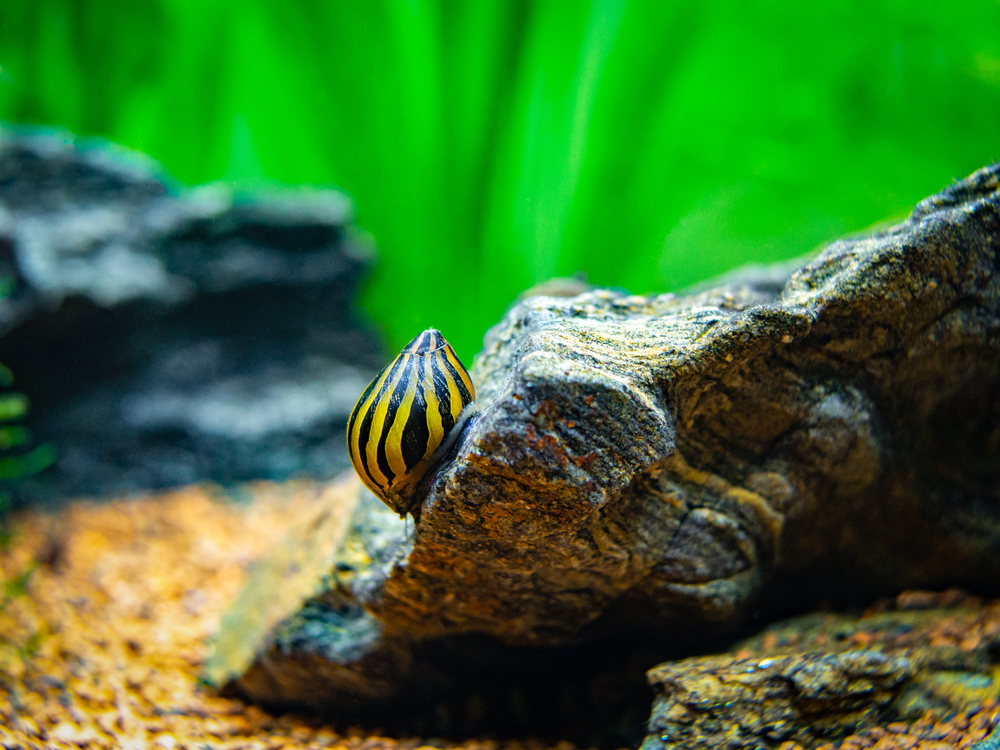
Because they occupy a completely different ecological niche than guppies, there is virtually no competition for food or space. Their presence can actually reduce stress in the tank by helping maintain cleaner surfaces and more stable conditions.
- Beginner Insight:
Nerite snails cannot reproduce in freshwater aquariums, which eliminates the risk of uncontrolled population growth. This makes them an ideal first invertebrate for new fishkeepers who want the benefits of algae control without added complexity. - Expert Insight:
In very clean or newly established tanks, natural algae may be insufficient. Supplement with algae wafers or blanched vegetables to prevent starvation, and maintain a stable pH to avoid shell erosion.
2. Corydoras Catfish
- Best for: Peaceful community tanks with sand or smooth gravel.
- Avoid if: You cannot keep them in groups of six or more.
- Scientific name: Corydoras paleatus (commonly) / Corydoras spp.
Corydoras catfish are one of the most consistently successful tank mates for guppies. As peaceful bottom dwellers, they rarely interact directly with guppies and help create a balanced, multi-level community tank.
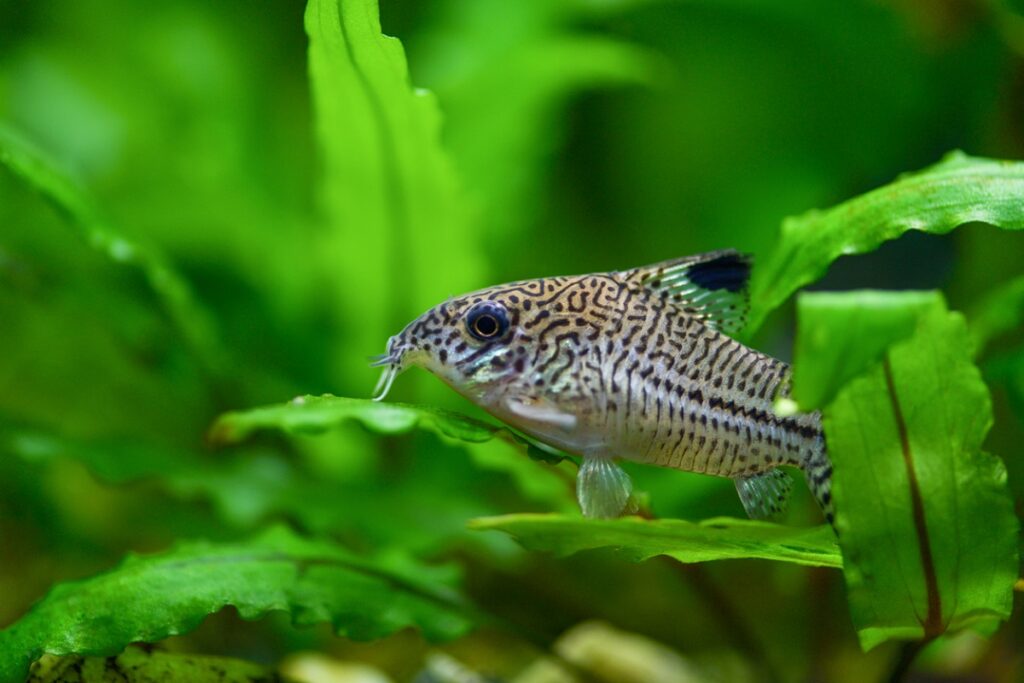
They are social, non-territorial fish that spend their time foraging along the substrate. Their calm behavior and small size make them highly compatible with guppies, even in moderately sized aquariums.
- Beginner Insight:
Corydoras must be kept in groups of six or more. When kept alone or in very small numbers, they become stressed, inactive, and more susceptible to disease. - Expert Insight:
A soft sand substrate or very smooth gravel is essential to prevent damage to their sensitive barbels. Single-species groups exhibit more natural behavior than mixed cory schools.
3. Bronze Corydoras
- Best for: Beginner community tanks needing a hardy bottom dweller.
- Avoid if: You plan to keep only one or two individuals.
- Scientific name: Corydoras aeneus
Bronze corydoras are a particularly hardy and adaptable member of the Corydoras family, making them a strong choice for both new and experienced aquarists. Their tolerance for minor parameter fluctuations allows them to coexist well with guppies in a wide range of community setups.
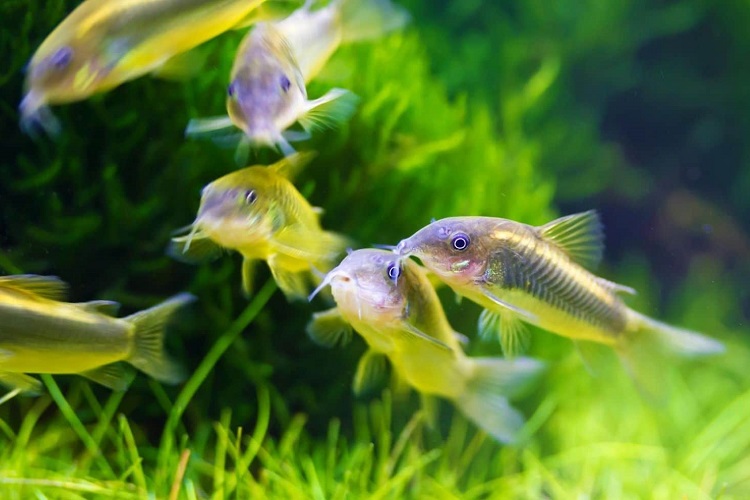
They share the same peaceful, bottom-dwelling habits as other corydoras and pose no threat to guppies at any life stage.
- Beginner Insight:
Despite their scavenging behavior, bronze corydoras still require targeted feeding. Sinking pellets or wafers are necessary to ensure they receive adequate nutrition. - Expert Insight:
Their broader temperature tolerance makes them especially useful in mixed-community tanks where absolute precision is difficult to maintain, without sacrificing long-term health.
4. Harlequin Rasbora
- Best for: Calm, planted community tanks with mid-water schooling fish.
- Avoid if: You cannot provide a proper group size.
- Scientific name: Trigonostigma heteromorpha
Harlequin rasboras are small, peaceful schooling fish that pair well with guppies due to their similar size and gentle temperament. They are steady swimmers and generally avoid aggressive feeding behavior, which reduces competition at mealtime.
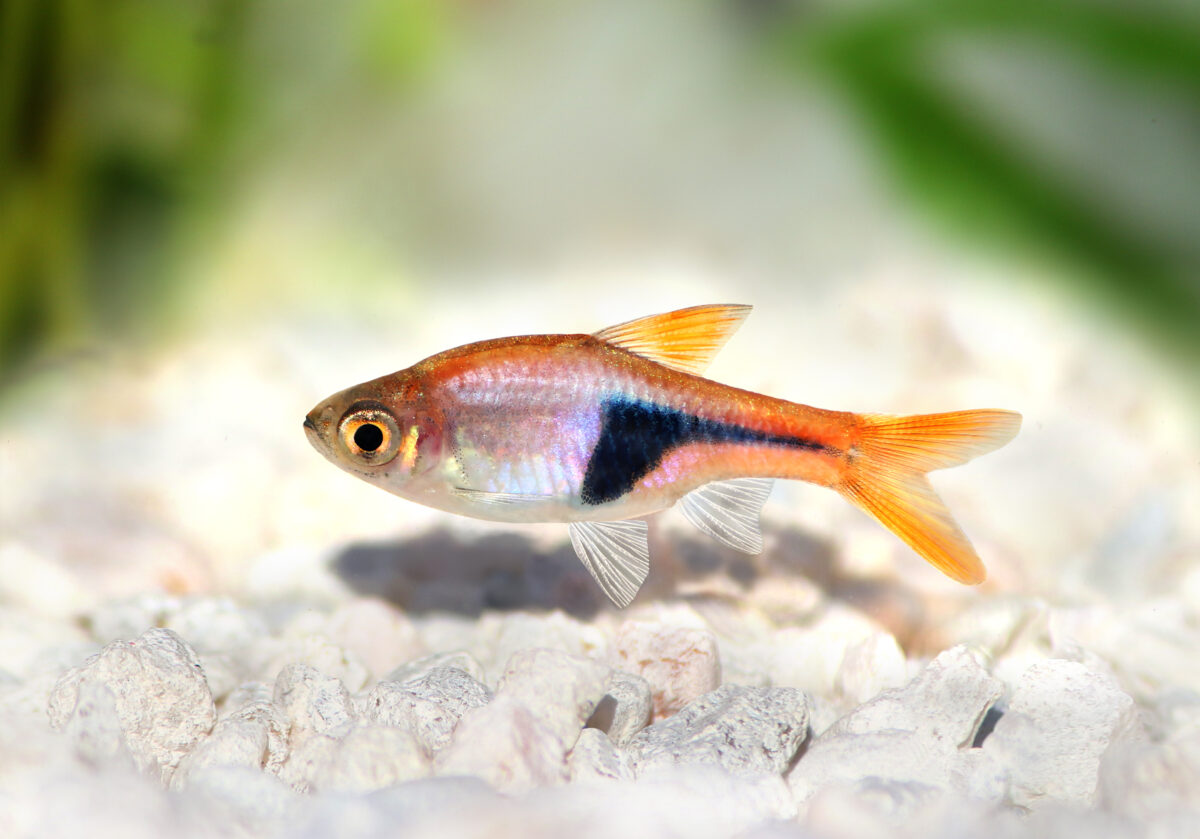
Their schooling nature adds movement and visual interest to the mid-water column without disrupting guppy activity.
- Beginner Insight:
Harlequin rasboras should be kept in groups of at least six. In smaller groups, they may become shy or stressed and fail to display natural schooling behavior. - Expert Insight:
They thrive in planted tanks with moderate lighting. Dense planting benefits both rasboras and guppies by breaking lines of sight and reducing overall tank stress.
5. Otocinclus Catfish
- Best for: Mature, stable tanks with natural algae growth.
- Avoid if: Your aquarium is newly set up or unstable.
- Scientific name: Otocinclus spp.
Otocinclus catfish are small, gentle algae eaters that coexist peacefully with guppies. They spend most of their time attached to plant leaves, glass, and décor, avoiding interaction with other fish entirely.
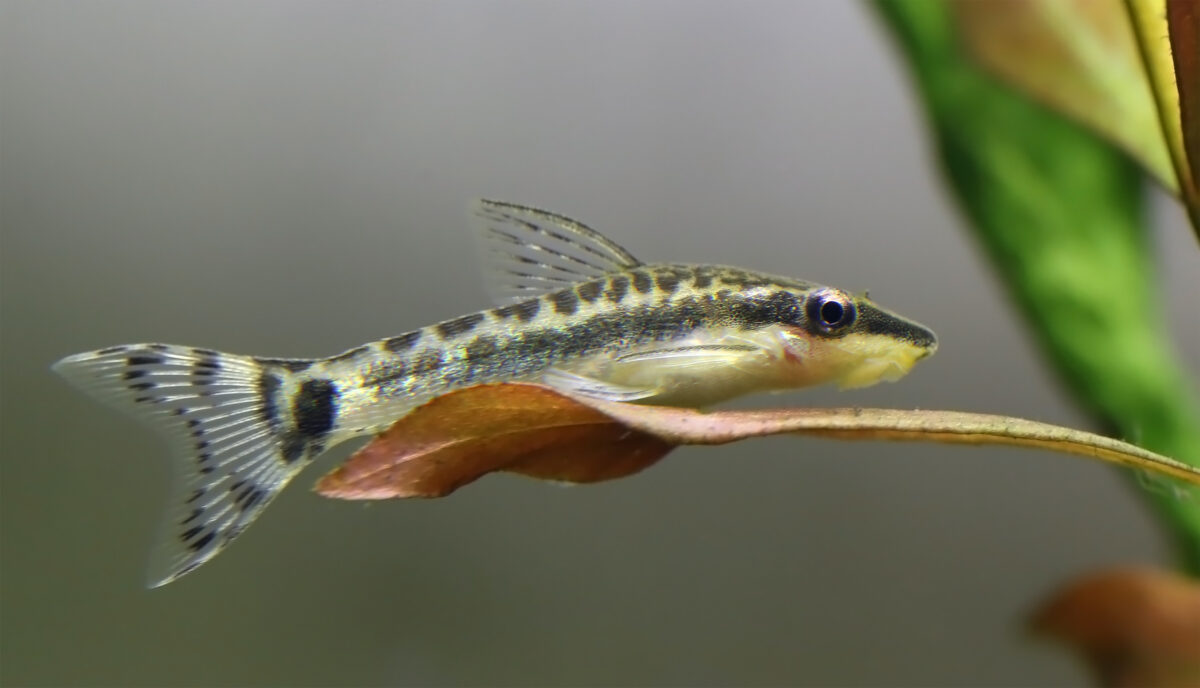
Their calm nature and small size make them excellent companions, but they are best suited to stable, well-established aquariums.
- Beginner Insight:
Otocinclus are sensitive during acclimation and should not be added to newly cycled tanks. Sudden parameter changes can be fatal. - Expert Insight:
Once natural algae become scarce, supplemental feeding is essential. Blanched zucchini, spinach, or specialized algae wafers help maintain long-term health.
6. Amano Shrimp
- Best for: Peaceful guppy tanks needing scavengers or algae control.
- Avoid if: You want shrimp that breed in freshwater.
- Scientific name: Caridina multidentata
Amano shrimp are active, peaceful invertebrates that can live successfully with guppies in community aquariums. Adult Amano shrimp are large enough to avoid harassment and spend most of their time scavenging and grazing.
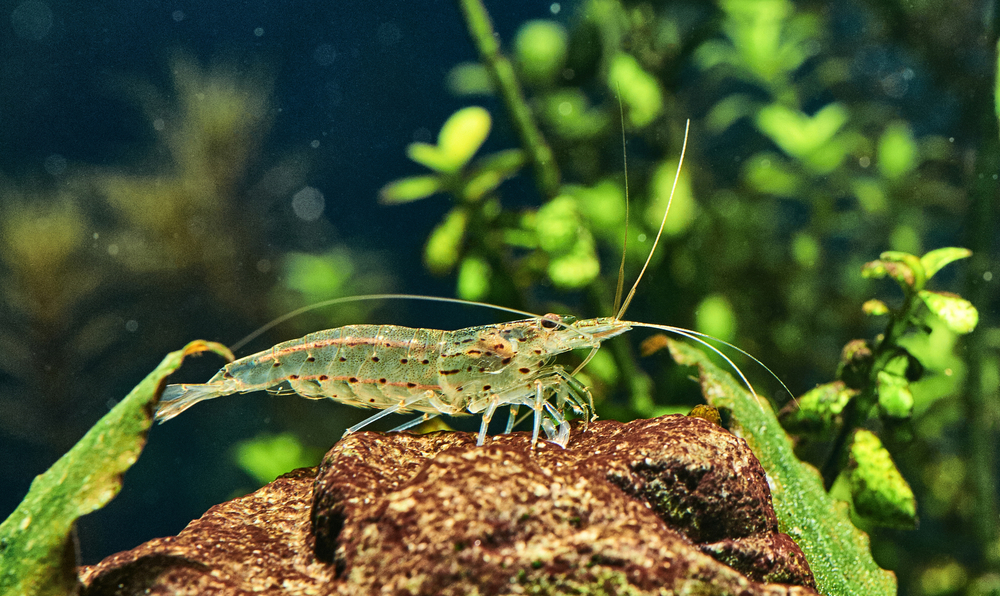
They contribute to tank cleanliness while adding subtle movement and interest to the lower levels of the aquarium.
- Beginner Insight:
While guppies may consume shrimp larvae, adult Amano shrimp are typically safe in community tanks and do not reproduce in freshwater. - Expert Insight:
Amano shrimp are highly sensitive to water quality changes. Sudden hiding behavior or inactivity can be an early indicator of environmental instability.
Conditionally Safe Guppy Tank Mates
(Tank Size, Ratios, or Monitoring Required)
These tank mates can work well with guppies, but only when specific conditions are met. Factors such as tank size, group size, sex ratios, aquascaping, and feeding strategy play a critical role in whether these combinations succeed long-term.
Species in this category may:
- Be more active or competitive than guppies
- Require larger or more structured tanks
- Create issues if stocking levels are poorly managed
For aquarists willing to plan carefully and observe closely, these fish can make excellent additions. For beginners, however, they should be approached with caution and clear expectations.
7. Platy Fish
- Best for: Larger livebearer tanks with population management plans.
- Avoid if: You are not prepared to manage fry or overcrowding.
- Scientific name: Xiphophorus maculatus
Platies are one of the most common “next step” tank mates for guppies because they share a similar temperament and do well in comparable water conditions. In many community tanks, platies and guppies coexist without conflict, and their colors complement each other nicely.
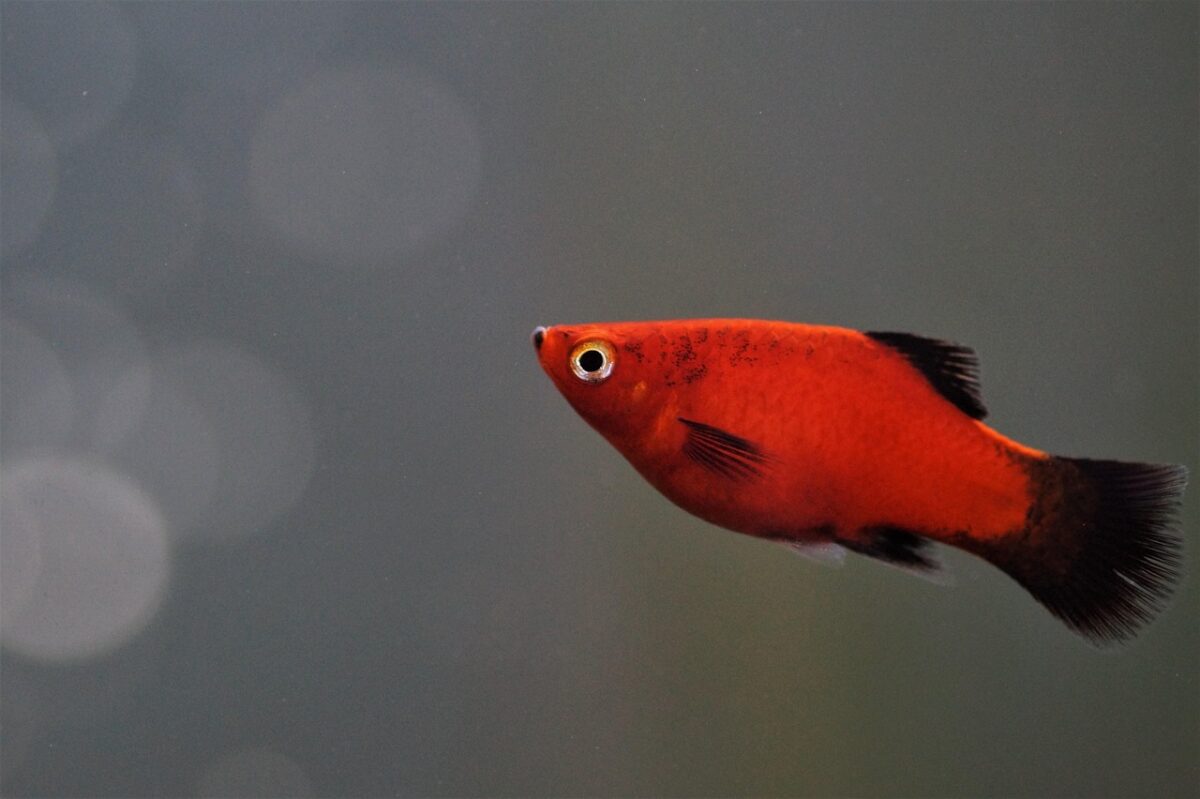
That said, platies are still livebearers, and they bring the same long-term challenge as guppies: population growth. In a mixed livebearer tank, fry production can ramp up quickly, leading to overcrowding, unstable water quality, and stress-driven behavior changes.
- Beginner Insight:
If you mix guppies and platies, plan for babies. Overcrowding is the most common reason this “peaceful combo” turns into a struggling tank. Consider stocking a single sex group or having a fry plan before you combine livebearers. - Expert Insight:
Behavioral compatibility is usually excellent, but feeding dynamics can shift in smaller tanks. If guppies begin losing weight while platies stay robust, adjust the feeding strategy and dispersion (multiple feeding zones) to reduce competition.
8. Kuhli Loach
- Best for: Heavily planted tanks with hiding places and soft substrate.
- Avoid if: You expect to see them constantly or cannot keep a group.
- Scientific name: Pangio kuhlii
Kuhli loaches are shy, bottom-dwelling fish that can work well with guppies because they avoid direct interaction and prefer to keep to cover. They are peaceful by nature, rarely compete for the same space, and are unlikely to stress guppies through chasing or intimidation.
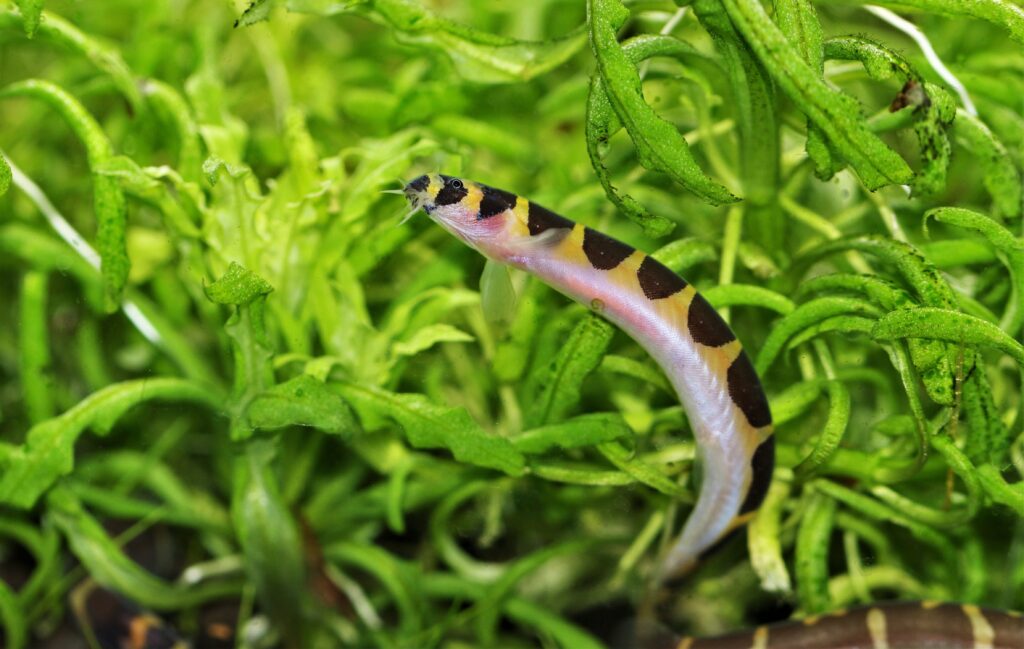
The main reason they are considered conditional is that they have specific comfort needs. Without enough cover, a proper group size, and stable water quality, kuhli loaches may remain hidden, fail to feed confidently, or become more vulnerable to disease.
- Beginner Insight:
Kuhli loaches should not be kept alone. Keep them in a group (ideally multiple individuals) and provide hiding places. If you rarely see them, that can be normal—but they still need to be eating, so make sure sinking foods reach the bottom. - Expert Insight:
Their success in guppy tanks improves dramatically with heavy planting, leaf litter-style cover, and feeding after lights dim. In bright, sparse setups, you may see poor foraging behavior and chronic stress even when parameters test “fine.”
9. Cardinal Tetra
- Best for: Established, planted tanks with short-finned guppies.
- Avoid if: Your tank is unstable or lightly stocked.
- Scientific name: Paracheirodon axelrodi
Cardinal tetras can be excellent tank mates for guppies when the tank is stable and conditions are appropriate. They are peaceful schooling fish with a small mouth, and they generally do not show the fin-nipping behavior associated with some other tetra species.
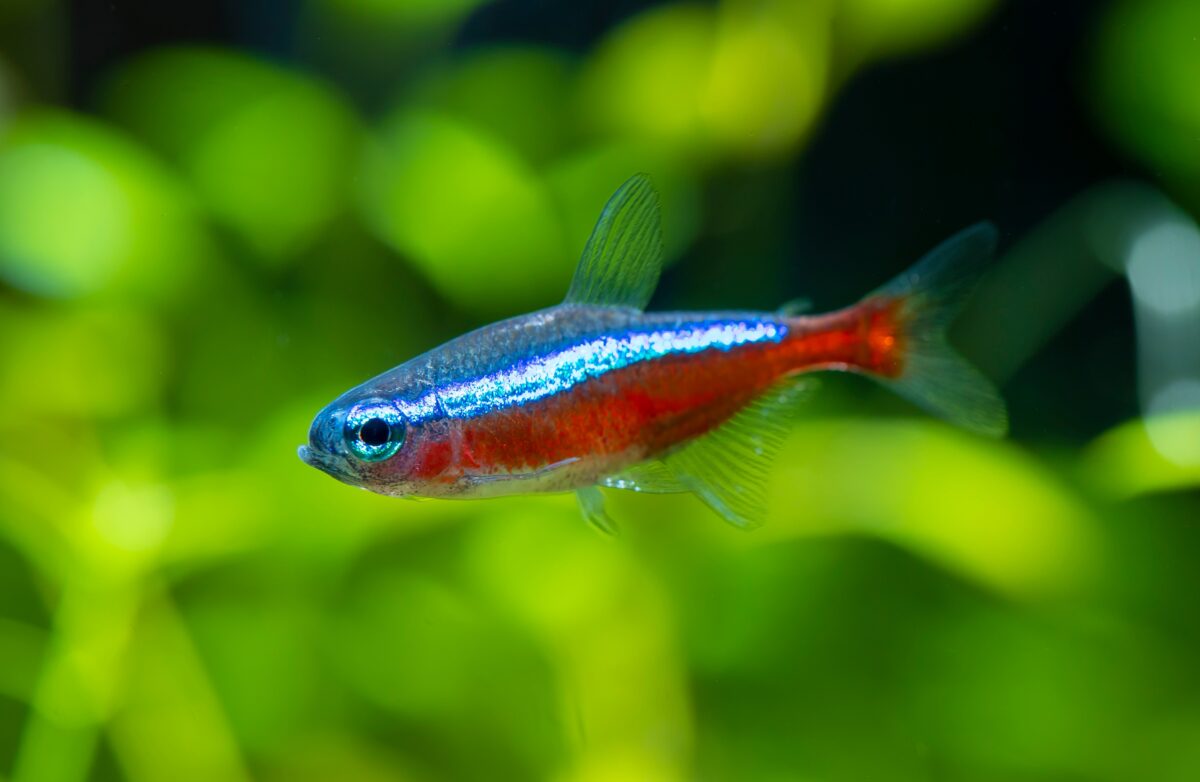
They fall into the conditional category because they are more sensitive than many beginner community fish, and because guppy strains matter. In some setups, long-finned guppies may become targets of curiosity or crowding pressure during feeding, especially if the tetra school is too small or the tank is undersized.
- Beginner Insight:
Only consider cardinal tetras if your tank is fully established and stable. Keep them in a proper school so they behave naturally and don’t become skittish. If you have delicate, long-finned guppies, monitor them closely during the first few weeks. - Expert Insight:
Cardinals do best when the aquarium is mature, well-filtered, and planted. Success improves with disciplined schooling numbers and consistent feeding routines. If you notice guppies hanging back at mealtime, broaden food distribution and reduce crowding in the mid-water column.
10. Bristlenose Pleco
- Best for: Well-filtered tanks with driftwood and hiding spaces.
- Avoid if: You cannot confirm the pleco is a small species.
- Scientific name: Ancistrus spp. (commonly sold as Ancistrus cirrhosus)
Bristlenose plecos are one of the few pleco types that can work in guppy community tanks because they remain relatively small and tend to focus on surfaces rather than tank mates. They are generally peaceful, spend most of their time on the bottom or attached to décor, and can contribute to algae control when properly fed.
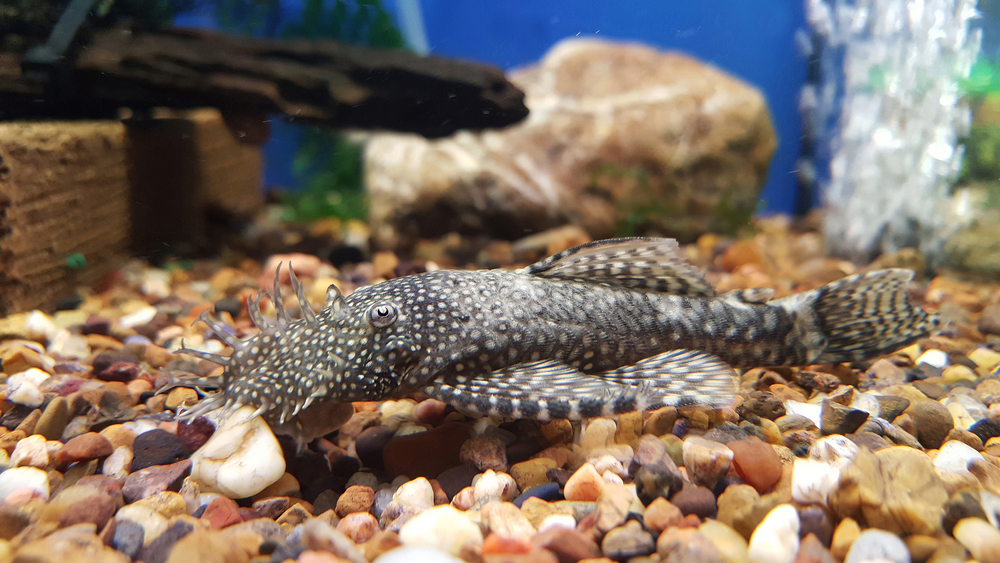
This tank mate is considered conditional because plecos are often misunderstood. A pleco that is underfed or housed without adequate shelter can become stressed and disruptive, and many fish sold as “plecos” are actually large species that outgrow community tanks. With bristlenose plecos, correct identification and tank setup are everything.
- Beginner Insight:
Only choose a bristlenose pleco if you can confirm it is a small species and you have enough space, filtration, and hiding spots. Do not assume a pleco will “live off algae.” Provide proper food, and make sure the tank has sheltered areas. - Expert Insight:
Long-term success improves when you treat bristlenose plecos as omnivores with a plant-heavy diet and consistent supplementation. Provide driftwood for grazing behavior and multiple hides to prevent territorial pressure in tighter footprints, especially if other bottom dwellers are present.
Advanced / Situational Guppy Tank Mates
(Experience and Backup Plans Required)
These tank mates are not recommended for beginners and should only be attempted by fishkeepers who understand guppy behavior and are prepared to intervene if problems arise.
Compatibility here is highly situational and depends on:
- Individual temperament
- Tank size is well above the minimum
- Careful stocking and monitoring
- Willingness to rehome fish if necessary
These species are included not because they are ideal guppy companions, but because they are commonly attempted and deserve honest, expert-level guidance. When done correctly, they can work—but success is never guaranteed.
11. Common Molly
- Best for: Large, well-planted tanks with careful feeding control.
- Avoid if: Your aquarium is small or lightly structured.
- Scientific name: Poecilia sphenops
Common mollies are frequently suggested as guppy tank mates because they are livebearers with broadly similar water preferences. In larger, well-managed tanks, mollies and guppies can coexist without overt aggression.
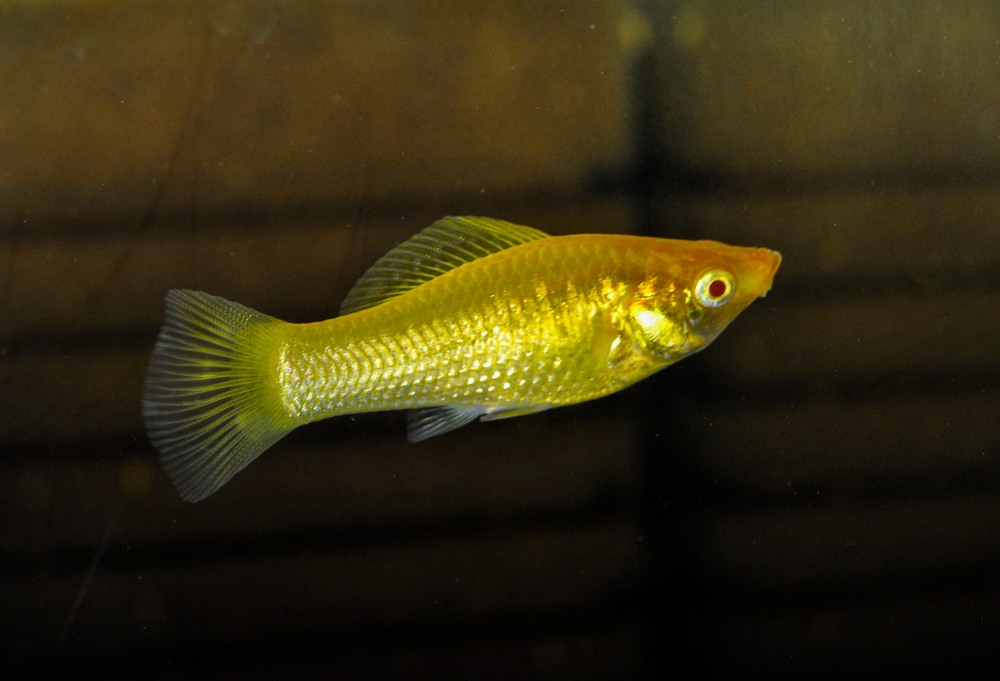
They are considered an advanced or situational choice because mollies are significantly larger, more active, and more dominant than guppies. In smaller aquariums or poorly planned communities, mollies often outcompete guppies for food and space, leading to chronic stress rather than visible conflict.
- Beginner Insight:
Mollies are not just “bigger guppies.” If your tank is small or lightly planted, mollies may overwhelm guppies through constant activity and feeding dominance. This pairing works best only with adequate space. - Expert Insight:
Behavioral balance improves when mollies are stocked conservatively and feeding is dispersed across multiple zones. Monitor guppy body condition closely—weight loss in guppies while mollies remain robust is an early warning sign.
12. Swordtails
- Best for: Spacious tanks with controlled male-to-female ratios.
- Avoid if: You keep guppies in small or sparsely decorated tanks.
- Scientific name: Xiphophorus hellerii
Swordtails are visually striking livebearers that are often assumed to be compatible with guppies. While coexistence is possible, swordtails are more assertive, faster swimmers, and far more physically dominant than guppies.

This combination becomes risky when tank size, sex ratios, or layout are not carefully managed. Male swordtails in particular may harass guppies, and their constant movement can disrupt guppy feeding and resting behavior.
- Beginner Insight:
Swordtails should not be mixed with guppies in small or sparsely decorated tanks. If you are new to fishkeeping, this pairing is likely to create stress even if no outright fighting occurs. - Expert Insight:
Larger tanks with dense planting and carefully controlled male-to-female ratios offer the best chance of success. Monitor for subtle stress signals in guppies, especially reduced feeding confidence and increased hiding.
13. Female Betta
- Best for: Experienced keepers with backup housing options.
- Avoid if: You are a beginner or keep long-finned guppies.
- Scientific name: Betta splendens
Female bettas are sometimes recommended as guppy tank mates due to their generally lower aggression compared to males. In reality, compatibility is highly individual and depends on the temperament of the betta, the guppy strain, and the tank environment.
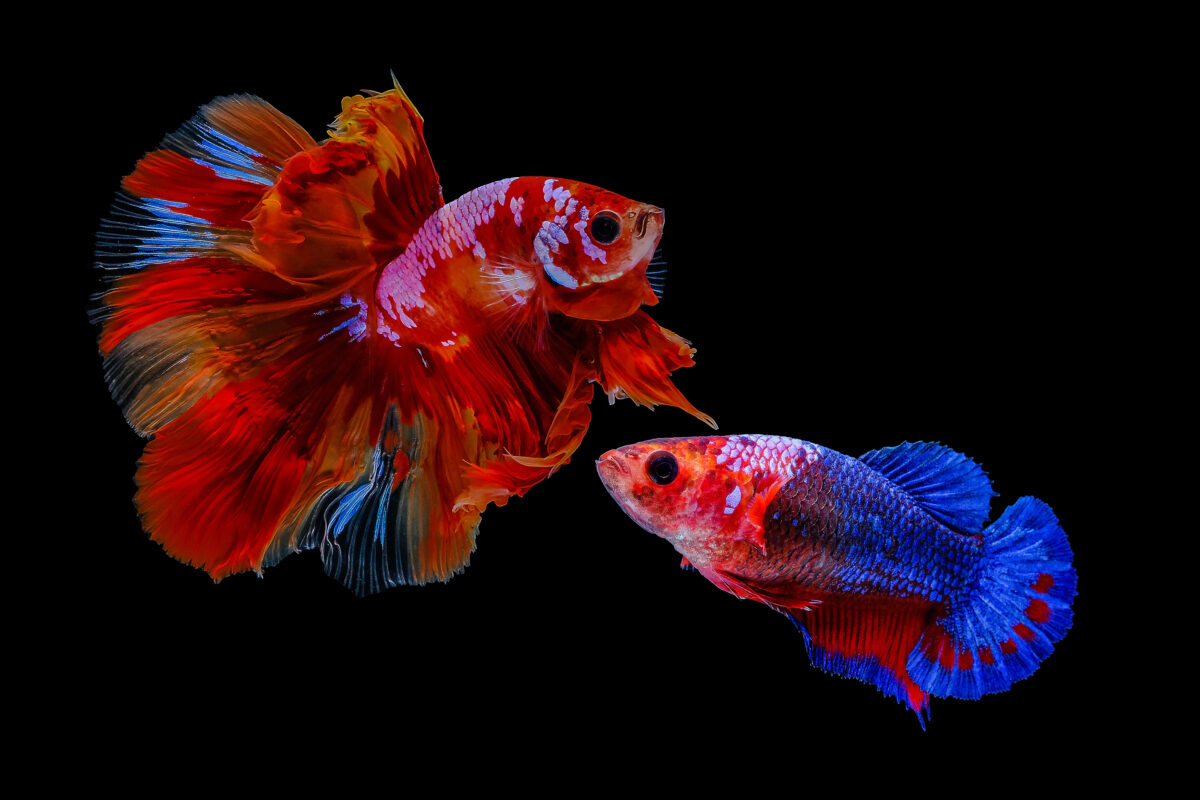
This pairing is considered advanced because long-finned or brightly colored guppies can trigger aggression in bettas, and stress may appear gradually rather than immediately. Even initially peaceful female bettas may become territorial as they mature.
- Beginner Insight:
This is not a “set and forget” combination. If you attempt it, have a backup tank or rehoming plan ready. At the first sign of fin damage, persistent chasing, or hiding behavior, separation is necessary. - Expert Insight:
Success improves with short-finned guppy strains, heavy planting, and broken sightlines. Continuous monitoring is essential, as compatibility can change over time rather than failing immediately.
A Quick Word of Caution for Beginners
Advanced or situational tank mates are included in this guide for completeness, not because they are ideal choices for most guppy keepers.
While fish like mollies, swordtails, and female bettas can coexist with guppies under the right conditions, success depends heavily on tank size, layout, individual temperament, and the keeper’s willingness to intervene if problems arise.
If you are new to fishkeeping, the safest path to success is to build your community tank using the Beginner-Safe and carefully selected Conditionally Safe species outlined earlier in this guide.
Remember: A peaceful tank is not defined by the absence of fighting, but by fish that feed confidently, display natural behavior, and remain active and visible over time.
Guppy Tank Mate Compatibility Chart
This chart provides a quick-reference overview of which tank mates work best with guppies, which require closer monitoring, and which should be avoided entirely for long-term success.
| Compatibility Level | Tank Mates | Why |
|---|---|---|
| Best Choices (Low Risk) | Nerite Snails Corydoras Catfish Bronze Corydoras Harlequin Rasbora Otocinclus Catfish Amano Shrimp | Peaceful behavior, minimal competition, compatible size, and water parameters. |
| Conditional Choices (Monitor Closely) | Platy Fish Kuhli Loach Cardinal Tetra Bristlenose Pleco | Compatibility depends on tank size, group size, feeding strategy, and aquascape. |
| Poor Choices (Avoid) | Common Plecos (Suckermouth Catfish) White Cloud Mountain Minnow Large Cichlids Angelfish Tiger Barbs Other Large or Aggressive Fish | Size mismatch, aggression, fin-nipping, or incompatible temperature requirements. |
Important: Even fish listed as “compatible” can cause stress if tanks are overcrowded, poorly structured, or improperly stocked. Always prioritize behavior and long-term stability over appearance.
Tank Mates Often Suggested — But Usually a Bad Idea
Many fish are frequently recommended as guppy tank mates because they are labeled as “community fish.” Unfortunately, this label often ignores long-term behavior, adult size, and subtle stress dynamics.
The fish below are commonly suggested, but in most home aquariums, they create chronic stress, compatibility issues, or outright danger for guppies.
Fin-Nippers to Avoid
Fin-nipping species are especially problematic for guppies, particularly long-finned or fancy strains. Fish such as tiger barbs and certain tetra species are notorious for targeting flowing fins.
Even occasional fin damage can lead to infections, stress, and reduced swimming ability. In mixed tanks, fin-nipping often escalates over time rather than improving.
If a fish has a reputation for fin-nipping, it should be excluded from guppy aquariums entirely.
Invertebrates With Guppies
Invertebrates can be excellent additions to guppy tanks, but compatibility depends heavily on size, behavior, and life stage.
Shrimp vs Guppies: What Survives
Adult shrimp species such as Amano shrimp are generally safe with guppies, as they are large enough to avoid harassment and spend most of their time scavenging.
Smaller shrimp species, especially newly hatched juveniles, are likely to be eaten by guppies. Even peaceful guppies will opportunistically consume shrimp fry.
If your goal is to maintain a shrimp population, provide dense cover, and understand that some losses are inevitable in mixed tanks.
Snails That Work (and Those That Don’t)
Most snails coexist peacefully with guppies, but not all are equally suitable. Nerite snails are an excellent choice because they do not reproduce in freshwater and are largely ignored by fish.
Other snail species may reproduce rapidly under favorable conditions, leading to overpopulation and increased bioload. While guppies rarely harm adult snails, population control should be considered before adding breeding species.
Breeding, Fry & Hybridization Concerns
Livebearer behavior adds another layer of complexity to guppy community tanks. Understanding breeding dynamics helps prevent overcrowding and unintended outcomes.
Will Guppies Crossbreed With Other Fish?
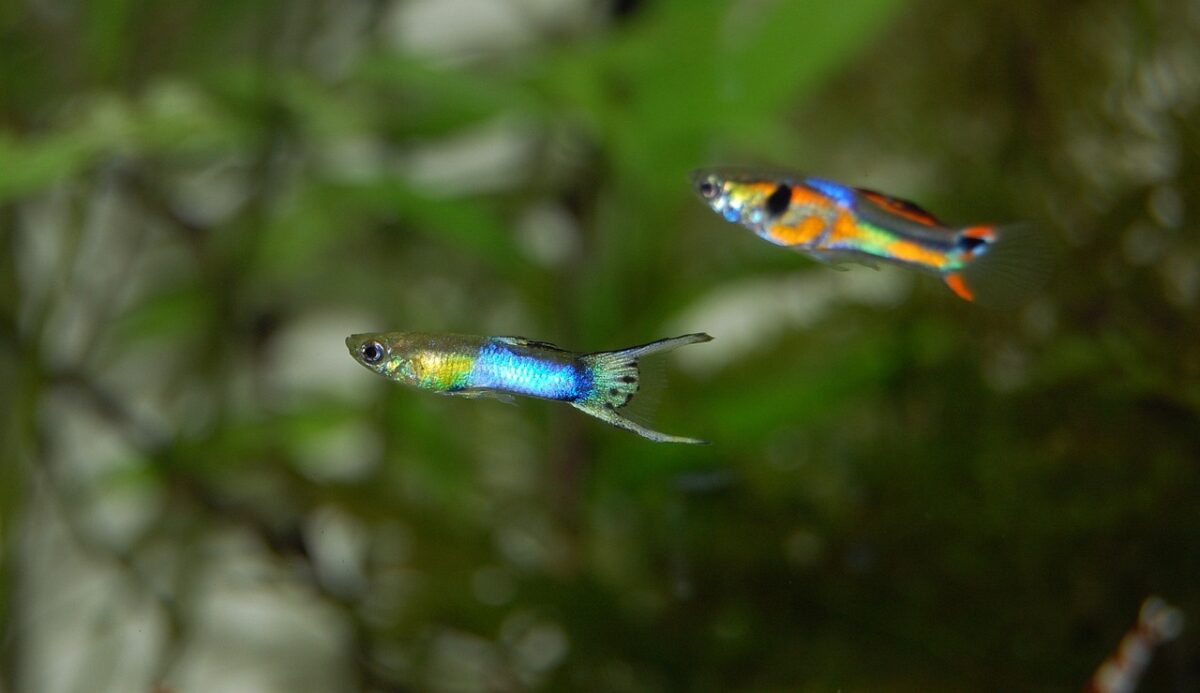
Guppies cannot crossbreed with most fish species. The primary exception is Endler’s livebearers, which are closely related and capable of producing hybrids.
Hybridization does not harm the fish directly, but it eliminates pure bloodlines. Aquarists who wish to preserve distinct strains should not mix guppies and Endlers.
Endler’s Livebearers Explained
Endler’s livebearers are often mistaken for guppies or treated as interchangeable. While similar in size and temperament, they are a distinct species.
When housed together, guppies and Endlers will readily hybridize. This is the primary reason Endlers are sometimes listed as “bad tank mates,” not because of aggression or incompatibility.
How to Protect Guppy Fry
In community tanks, guppy fry are vulnerable to predation from nearly all tank mates, including adult guppies. This is natural behavior.
- To increase fry survival, provide dense plant cover such as floating plants or mosses. Alternatively, separate breeding tanks or fry boxes can be used for targeted rearing.
- Without intervention, only a small percentage of fry will survive, and that is often beneficial for preventing overpopulation.
Still Unsure About Guppy Tank Mates? Frequently Asked Questions
Even with careful planning, guppy compatibility can raise questions, especially once real-world variables like tank size, stocking levels, and individual fish behavior come into play.
Below are answers to the most common and most important questions guppy keepers ask when building or adjusting a community tank. If you don’t see yours, drop it in the comments below.
What are the safest tank mates for guppies?
The safest tank mates for guppies are peaceful species that are similar in size or smaller and occupy different areas of the tank. Corydoras catfish, harlequin rasboras, nerite snails, Otocinclus catfish, and Amano shrimp consistently coexist well with guppies when kept under proper conditions.
What fish should never be kept with guppies?
Fish that are significantly larger, aggressive, or fast-moving should be avoided. This includes large cichlids, angelfish, tiger barbs, and common plecos. Even fish labeled as “community” can be unsuitable if they create chronic stress through size or activity level.
How many guppies should be kept together?
Guppies are social fish and should be kept in groups. A small group is generally preferable to single individuals, with attention paid to sex ratios to avoid excessive male harassment. Balanced groups promote more natural behavior and reduce stress.
Do guppies compete for food in community tanks?
Yes. While guppies are active, they are not aggressive feeders. Faster or more dominant tank mates can outcompete them, leading to weight loss even when food is offered regularly. Distributing food across multiple areas of the tank helps reduce this issue.
Why do my guppies hide or lose color after adding new tank mates?
Hiding, fading color, or reduced activity are common signs of stress. This often happens when new tank mates are too large, too fast, or too competitive. Even without visible aggression, chronic intimidation can suppress normal guppy behavior.
Is tank size more important than the type of fish?
Both matter, but tank size amplifies compatibility. Larger tanks provide more space, reduce competition, and allow for better aquascaping. Many compatibility issues arise not from the species themselves, but from cramped or poorly structured environments.
Building a Peaceful Guppy Community Tank
A successful guppy community tank isn’t about maximizing the number of species; it’s about creating an environment where fish feed confidently, behave naturally, and remain healthy over time.
Start with beginner-safe tank mates, scale your tank size as your community grows, and don’t hesitate to rehome fish that create ongoing stress. Most compatibility problems are solved not by adding more fish, but by simplifying the system.
When decisions are guided by behavior, space, and long-term stability, guppies thrive, and so does the rest of the tank.
Share Your Guppy Story
Every guppy tank is different, and some of the best lessons come from real-world experience.
If you’ve had a tank mate combination that worked especially well, or one that didn’t, share your story in the comments below. Let us know your tank size, the fish you kept together, and what you learned along the way. Your experience could help another fishkeeper avoid mistakes or build a healthier, more peaceful guppy tank.