When you purchase through links on our site, we may earn a commission. Here’s how it works.
They looked calm. Colorful. Maybe even labeled “great for beginners.” Then one started chasing everything. Another outgrew the tank. One wiped out the rest overnight.
If you’re new to fishkeeping, these are the 11 worst fish for beginners; the ones people buy… then immediately regret.
Table of Contents

Worst Fish for Beginners
The “Easy Fish” That Ruin First Tanks
They’re sold as calm. Easy. Beginner-friendly. And they’re the reason so many first aquariums fail.
The worst fish for beginners aren’t rare or exotic. They’re often the popular ones, the fish pet stores recommend, the fish beginners buy on day one, and the fish that quietly turn a fun new hobby into stress and regret.
What actually happens is predictable:
- A “peaceful” fish matures and becomes an aggressive aquarium fish
- A small fish suddenly needs far more space
- One fish starts stressing or killing tank mates
- The tank spirals fast
That’s why these are the fish beginners regret buying. Not because beginners are careless, but because these fish were never truly beginner-friendly in the first place.
Once you understand this mistake, the list of the worst fish for beginners becomes obvious.
Want a Low-Stress Aquarium From Day One? If you’re feeling overwhelmed or just want things to go smoothly, our guide on easy steps to a low-stress aquarium walks you through simple, beginner-friendly habits that prevent the most common tank problems before they start.
Up next: The 11 worst fish for beginners.
The 11 Worst Fish for Beginners
If You’re Just Starting Out, It’s Probably Best To Avoid These
These are the fish beginners buy most often and regret fastest. They’re commonly sold as easy, peaceful, or beginner-friendly, but in real tanks, they grow too big, turn aggressive, or create nonstop problems new owners aren’t ready for.
1. Angelfish
Beginner Fish That Turn Aggressive
Angelfish are calm and well-behaved when they’re young, which is why beginners feel confident buying them. The problem comes later. As they mature, Angelfish become territorial and surprisingly aggressive, especially in smaller tanks.
Beginners struggle because the tank often seems peaceful at first. Then the Angelfish starts chasing, nipping, and stressing other fish, turning a community tank into a constant conflict zone.
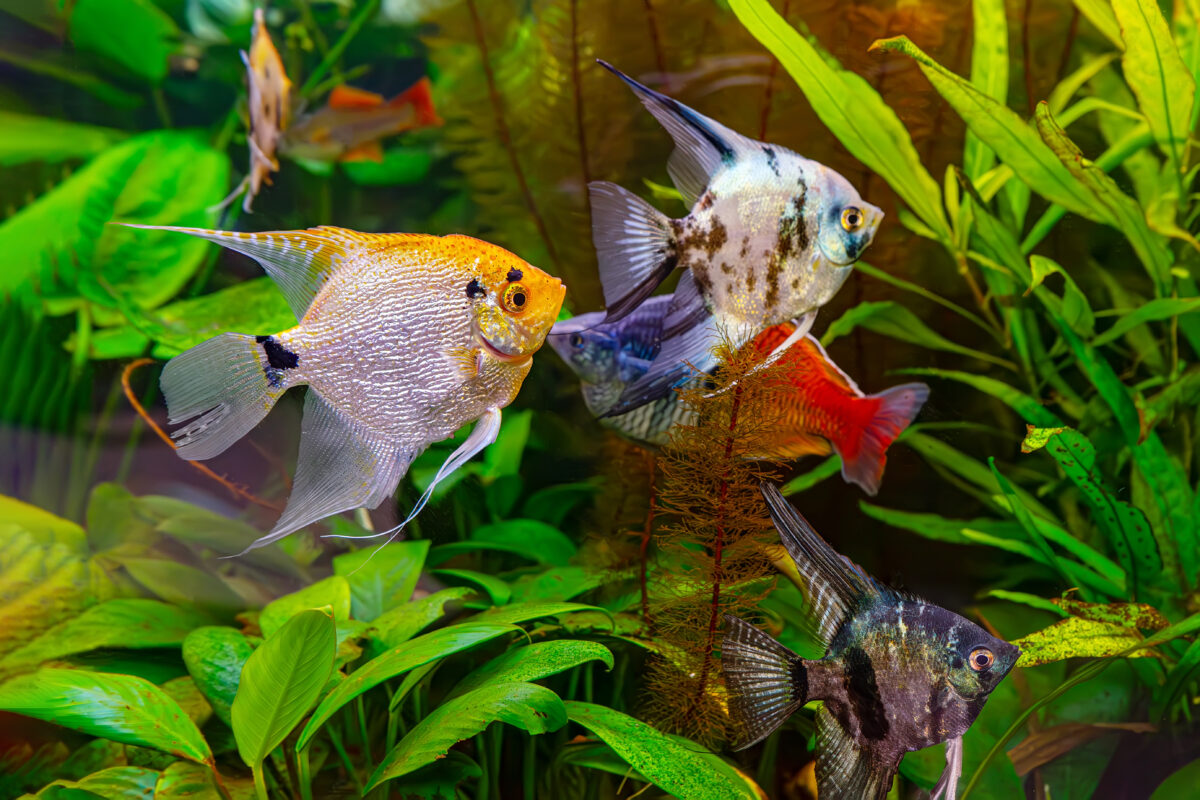
Photo by katyamaximenko on Adobe Stock
Thinking About Keeping Angelfish? If you already have Angelfish or are set on keeping them, choosing the right tank mates makes all the difference. Our guide to the best tank mates for Angelfish breaks down which fish work and which ones almost always cause problems.
2. Gouramis
Beautiful Fish Beginners Should Avoid
Gouramis are colorful and eye-catching, but many species are territorial and unpredictable. Some remain calm, while others suddenly become aggressive toward tank mates without obvious warning.
This inconsistency makes them especially hard for beginners, who don’t yet know how to manage aggression or identify which species are more problematic.
Honey Gouramis, in particular, have a reputation for being aggressive towards other fish in the aquarium, so it’s important to place them with the right tankmates. Some Gouramis might even kill the smaller species in your tank.

Already Have Gouramis in Your Tank? Tank mates matter more with Gouramis than most beginners realize. Our guide to the best tank mates for Gouramis explains which fish tend to work well and which combinations usually end in stress or fighting.
3. Bala Sharks
The Fish That Outgrow Your Aquarium
Bala sharks start small, sleek, and active. Then they keep growing, fast. Many beginners don’t realize these fish can reach sizes that require very large, open tanks.
As they outgrow beginner aquariums, Bala sharks become stressed, injure themselves, and overwhelm tanks that were never meant to house them long-term.
These fish are known to be jumpers, which can be dangerous when kept in a small tank. Additionally, Bala sharks can be sensitive to water quality and are prone to stress-related illnesses, which can be difficult for beginners to manage.
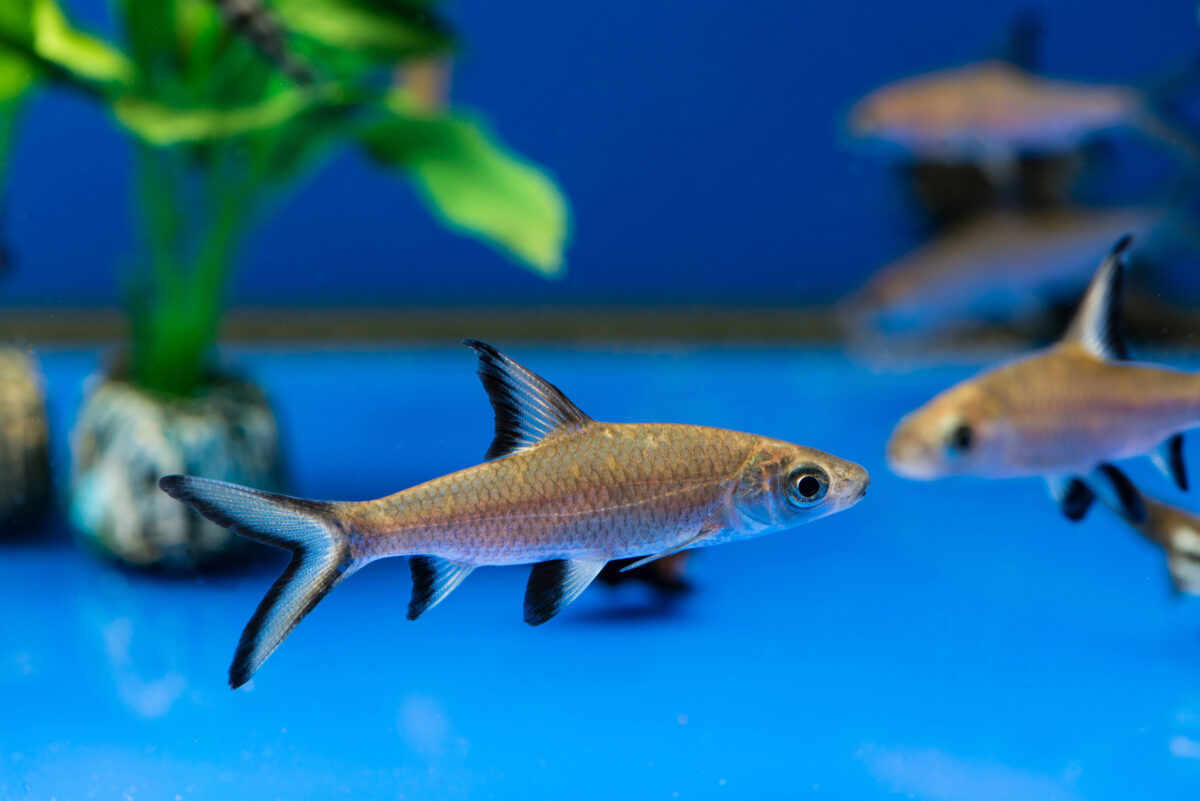
Photo by smspsy on Deposit Photos
Choosing Freshwater Aquarium Fish? If you’re still deciding what to stock your tank with, our guide to the best freshwater aquarium fish covers beginner-friendly options, compatibility tips, and common mistakes to avoid before you buy.
4. Oscars
Cute Fish That Are Not for Beginners
Oscars are intelligent, interactive, and almost puppy-like, which makes beginners fall in love quickly. Unfortunately, they also grow large, eat aggressively, and produce a lot of waste.
Beginners often underestimate the tank size, filtration, and commitment Oscars require, turning what looked like a fun pet into an exhausting responsibility.
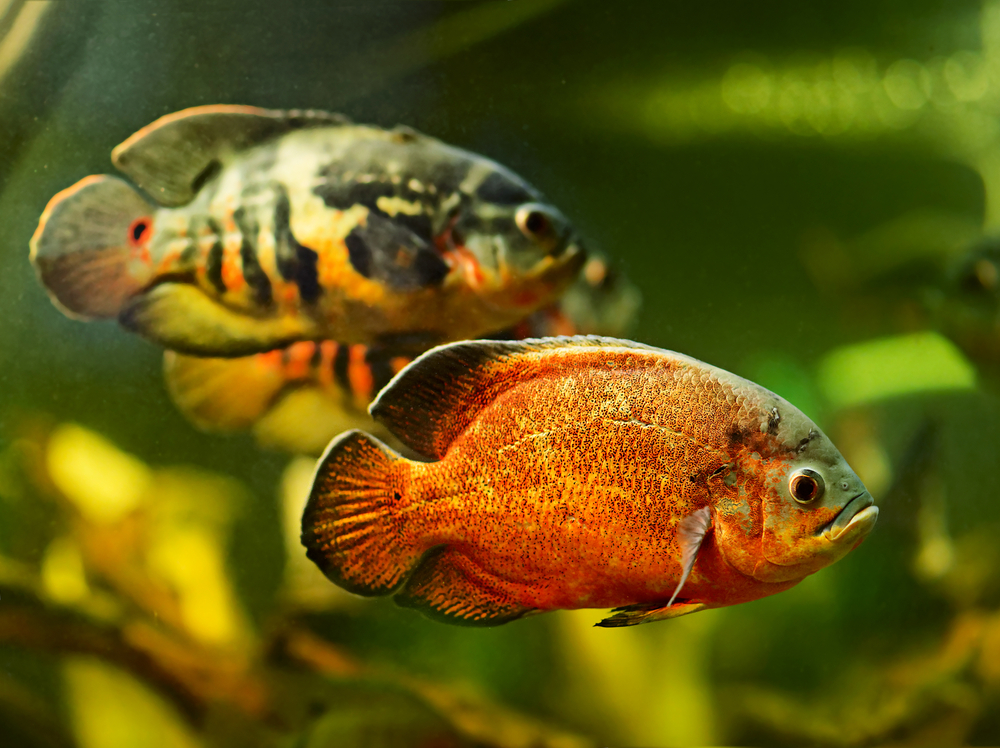
Thinking About Keeping Oscars? Oscars are powerful, intelligent fish, and very picky about tank mates. Our guide to the best tank mates for Oscars explains which fish can work and which combinations usually end badly.
5. Guppies
“Easy Fish” That Creates Beginner Chaos
Guppies are a popular choice for beginner fish keepers due to their bright colors, but they come with problems that no one explains. They breed constantly, overpopulate tanks, and are sensitive to unstable conditions.
Beginners frequently experience sudden deaths, overcrowding, and disease outbreaks, all from fish that were supposed to be simple.
Guppies are often mass-produced and can come with diseases or parasites. This can be discouraging for beginners who may need to learn how to care for their fish properly. Secondly, Guppies have been heavily inbred over the years, which can weaken their genetics and make them more prone to health issues.
It is vital to source Guppies from a reliable source and to quarantine them before introducing them to your aquarium.

Curious About Guppies? If you’re interested in Guppies despite their challenges, our guide to 55 types of Guppies shows the different varieties, colors, and patterns, and helps you understand what you’re really signing up for before buying.
6. African Lungfish
The Fish That Turns Tanks Into Nightmares
African lungfish look fascinating and prehistoric, but they are completely unsuitable for beginners. They grow very large, live for decades, and are aggressive predators.
These fish require massive tanks and long-term planning that most beginners never intended to sign up for.
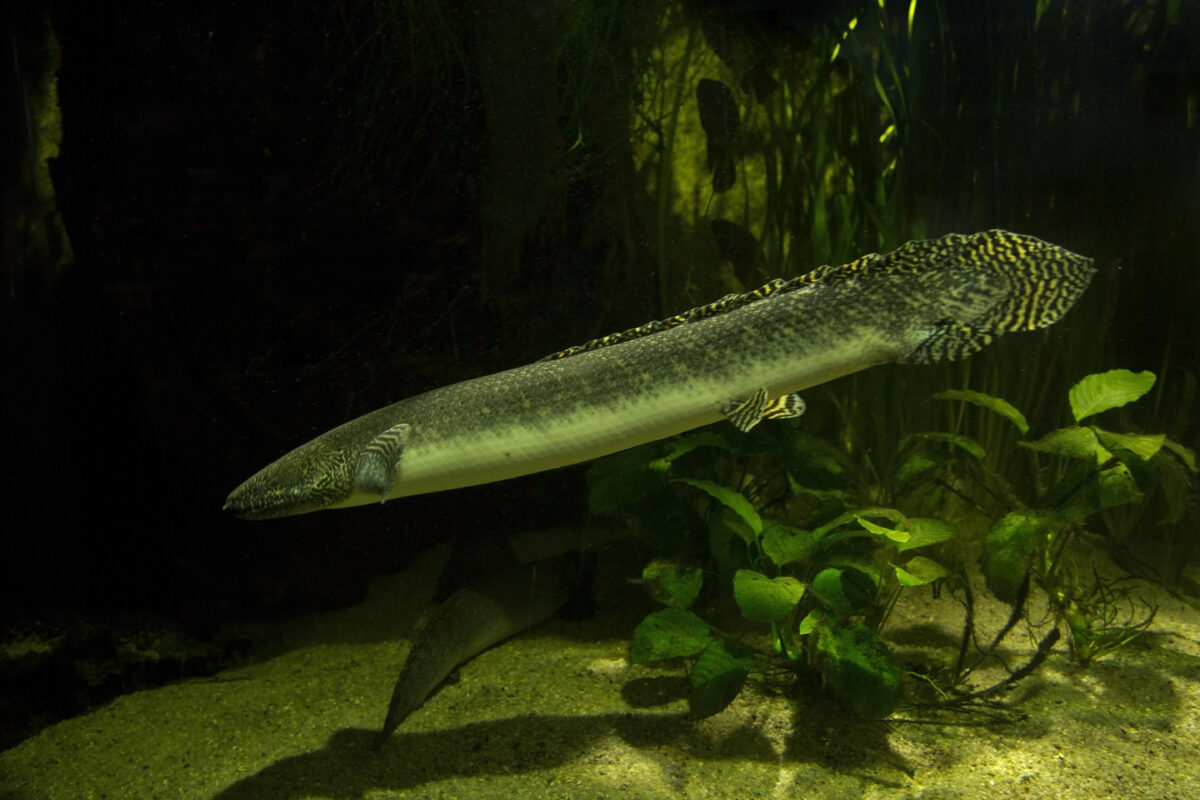
Photo by white_night on Deposit Photos
7. Large Plecos
Sold as Cleaners, Grow Into Monsters
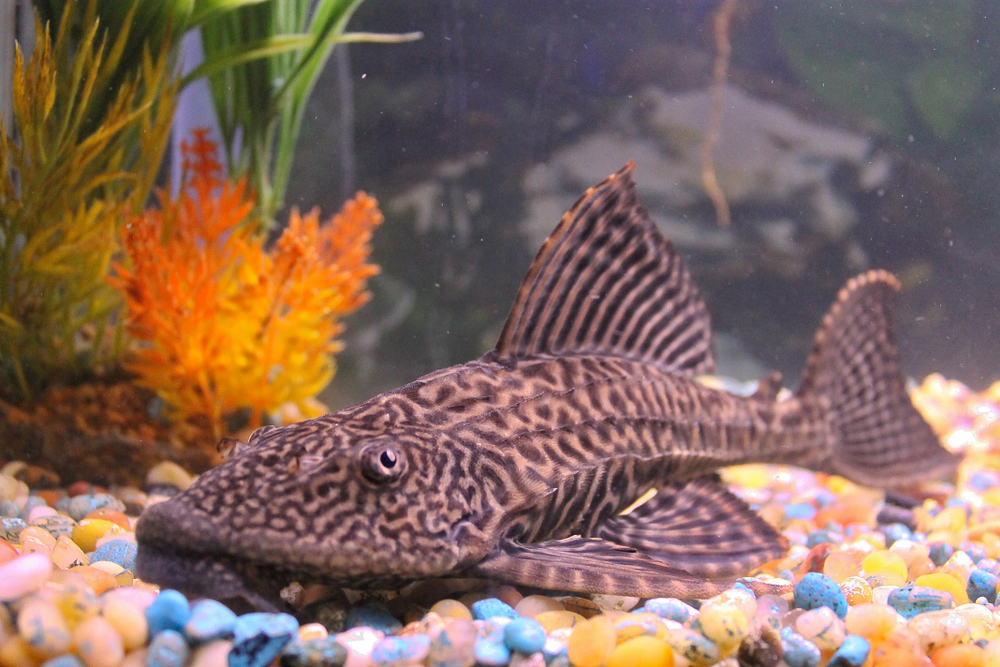
Large Plecos are often sold as algae cleaners, but many species grow over a foot long and produce huge amounts of waste. They’re poop machines!
Beginners expect them to help maintain the tank. Instead, Plecos often make water quality problems worse and outgrow the aquarium entirely.
Dealing With Algae in Your Tank? If algae is already becoming an issue, our guide to the different types of aquarium algae helps you identify what you’re seeing and explains simple ways to control it before it takes over.
8. Flowerhorn Cichlid
The Aggressive Fish That Looks Too Cool to Resist
Flowerhorns are striking and full of personality, which makes them irresistible to beginners. Unfortunately, they are extremely aggressive and usually cannot live with other fish.
Beginners struggle because Flowerhorns demand space, experience, and tolerance for mistakes that new fishkeepers simply don’t have yet.
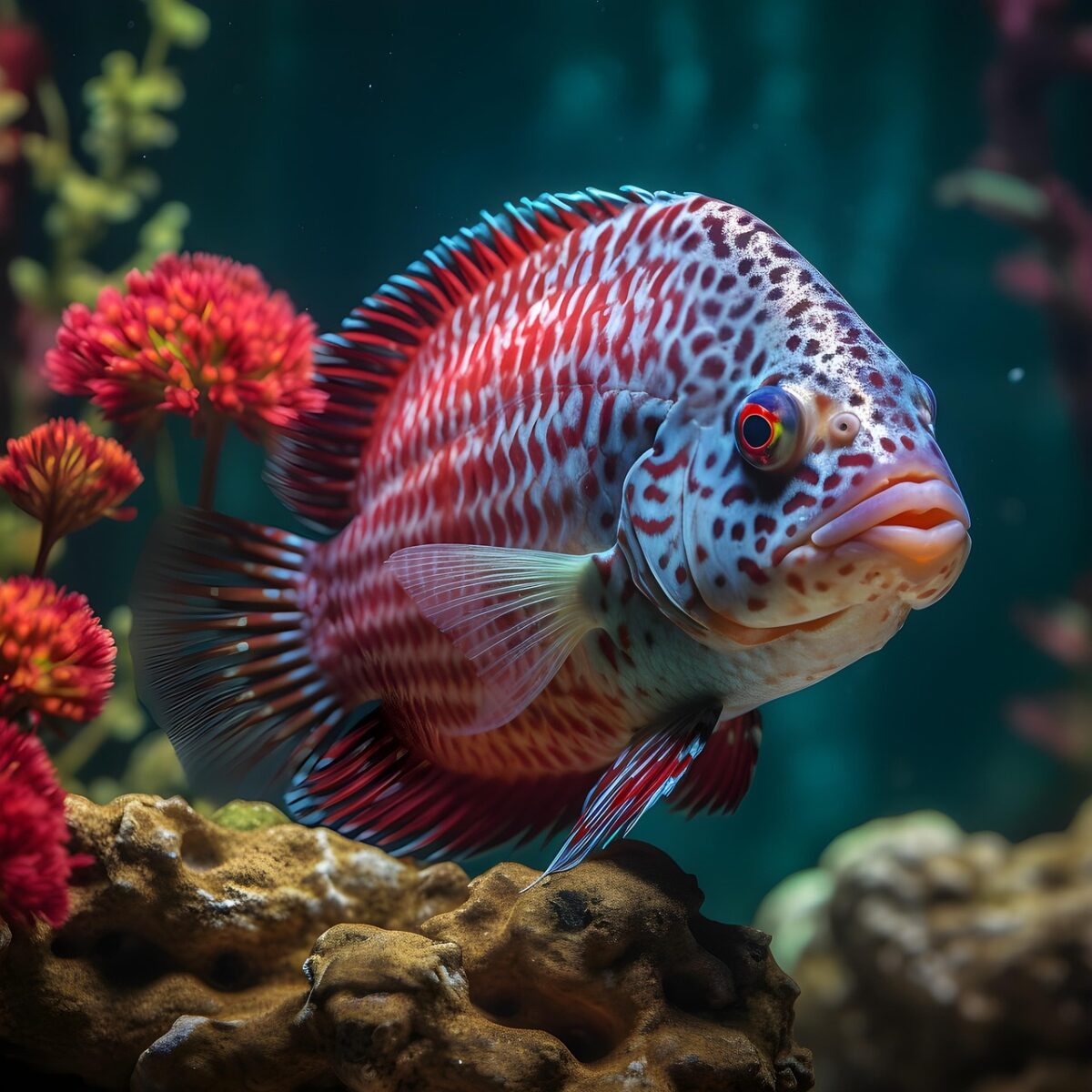
Photo by geraldrose on Pixabay
9. Blood Parrot Cichlid
Cute Fish With Big Problems
Blood Parrot Cichlids look friendly and cartoonish, but they can be territorial, unpredictable, and prone to health issues.
Beginners are rarely prepared for their behavior or special needs, making them another fish purchased for looks rather than suitability.
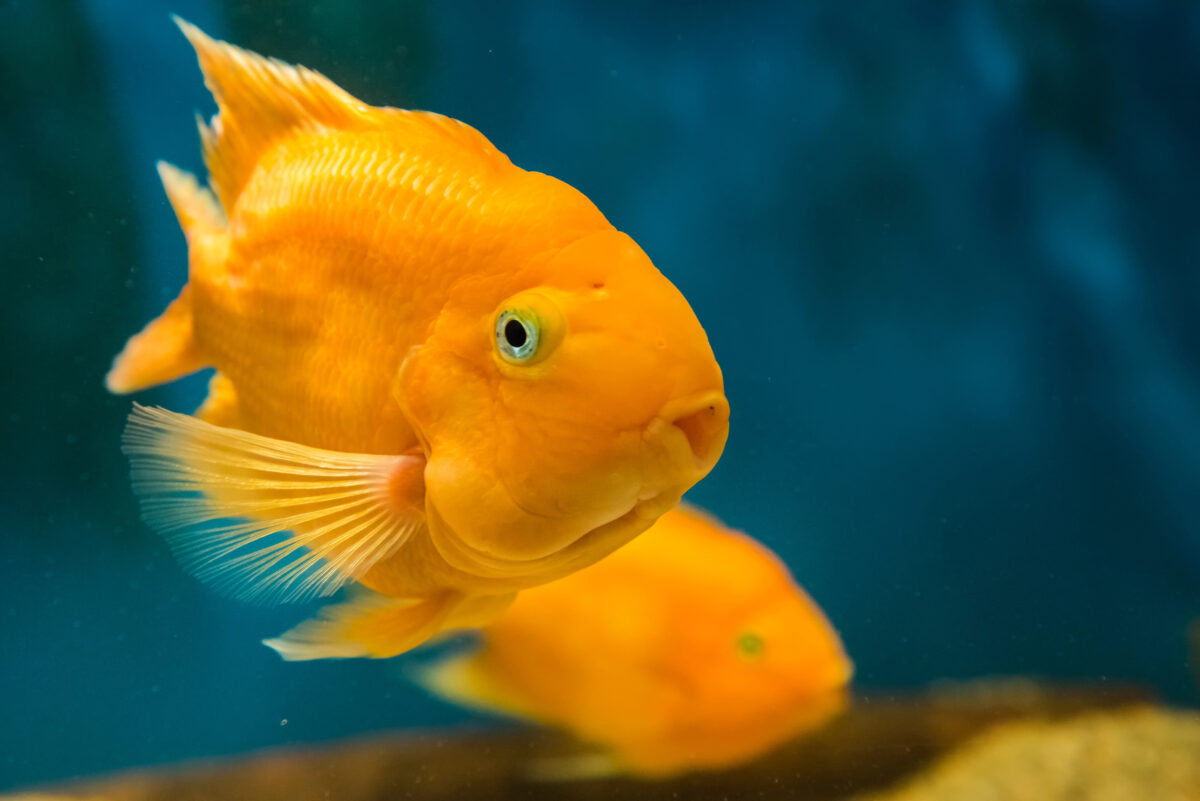
Photo by antos777 on Deposit Photos
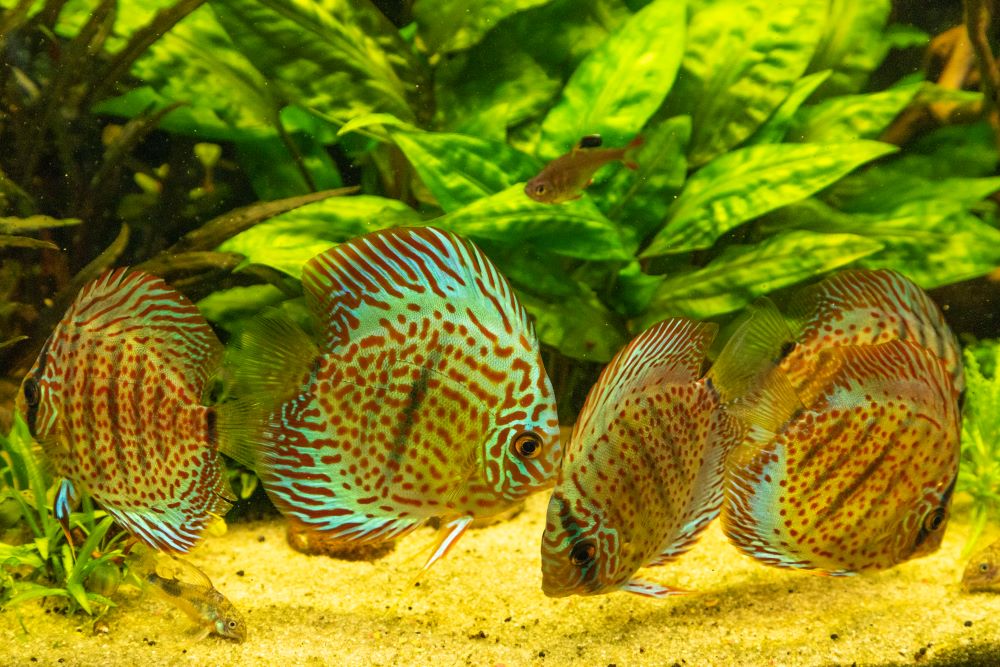
10. Discus Fish
Beautiful Fish That Break Beginners
Discus fish are stunning, but they are highly sensitive to changes in their environment. Small mistakes that beginners don’t even notice can stress or harm them.
Many new fishkeepers buy Discus too early, thinking they’ll learn as they go. These tropical fish don’t allow that luxury.
11. Goldfish
The Biggest Beginner Lie of All
Goldfish are treated like starter pets, but they are anything but easy. They grow large, live for decades, and produce massive amounts of waste.
Bowls and small tanks set beginners up for failure, making Goldfish one of the most misunderstood and worst fish for beginners.
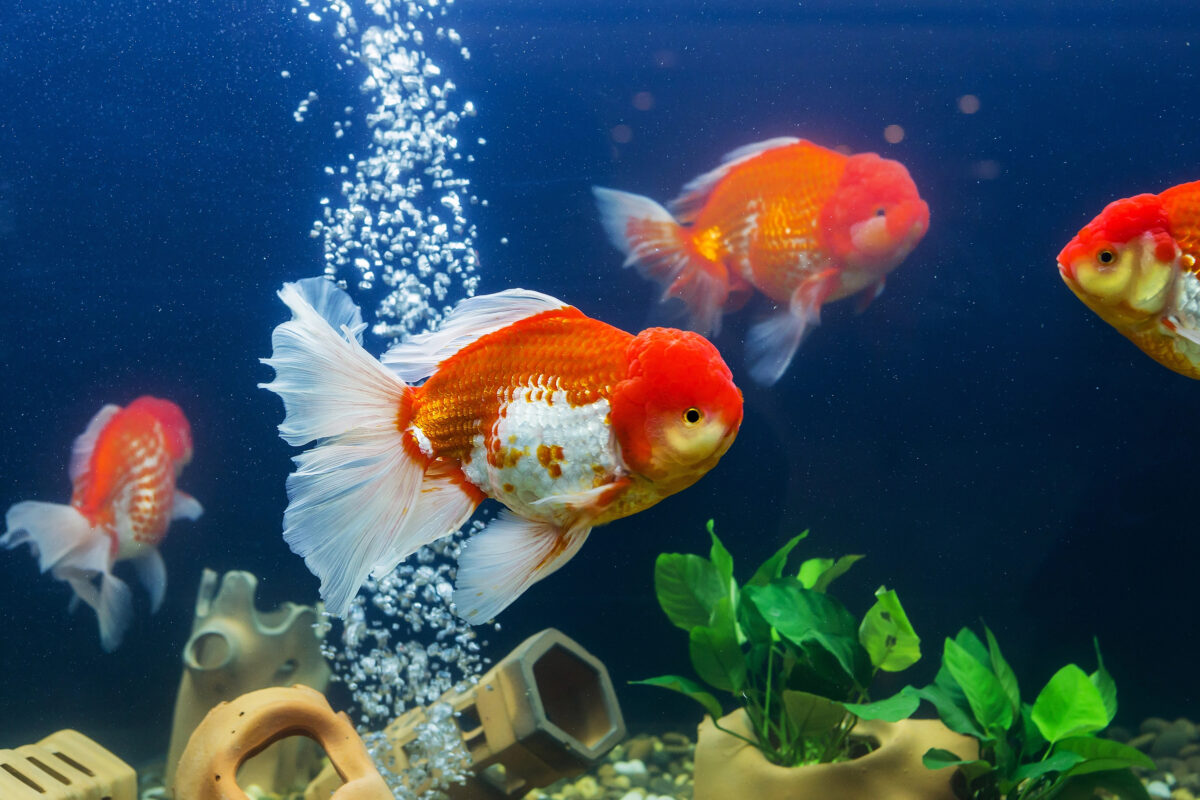
Photo by subinpumsom on Deposit Photos
If you think this sounds exaggerated, you’re not alone; most people have been told Goldfish are easy their whole lives.
If you want another quick explanation from an aquarium expert, Big Al breaks down exactly why Goldfish are terrible beginner fish in this short video. It’s eye-opening, even for experienced fishkeepers…
Setting Up a Goldfish Tank? If you’re set on keeping Goldfish, getting the setup right is critical. Our guide to Goldfish tank setup and the best Goldfish tank mates explains what they actually need to stay healthy and which fish should never be housed with them.
Up next: What to do if you already own one of these fish and how to move forward without panicking or making things worse.
What To Do If You Already Own One of These Fish
First, don’t panic, and definitely don’t feel bad. A huge number of beginners end up with the wrong fish because of bad advice or misleading labels.
If you already own one of the fish on this list, your options are simple:
- Don’t release the fish or dump it
- See if upgrading the tank is realistic for you
- Look into responsible rehoming through local fish groups or stores
- Avoid adding more fish until you have a plan
It’s also worth slowing down and spending time researching your specific fish. In some cases, with the proper setup and realistic expectations, things can work, but only if you understand what the fish actually needs long-term.
Many beginner tanks fail because people feel stuck and keep making minor fixes instead of making one clear decision. Sometimes the best move is to change the plan, not fight the fish.
Up next: Why beginner tanks can still fail even when you feel like you’re doing everything right.
Why Beginner Tanks Fail Even When You Do Everything “Right”
This is one of the most frustrating parts of fishkeeping for beginners. You follow the advice, feed carefully, clean the tank, and things still go wrong.
The reason is simple: many bad fish for beginners don’t fail because of poor care. They fail because their needs outgrow beginner setups. As fish mature, their behavior, size, and stress levels change in ways new owners aren’t prepared for yet.
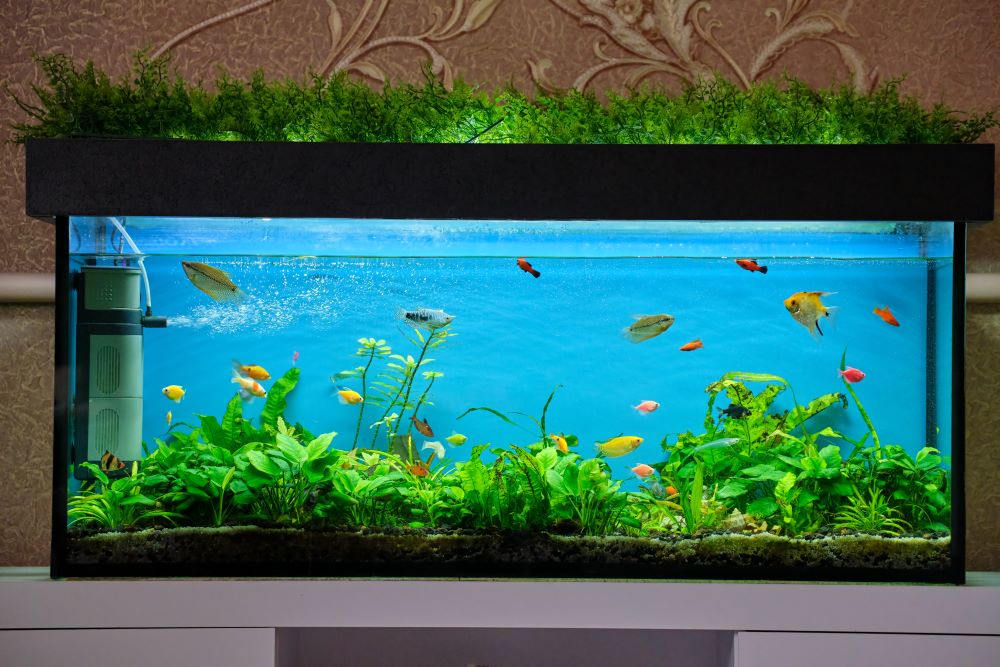
That’s why so many people feel they failed at fishkeeping, when in reality, the fish choice set them up for problems from the start.
Up next: The early warning signs that tell you a fish is about to become a problem.
Warning Signs a Fish Is About to Become a Problem
Most beginner fish disasters don’t come out of nowhere. There are usually early signs that something is about to go wrong. Watch for these red flags:
- One fish is constantly chasing or cornering others
- A fish guarding a specific area of the tank
- Rapid growth compared to tank size
- Sudden spikes in waste or mess
- Other fish hiding, clamping fins, or acting stressed
Spotting these signs early gives beginners time to adjust before a small issue turns into a tank-wide problem.
Up next: Better fish for beginners if you want an easier, stress-free start.
5 Better Fish for Beginners
If You Want an Easy Win
If you’re new to fishkeeping, you don’t need rare or flashy fish to succeed. You need fish that stay small, behave predictably, and don’t punish beginner mistakes.
These fish are far more forgiving for first-time tanks:
- Betta fish: Hardy, easy to feed, and perfect for single-fish setups.
- Corydoras catfish: Peaceful bottom dwellers that stay small and do well in groups.
- White cloud mountain minnows: Active, hardy fish that tolerate beginner conditions better than most.
- Platies or Mollies: Livebearers that are easier to manage than guppies and less chaotic.
- Harlequin rasboras: Calm, schooling fish that behave well in community tanks.
If you start with fish like these, everything about fishkeeping gets easier and far more enjoyable. Most beginner fish disasters aren’t caused by bad fishkeeping; they’re just caused by bad first fish.
Looking for Fish That Are Actually Beginner-Friendly? If you want an easier, lower-stress start, our guide to the best fish for beginners highlights species that stay manageable, behave predictably, and are far more forgiving for first-time aquariums.
Final Thoughts
These fish, while beautiful and intriguing, present unique challenges that might not be the best fit for those new to the hobby.
Nonetheless, it’s essential to remember that every aquarist’s journey is different, and with dedication, research, and the proper guidance, even these challenging species can be successfully cared for by beginners.
As you progress in your fishkeeping adventure, your skills and knowledge grow, allowing you to take on more demanding species when you feel ready.
Frequently Asked Questions
Still unsure about a fish you’re thinking of buying? You’re not alone. If you have a question that isn’t answered below, drop it in the comments. Because chances are someone else is wondering the same thing.
Are Goldfish Really Bad Fish for Beginners?
Yes. Goldfish grow much larger than most people expect, live for decades, and produce a lot of waste. Small tanks and bowls quickly become unhealthy, which is why Goldfish are one of the most misunderstood and worst fish for beginners.
What Is the Easiest Fish for a Beginner to Keep Alive?
Single betta fish, white cloud mountain minnows, and hardy community fish like platies or harlequin rasboras are often easier for beginners than popular fish that grow large or turn aggressive.
Why Do Pet Stores Recommend Fish That Aren’t Beginner-Friendly?
Most fish are sold when they’re young, small, and calm. The problems show up later, after the fish grows or matures. Store labels often focus on short-term appearance, not long-term behavior or tank size needs.
How Do I Know If a Fish Will Outgrow My Tank?
If a fish is sold very small but belongs to a species known for rapid growth, large adult size, or high activity levels, it will likely outgrow a beginner tank. Always check adult size, not just how the fish looks today.
Can Beginners Keep Aggressive Fish Successfully?
Aggressive fish usually require large tanks, careful stocking, and experience in managing behavior. For beginners, aggressive fish are far more stressful and often lead to tank failures.
Why Do Beginner Fish Seem Fine at First and Then Fail Later?
Many fish don’t show problematic behavior immediately. As they grow, mature, or establish territory, aggression and space issues appear later, which catches beginners off guard.
What Size Tank Should a Beginner Start With?
Larger tanks are often easier for beginners than very small ones because they’re more stable. They give beginners more room for mistakes and healthier conditions overall.
Is It Better to Start With Fewer Fish?
Yes. Fewer fish means less stress, easier maintenance, and fewer problems to manage. Beginners who start slowly almost always have better long-term success.
What’s the Biggest Beginner Fishkeeping Mistake?
Buying fish based on looks or store labels instead of adult size and behavior. Most beginner tank problems start at the store, not at home.
Ready to Set Up a Tank That Actually Succeeds?
If you want to avoid the worst fish for beginners and set yourself up for success, the right setup matters just as much as the fish you choose. Our guide to the best gravel vacuum shows how to keep waste under control, and the best air pump guide explains how to keep oxygen levels stable.
We also have a step-by-step breakdown of how to cycle an aquarium, which helps you avoid beginner tank crashes, the best aquarium test kit, and our favorite easy hacks for crystal clear water make maintenance simpler from day one.
Have You Made One of These Beginner Fish Mistakes? If you’ve ever bought a fish that didn’t turn out the way you expected, you’re not alone. Share your experience in the comments and tell us about the fish that caused the most trouble, and what you would warn new fishkeepers about now.