When you purchase through links on our site, we may earn a commission. Here’s how it works.
Thinking of adding new fish to your clownfish tank? Choose wisely; the wrong tank mate can lead to fights, stress, or even fatalities.
Clownfish are charismatic and hardy, but they’re also territorial and picky about their neighbors. In this guide, we’ll break down the top 15 tank mates that thrive with clownfish, from peaceful gobies to vibrant cardinals, plus which species to avoid.
Whether you have a 20-gallon nano reef or a 100-gallon show tank, you’ll discover exactly which fish are compatible, why temperament matters, and how to build a harmonious saltwater community.
Table of Contents
Clownfish Tank Mates: What You Need to Know First
Before choosing any tank mate for your clownfish, it is important to understand how their behavior, space requirements, and environmental needs affect compatibility. Not every peaceful-looking fish is a good match, and even small stocking mistakes can lead to stress, aggression, or long-term health issues.
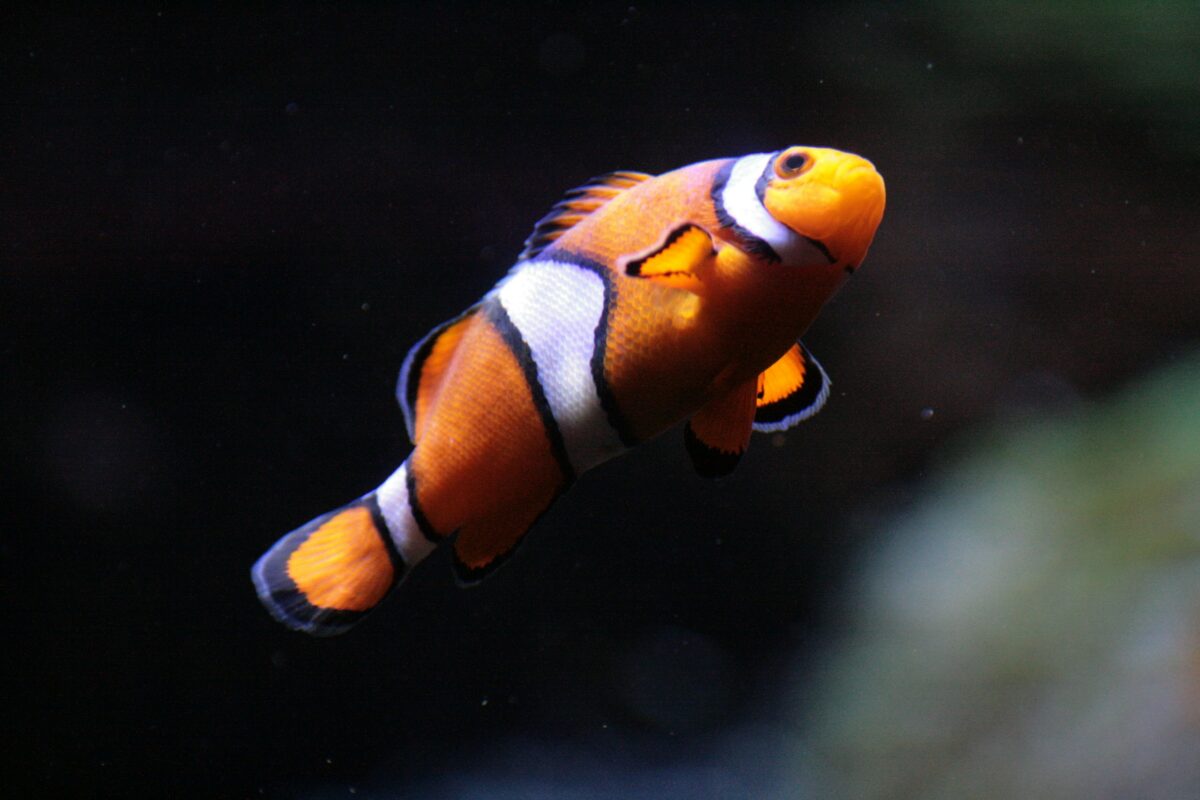
The sections below explain the key factors you should consider before adding any new fish to your clownfish aquarium.
Understanding Clownfish Temperament
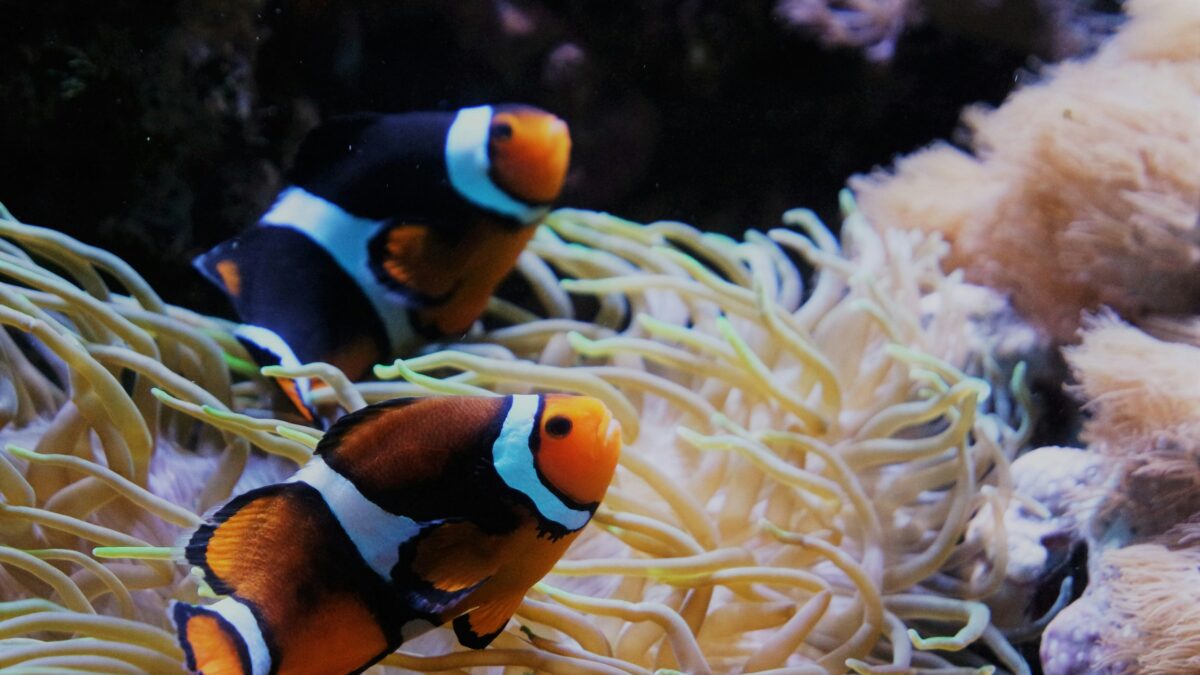
Clownfish may be small, but they are confident, territorial fish. They often defend their space, especially if they have claimed a hosting anemone or a favorite corner of the tank. While many clownfish can live peacefully in community aquariums, they may chase or nip tank mates that seem threatening, overly active, or too interested in the same territory.
Temperament also depends on the species. Ocellaris and Percula clownfish are generally more community-friendly, while Maroon clownfish are larger and are known for being more aggressive, especially in smaller tanks or when defending a territory.
Before choosing tank mates, identify which clownfish species you have and plan your stocking list based on their typical behavior.
Compatibility Factors: Size, Aggression, and Territory
When selecting tank mates, the goal is to reduce conflict and avoid competition. Keep these factors in mind:
- Size is not the only factor: Do not assume fish must be smaller than clownfish. A slightly larger but peaceful fish can be a better match than a smaller, pushy, or fast-moving species.
- Avoid direct competitors: Fish that want the same space and hiding areas can trigger territorial behavior, especially in smaller aquariums.
- Match temperament: Peaceful to semi-peaceful species usually do best. Highly territorial, nippy, or overly aggressive fish are more likely to cause problems unless the tank is large and structured with lots of rockwork and hiding spots.
A quick rule of thumb is to prioritize fish that are calm, not overly territorial, and unlikely to bully or outcompete clownfish at feeding time.
Water Parameters and Reef-Safe Considerations
Clownfish are hardy and adaptable, but successful tank mates should share similar environmental needs. Common ranges for clownfish systems include:
- Temperature: 72 to 80 F
- Specific gravity: 1.020 to 1.026
- pH: 8.0 to 8.4
If you keep a reef tank, reef safety matters. Some fish may coexist with clownfish but still cause problems by nipping corals or eating ornamental invertebrates. Always confirm whether a species is considered reef-safe and understand that individual behavior can vary.
Maintaining stable water parameters is easier with quality reef salt, proper filtration media, and a consistent maintenance routine, especially in community tanks.
Also consider tank size and swimming needs. Many popular marine fish require more space than clownfish. Stocking fish that outgrow the aquarium often leads to stress, aggression, and poor long-term health.
Guidance on clownfish behavior and environmental needs is supported by a welfare-focused report from Ornamental Fish International, which highlights the importance of stable conditions, appropriate space, and compatible tank mates when keeping clownfish in captivity.
Video Guide: Clownfish Care
If you prefer learning visually or want to reinforce the information in this guide, the video below covers essential clownfish care basics, including proper tank setup and placement considerations. Understanding where to place your aquarium and how to maintain a stable environment are key to reducing stress, aggression, and long-term health issues in clownfish and their tank mates.
This video is especially helpful for beginners, but even experienced aquarists can benefit from reviewing best practices that support a calm, well-balanced community tank.
Checklist Before You Choose a Tank Mate
Below is a quick checklist to review before you add any fish to your clownfish tank.
| Question | Ideal Answer |
|---|---|
| Is the fish peaceful or semi-peaceful? | Yes |
| Does it use a different part of the tank than clownfish? | Yes |
| Is it reef-safe for your setup? | Yes |
| Does it match clownfish water parameters? | Yes |
| Can your tank support its adult size and space needs? | Yes |
| Is it likely to bully or outcompete clownfish for food? | No |
13 Best Clownfish Tank Mates (By Species Type)
The 13 clownfish tank mates below are grouped by behavior and swimming zone to make choosing the right companion easier. Each species includes guidance for both beginner and experienced fishkeepers, highlighting not only why the fish can be kept with clownfish but also the conditions required for long-term success.
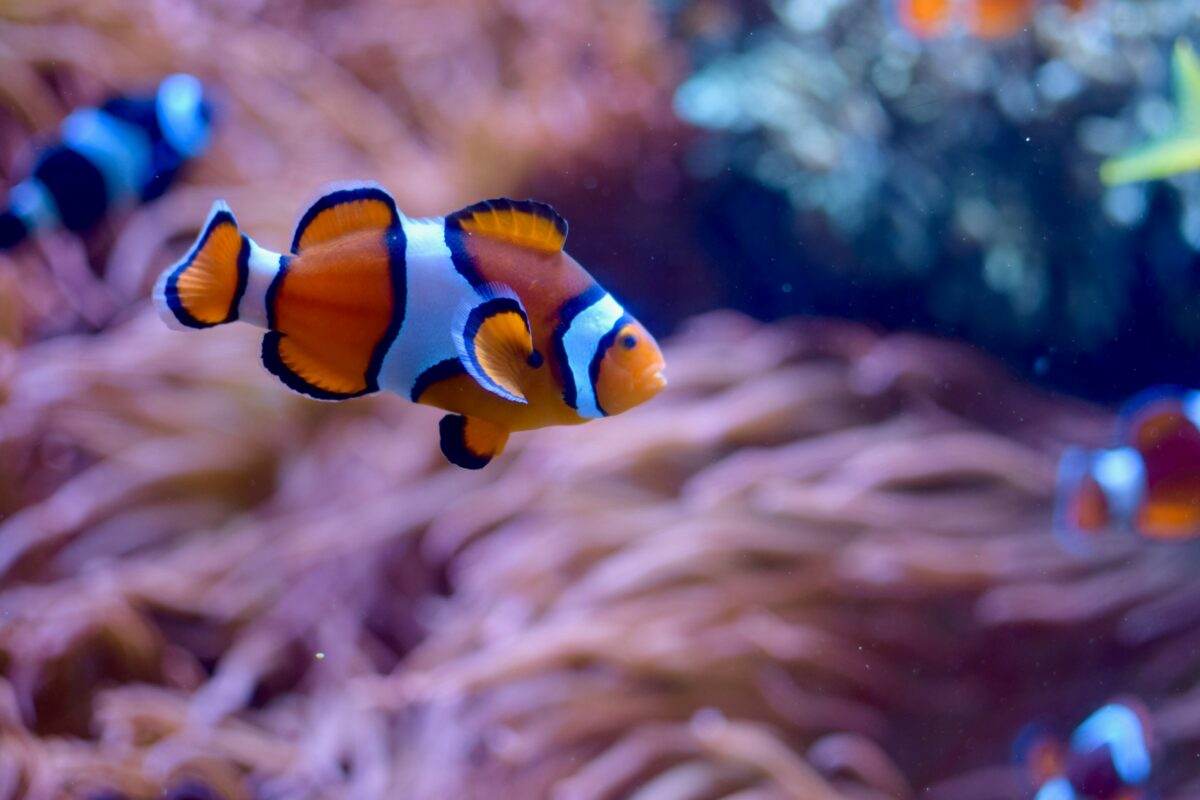
While all of these fish are compatible under the right circumstances, some are better suited to larger tanks or more advanced setups, which is clearly noted throughout the list.
Peaceful Bottom-Dwellers
These bottom-feeder fish spend most of their time near the sand bed or tucked into rockwork, which helps minimize territorial conflicts with clownfish. Their calm behavior and low aggression make them ideal choices for beginners, nano reefs, and community aquariums where stability and harmony are the top priorities.
1. Mandarinfish
The mandarinfish, also known as the mandarin dragonet, is one of the most visually striking fish you can keep with clownfish. Its peaceful temperament and tendency to stay close to the rockwork make it a compatible tank mate, but it is best suited for aquarists who understand its specialized care needs.
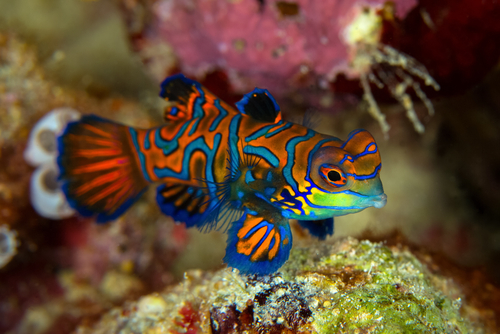
- Scientific name: Synchiropus splendidus
- Adult size: 3 to 4 inches
- Temperament: Peaceful
- Swimming zone: Bottom and rockwork
- Minimum tank size: 30 gallons (larger preferred)
- Reef safe: Yes
Mandarinfish and clownfish generally ignore each other, as they occupy different areas of the aquarium and do not compete for territory. This makes them a good behavioral match when tank conditions are appropriate.
Beginner Fishkeeper Tip
- Only add a mandarinfish to a mature aquarium that has been running for several months.
- Ensure there is plenty of live rock to support natural copepod populations.
- Do not rely on standard flake or pellet foods, as many mandarinfish will not accept them.
Advanced Fishkeeper Tip
- Maintain a refugium or regularly seed the tank with live copepods to support long-term feeding.
- Limit competition from other pod-eating fish to prevent starvation.
- Consider captive-bred mandarinfish, which are more likely to accept prepared foods and adapt to aquarium life.
Things to Watch Out For
- Weight loss or a sunken belly, which indicates insufficient food.
- Adding mandarinfish to new or sterile tanks with low microfauna.
- Keeping multiple mandarinfish together unless the tank is large and well-established.
2. Tailspot Blenny
The tailspot blenny is a small, personality-filled fish that makes an excellent tank mate for clownfish. Its peaceful nature, compact size, and preference for rockwork allow it to coexist without competing for territory, making it a great option for both beginner and experienced reef keepers.
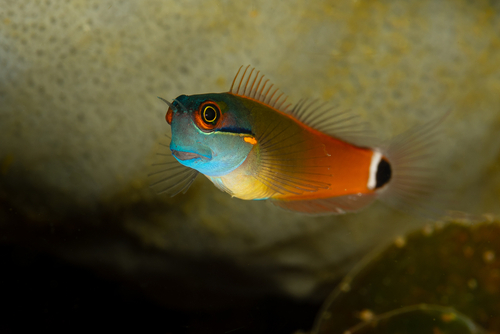
- Scientific name: Ecsenius stigmatura
- Adult size: 2 to 2.5 inches
- Temperament: Peaceful
- Swimming zone: Bottom and rockwork
- Minimum tank size: 20 gallons
- Reef safe: Yes
Tailspot blennies typically keep to themselves and spend their time perched on rocks or darting between crevices. Because clownfish occupy different areas of the tank, conflicts are rare when both species have adequate space.
Beginner Fishkeeper Tip
- Provide plenty of live rock with holes and crevices for perching and hiding.
- Offer a varied diet that includes algae-based foods and occasional meaty supplements.
- Expect shy behavior at first, which usually fades as the fish settles in.
Advanced Fishkeeper Tip
- Avoid housing with other blennies or similarly shaped fish in smaller tanks to prevent territorial disputes.
- Encourage natural algae growth to supplement feeding and reduce reliance on prepared foods.
- Stable water parameters help prevent stress-related aggression.
Things to Watch Out For
- Territorial behavior if another fish invades its preferred rock perch.
- Insufficient algae availability in very clean tanks.
- Jumping in tanks without a secure lid, especially during initial acclimation.
3. Neon Goby
The neon goby is a small, peaceful fish that is well known for its cleaning behavior and compatibility with community reef tanks. Its calm nature and tiny size make it an excellent tank mate for clownfish, especially in nano and smaller aquariums.
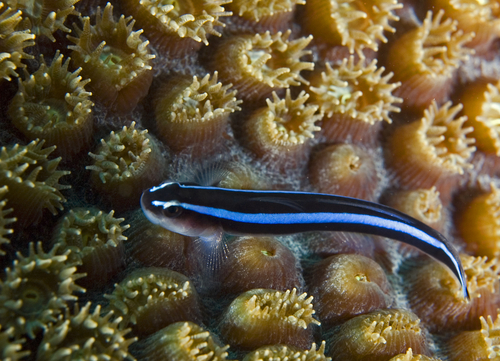
- Scientific name: Elacatinus oceanops
- Adult size: Around 2 inches
- Temperament: Peaceful
- Swimming zone: Bottom and rockwork
- Minimum tank size: 10 gallons
- Reef safe: Yes
Neon gobies rarely interact negatively with clownfish and often go unnoticed due to their non-aggressive behavior. Their presence can even benefit tank health by helping reduce external parasites on other fish.
Beginner Fishkeeper Tip
- Neon gobies are hardy and adapt well to aquarium life, making them suitable for first-time reef keepers.
- Feed small meaty foods such as frozen brine shrimp or mysis.
- Provide rockwork or coral branches for perching.
Advanced Fishkeeper Tip
- While they may act as cleaner fish, do not rely on them as a substitute for quarantine.
- They can be kept singly or as a bonded pair in larger systems.
- Captive-bred specimens are widely available and preferred.
Things to Watch Out For
- Being outcompeted for food by faster or more aggressive tank mates.
- Stress in high-flow environments without calm resting spots.
- Predation risk from very large or aggressive fish.
4. Court Jester Goby
The court jester goby is a peaceful, bottom-dwelling fish that spends much of its time sifting sand and exploring the lower areas of the aquarium. Its gentle behavior and small size make it a good companion for clownfish in well-established reef tanks.
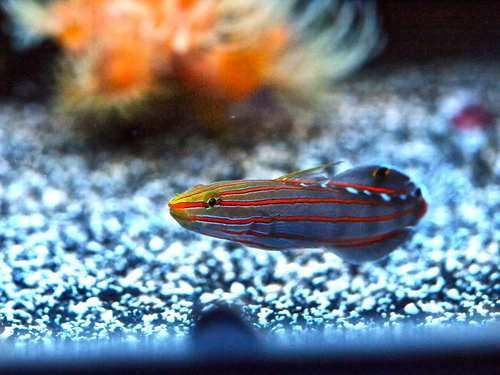
- Scientific name: Amblygobius hectori
- Adult size: Up to 3 inches
- Temperament: Peaceful
- Swimming zone: Bottom
- Minimum tank size: 10 gallons
- Reef safe: Yes
Court jester gobies and clownfish coexist well because they use different areas of the tank and do not compete for territory. This goby is best suited for tanks with a sandy substrate and stable conditions.
Beginner Fishkeeper Tip
- Provide a fine sand bed for natural sifting behavior.
- Feed small sinking foods and frozen preparations.
- Avoid adding to very new tanks without established microfauna.
Advanced Fishkeeper Tip
- Supplement feeding with live or enriched frozen foods to prevent weight loss.
- Maintain a mature tank to support natural foraging.
- Observe feeding closely, as they can be shy eaters.
Things to Watch Out For
- Starvation in tanks with limited food availability.
- Stress caused by aggressive or overly active tank mates.
- Lack of sand, which can limit natural behavior.
5. Yellow Watchman Goby
The yellow watchman goby is a hardy and personable bottom-dweller that is commonly kept in reef aquariums. Its bold yet peaceful temperament allows it to coexist well with clownfish, especially in tanks with adequate rockwork and a sandy substrate.
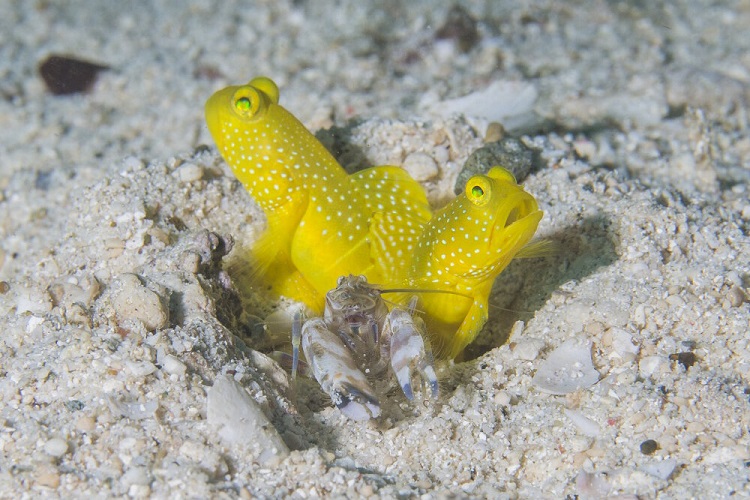
- Scientific name: Cryptocentrus cinctus
- Adult size: 3 to 4 inches
- Temperament: Peaceful to semi-peaceful
- Swimming zone: Bottom
- Minimum tank size: 20 gallons
- Reef safe: Yes
Yellow watchman gobies typically establish a burrow and remain close to it, which helps reduce interaction with clownfish. This natural separation of space makes them a reliable tank mate choice.
Beginner Fishkeeper Tip
- Provide a sandy substrate and stable rockwork.
- Offer sinking pellets and frozen foods to ensure proper nutrition.
- Expect the goby to claim a single area of the tank as its home.
Advanced Fishkeeper Tip
- Pairing with a pistol shrimp can encourage natural symbiotic behavior.
- Ensure rock structures are secure to prevent collapses caused by burrowing.
- Introduce the goby before more territorial fish when possible.
Things to Watch Out For
- Jumping from uncovered tanks.
- Burrowing under unsecured rockwork.
- Competition for food in heavily stocked aquariums.
Colorful Mid-Level Swimmers
Mid-level swimmers add movement and color to the aquarium without directly competing with clownfish for territory. These species tend to be peaceful, slow-moving, or shy, allowing them to coexist well in community tanks while enhancing visual interest in the center of the aquarium.
6. Magnificent Dartfish
The magnificent dartfish is a graceful, brightly colored fish that adds movement to the middle areas of the aquarium. Its shy and peaceful nature makes it a good tank mate for clownfish, as long as the tank is properly covered and aggression is kept to a minimum.
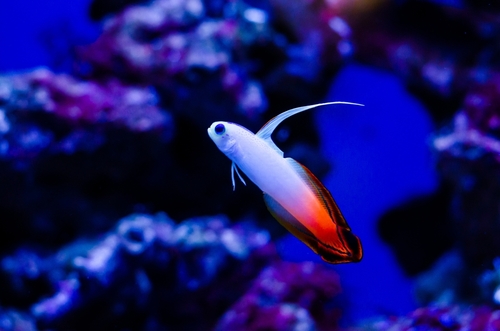
- Scientific name: Nemateleotris magnifica
- Adult size: Around 3 inches
- Temperament: Peaceful
- Swimming zone: Mid-level and near rockwork
- Minimum tank size: 20 gallons
- Reef safe: Yes
Magnificent dartfish and clownfish generally coexist without issues because they prefer different areas of the tank. Dartfish are more likely to retreat than confront, which helps prevent territorial disputes.
Beginner Fishkeeper Tip
- Always use a tight-fitting lid, as dartfish are known jumpers.
- Provide caves or overhangs so the fish has a place to retreat when startled.
- Keep tank mates peaceful to reduce stress.
Advanced Fishkeeper Tip
- Avoid keeping multiple dartfish unless the tank is large and they are a bonded pair.
- Introduce dartfish early in the stocking order to help them establish hiding spots.
- Low to moderate flow zones help them feel secure.
Things to Watch Out For
- Jumping from uncovered or poorly sealed tanks.
- Chronic stress when housed with aggressive or fast-moving fish.
- Intraspecies aggression if more than one dartfish is added.
7. Pajama Cardinalfish
The pajama cardinalfish is a calm, slow-moving species that brings color and personality to the middle areas of the aquarium. Its peaceful temperament makes it an excellent tank mate for clownfish, particularly in community reef setups.
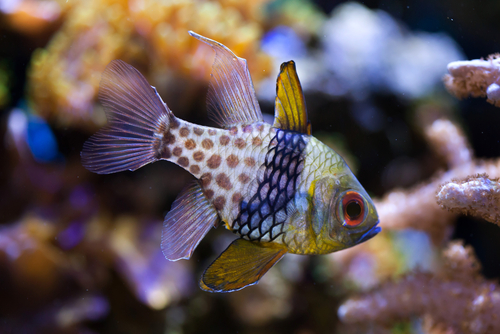
- Scientific name: Sphaeramia nematoptera
- Adult size: Around 3 inches
- Temperament: Peaceful
- Swimming zone: Mid-level
- Minimum tank size: 20 gallons
- Reef safe: Yes
Pajama cardinalfish and clownfish coexist well because both species are non-competitive and relatively slow swimmers. Cardinals tend to hover calmly in open water or near rockwork, avoiding direct interaction.
Beginner Fishkeeper Tip
- These fish adapt well to captive diets and are easy to feed.
- Provide low-flow areas where they can hover comfortably.
- Keep lighting moderate to reduce stress.
Advanced Fishkeeper Tip
- They can be kept singly or in small groups if the tank is large enough.
- Nighttime feeding can help ensure they get adequate nutrition in busy tanks.
- Captive-bred specimens are widely available and recommended.
Things to Watch Out For
- Being outcompeted for food by aggressive feeders.
- Stress in high-flow or overly bright tanks.
- Predation risk from large or aggressive species.
8. Banggai Cardinalfish
The Banggai cardinalfish is one of the most popular clownfish tank mates due to its peaceful nature and reef-safe behavior. Its distinctive appearance and calm swimming style make it a reliable addition to community aquariums.
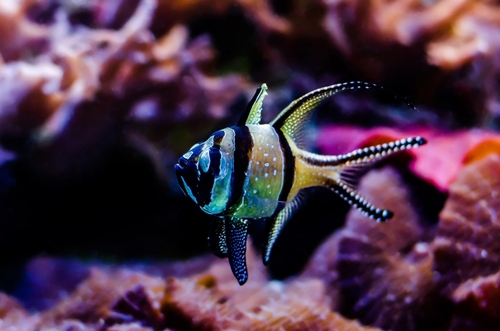
- Scientific name: Pterapogon kauderni
- Adult size: Around 3 inches
- Temperament: Peaceful
- Swimming zone: Mid-level
- Minimum tank size: 30 gallons
- Reef safe: Yes
Banggai cardinalfish typically ignore clownfish and prefer to hover quietly near rock structures. This natural separation of behavior helps prevent territorial disputes.
Beginner Fishkeeper Tip
- Keep a single specimen unless the tank is large.
- Feed small frozen or prepared meaty foods.
- Provide gentle flow and shaded areas.
Advanced Fishkeeper Tip
- Banggai cardinalfish can become aggressive toward their own species, especially in pairs.
- Captive-bred individuals are hardier and reduce pressure on wild populations.
- Stable water parameters are key to long-term success.
Things to Watch Out For
- Intraspecies aggression if multiple individuals are kept.
- Stress caused by aggressive tank mates.
- Poor feeding response in newly introduced specimens.
9. Royal Gramma (Basslet)
The royal gramma is a vibrant and confident fish that adds bold color to the mid and lower regions of the aquarium. While generally peaceful, it can be territorial toward similar-looking fish, making it a compatible but assertive tank mate for clownfish.
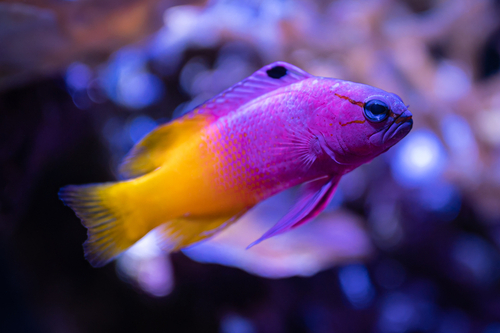
- Scientific name: Gramma loreto
- Adult size: Around 3 inches
- Temperament: Peaceful to semi-aggressive
- Swimming zone: Mid-level and rockwork
- Minimum tank size: 30 gallons
- Reef safe: Yes
Royal grammas usually establish a small territory within rockwork and tend to leave clownfish alone once boundaries are set. Adequate hiding spaces help reduce territorial behavior.
Beginner Fishkeeper Tip
- Provide caves and overhangs for security.
- Expect shy behavior initially.
- Introduce peaceful tank mates first.
Advanced Fishkeeper Tip
- Add royal grammas later in the stocking order to minimize aggression.
- Avoid housing with similar-shaped or colored fish in smaller tanks.
- Rockwork layout can greatly influence territorial behavior.
Things to Watch Out For
- Territorial disputes in cramped or sparsely decorated tanks.
- Aggression toward new additions introduced after the grammas.
- Stress if hiding places are limited.
Semi-Aggressive But Compatible Species
These fish can live successfully with clownfish, but they require more planning, space, or experience. While generally compatible, their size, confidence, or territorial instincts mean they are best suited for larger tanks or aquarists who are comfortable managing fish behavior and stocking order.
10. Yellow Tang
The yellow tang is a bold, active fish that can coexist well with clownfish in larger aquariums. While generally peaceful toward clownfish, its size and constant swimming behavior mean it is best suited for spacious tanks with plenty of open swimming room.
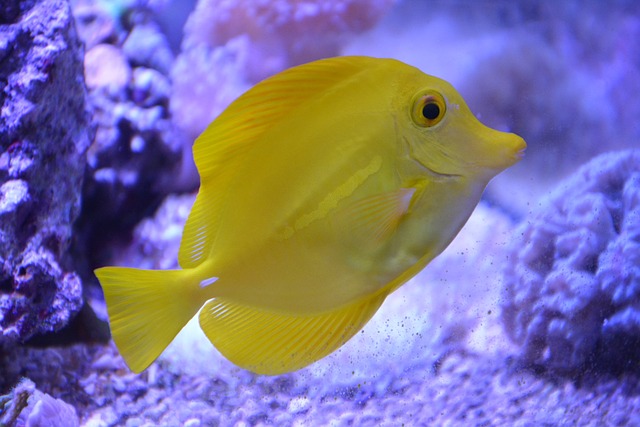
- Scientific name: Zebrasoma flavescens
- Adult size: 7 to 8 inches
- Temperament: Semi-aggressive
- Swimming zone: Mid-level and open water
- Minimum tank size: 75 gallons
- Reef safe: Yes
Yellow tangs typically ignore clownfish, as they focus on grazing algae and swimming throughout the tank. Problems usually arise only when space is limited or when multiple tangs are kept together.
Beginner Fishkeeper Tip
- Only add a yellow tang to a tank that meets its minimum size requirement.
- Provide ample swimming space and high-quality algae-based foods.
- Avoid housing with other tangs in smaller systems.
Advanced Fishkeeper Tip
- Strong water flow and frequent feeding help reduce stress and aggression.
- Introduce tangs after more peaceful fish to prevent territorial dominance.
- Consistent algae availability supports long-term health.
Things to Watch Out For
- Aggression toward other tangs or similar-shaped fish.
- Stress and disease in undersized tanks.
- Insufficient vegetable matter in the diet.
11. Pygmy Angelfish
Pygmy angelfish are colorful and active fish that can live with clownfish under the right conditions. While visually appealing, they are semi-aggressive and require careful planning, making them better suited for experienced aquarists or larger reef systems.
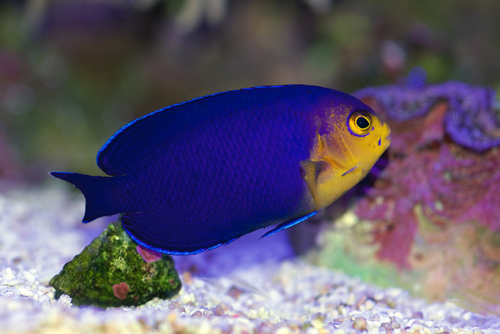
- Scientific name: Centropyge species
- Adult size: 3 to 4 inches
- Temperament: Semi-aggressive
- Swimming zone: Mid-level and rockwork
- Minimum tank size: 55 to 70 gallons
- Reef safe: With caution
Pygmy angelfish usually leave clownfish alone but may become territorial in smaller tanks or crowded environments. Their behavior can vary significantly between individuals.
Beginner Fishkeeper Tip
- Keep only one pygmy angelfish per tank.
- Provide plenty of live rock for grazing and hiding.
- Monitor interactions closely during the first few weeks.
Advanced Fishkeeper Tip
- Some individuals may nip at corals despite being labeled reef safe.
- Add the angelfish after more timid species have settled.
- Stable water quality helps reduce aggressive behavior.
Things to Watch Out For
- Coral nipping, especially on fleshy corals.
- Territorial behavior in smaller tanks.
- Chasing slower or shy fish.
12. Flame Hawkfish
The flame hawkfish is a bold, perch-loving fish that can coexist with clownfish when given enough space. While generally compatible, its predatory instincts and territorial behavior place it firmly in the advanced category.
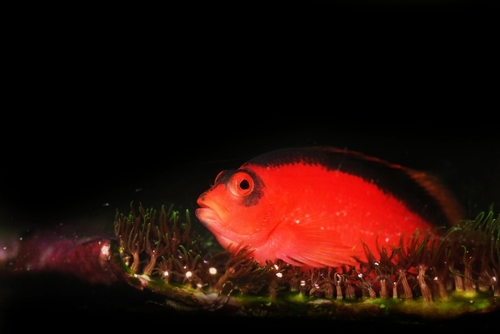
- Scientific name: Neocirrhitus armatus
- Adult size: 3 to 3.5 inches
- Temperament: Semi-aggressive
- Swimming zone: Rockwork and mid-level
- Minimum tank size: 40 gallons
- Reef safe: With caution
Flame hawkfish usually ignore clownfish but may prey on small ornamental shrimp or become territorial around their favorite perches.
Beginner Fishkeeper Tip
- Avoid keeping with small shrimp or tiny fish.
- Provide multiple perching spots throughout the tank.
- Add the hawkfish after the peaceful species are established.
Advanced Fishkeeper Tip
- Well-fed hawkfish are less likely to harass tank mates.
- Rockwork layout can help break line-of-sight aggression.
- Observe interactions closely after the introduction.
Things to Watch Out For
- Predation on shrimp and small crustaceans.
- Territorial behavior in confined spaces.
- Jumping from uncovered tanks.
13. Royal Dottyback
The royal dottyback is a striking fish with intense coloration and a bold personality. While it can live with clownfish, its aggressive tendencies mean it should only be considered by experienced aquarists with well-planned tanks.
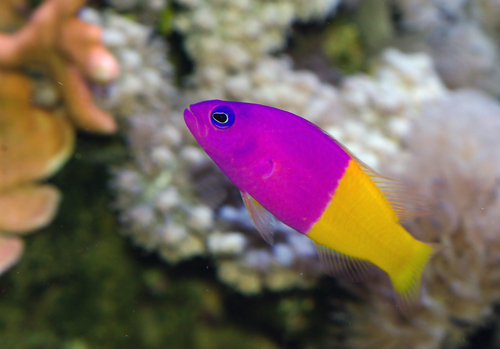
- Scientific name: Pictichromis paccagnella
- Adult size: Around 3 inches
- Temperament: Aggressive
- Swimming zone: Rockwork and mid-level
- Minimum tank size: 30 gallons (larger preferred)
- Reef safe: Yes
Royal dottybacks may tolerate clownfish but can become highly territorial toward smaller or more passive tank mates. Careful stocking order and plenty of hiding spaces are essential.
Beginner Fishkeeper Tip
- This species is not recommended for first-time reef keepers.
- Ensure the tank has abundant rockwork and hiding areas.
- Avoid mixing with other small, timid fish.
Advanced Fishkeeper Tip
- Captive-bred dottybacks are often less aggressive than wild-caught specimens.
- Add the dottyback last to reduce territorial dominance.
- Use rock structures to create defined territories.
Things to Watch Out For
- Bullies smaller or shy fish.
- Defends territory aggressively.
- Difficulty removing once established.
Clownfish Tank Mate Compatibility Chart
Use the chart below to quickly compare the 13 best clownfish tank mates by temperament, tank size requirements, reef safety, and experience level. This overview is designed to help you narrow down the best options for your specific aquarium setup.
| Species | Temperament | Minimum Tank Size | Reef Safe | Experience Level |
|---|---|---|---|---|
| Mandarinfish | Peaceful | 30 gallons+ | Yes | Intermediate |
| Tailspot Blenny | Peaceful | 20 gallons | Yes | Beginner |
| Neon Goby | Peaceful | 10 gallons | Yes | Beginner |
| Court Jester Goby | Peaceful | 10 gallons | Yes | Intermediate |
| Yellow Watchman Goby | Peaceful | 20 gallons | Yes | Beginner |
| Magnificent Dartfish | Peaceful | 20 gallons | Yes | Beginner |
| Pajama Cardinalfish | Peaceful | 20 gallons | Yes | Beginner |
| Banggai Cardinalfish | Peaceful | 30 gallons | Yes | Beginner |
| Royal Gramma | Semi-peaceful | 30 gallons | Yes | Beginner to Intermediate |
| Yellow Tang | Semi-aggressive | 75 gallons | Yes | Intermediate |
| Pygmy Angelfish | Semi-aggressive | 55–70 gallons | With caution | Intermediate |
| Flame Hawkfish | Semi-aggressive | 40 gallons | With caution | Intermediate |
| Royal Dottyback | Aggressive | 30 gallons+ | Yes | Advanced |
Best Clownfish Tank Mates by Tank Size
Tank size plays a major role in clownfish compatibility. Even peaceful fish can become aggressive when space is limited, while larger tanks allow for better territory separation and natural behavior. Use the recommendations below as a general guide, and always consider adult size and activity level before adding new fish.
Best Tank Mates for a 20-Gallon Aquarium
In a 20-gallon tank, space is limited, so it is important to choose small, peaceful fish that do not compete with clownfish for territory or swimming room.
- Tailspot Blenny
- Neon Goby
- Magnificent Dartfish
- Pajama Cardinalfish
- Yellow Watchman Goby
Avoid semi-aggressive species and fast, constantly swimming fish in tanks of this size, as they can easily stress clownfish and other tank mates.
Best Tank Mates for a 55-Gallon Aquarium
A 55-gallon tank provides significantly more flexibility, allowing for a mix of peaceful and moderately assertive species. Proper rockwork and hiding spaces are still essential.
- Mandarinfish (in mature systems)
- Banggai Cardinalfish
- Royal Gramma
- Pajama Cardinalfish
- Pygmy Angelfish (with caution)
- Flame Hawkfish (with caution)
While this tank size can support more active fish, stocking order and temperament matching remain important to prevent territorial disputes.
Compatible Fish for 75+ Gallon Reef Setups
Larger aquariums offer the best environment for mixing clownfish with more active or semi-aggressive species. The added space helps diffuse aggression and supports natural behavior.
- Yellow Tang
- Pygmy Angelfish
- Flame Hawkfish
- Royal Dottyback (advanced aquarists only)
- All previously listed peaceful species
In tanks of this size, careful aquascaping and strategic stocking order can make even semi-aggressive species manageable.
Tank Mates to Avoid with Clownfish
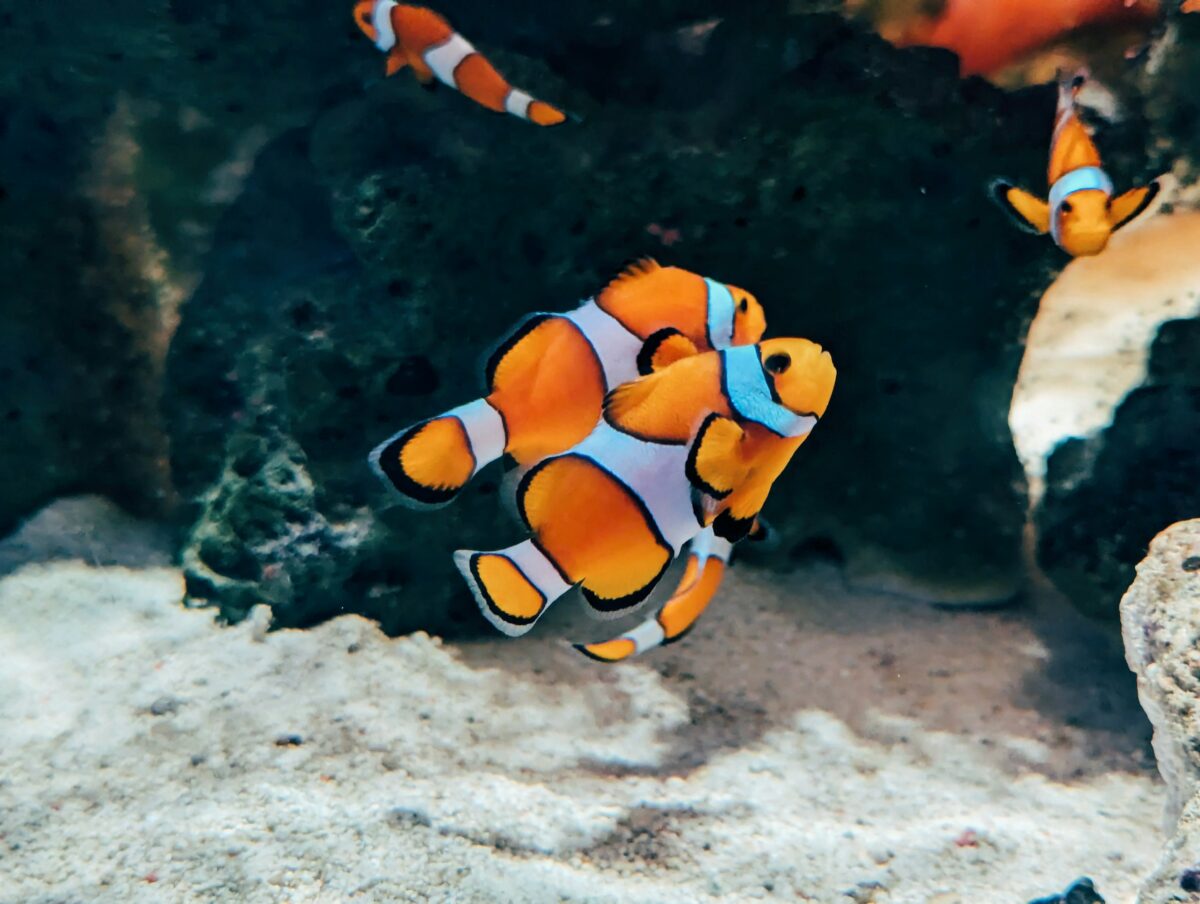
Not all fish are suitable tank mates for clownfish. Some species are too aggressive, too predatory, or incompatible with reef environments. Avoiding these fish can prevent stress, injury, and livestock loss.
Highly Aggressive Species
- Triggerfish
- Large Damselfish species
- Some large wrasses
- Groupers
These fish often dominate tanks and may harass or injure clownfish, especially in smaller aquariums.
Predators and Coral-Nippers
- Lionfish
- Groupers
- Large Hawkfish species
- Many Butterflyfish species
Predatory fish may view clownfish as prey, while coral-nippers can damage reef systems and create long-term compatibility issues.
Incompatible Clownfish Variants
- Multiple Maroon Clownfish
- Mixing different clownfish species in small tanks
- Adding new clownfish to an established pair
Clownfish establish strict social hierarchies. Introducing incompatible individuals often leads to aggression and injury.
Clownfish Compatibility FAQs
Choosing the right tank mates for clownfish can raise many questions, especially when tank size, temperament, and stocking order come into play. The answers below cover some of the most common compatibility concerns, but every aquarium is unique.
If you still have questions or want advice tailored to your setup, feel free to leave a comment below and share your tank details.
Can I mix clownfish with other clownfish?
In most home aquariums, it is best to keep only one clownfish or a bonded pair. Mixing multiple clownfish or different species often leads to territorial aggression unless the tank is very large and carefully managed.
Which fish are safe in a nano reef?
For nano reef tanks, stick to small, peaceful species that produce minimal waste and do not require large territories. Good options include neon gobies, tailspot blennies, and magnificent dartfish.
How do I introduce new tank mates safely?
Always quarantine new fish before introduction. Add peaceful species first and semi-aggressive fish later. Rearranging rockwork before adding a new fish can help reduce territorial behavior. Monitor interactions closely during the first few days.
7 Tips to Build a Peaceful Community Tank
Building a peaceful community tank with clownfish is less about choosing the most colorful fish and more about planning, patience, and understanding fish behavior. Even compatible species can become aggressive if their basic needs are not met.
- Start with the right tank size: Larger tanks provide more swimming room and help reduce territorial disputes. Avoid overcrowding, even with small fish. This aquarium volume calculator helps you determine how many gallons your tank holds.
- Plan your stocking order: Add peaceful and shy species first, followed by more confident or semi-aggressive fish later to limit dominance issues. Our aquarium stock calculator can be a helpful tool here.
- Create visual barriers: Use rockwork, caves, and overhangs to break lines of sight and allow fish to establish natural territories.
- Match temperaments carefully: Avoid mixing highly aggressive fish with peaceful species, even if the tank size seems sufficient.
- Maintain stable water quality: Consistent parameters reduce stress, which directly lowers the risk of aggression and illness.
- Feed appropriately and consistently: Well-fed fish are less likely to compete aggressively for food or territory.
- Quarantine and observe new arrivals: Quarantining new fish helps prevent disease and allows you to monitor behavior before introduction.
A peaceful aquarium is the result of careful planning and observation. Monitor fish behavior closely, especially during the first few weeks after adding new tank mates, and be prepared to make adjustments if necessary.
Resources for Further Reading
If you are planning a clownfish community tank or want to improve your overall aquarium success, the guides below cover some of the most common issues that affect fish health, behavior, and long-term stability.
- Common Fishkeeping Mistakes and How to Avoid Them
Learn about the most frequent errors aquarium owners make and how to prevent problems before they impact your fish. - How Often Should You Clean Your Fish Tank?
A practical guide to maintaining water quality without disrupting beneficial bacteria. - Choosing the Right Aquarium Substrate
Understand how substrate affects fish behavior, filtration, and compatibility, especially for bottom-dwelling species. - Best Location to Place Your Fish Tank
Learn how tank placement influences temperature stability, stress levels, and long-term success. - Reasons to Think Twice Before Getting a Fish
An honest look at the responsibilities of fishkeeping and whether it is the right choice for you.
Taking the time to understand these fundamentals will help you create a healthier, more stable environment for clownfish and their tank mates.
Share Your Clownfish Story
When compatibility is planned carefully, clownfish can thrive in peaceful, vibrant community tanks for many years. If you have experience keeping clownfish with other species, or if you have learned lessons through trial and error, share your thoughts in the comments below. Your experience may help other aquarists make better stocking decisions and avoid common mistakes.