When you purchase through links on our site, we may earn a commission. Here’s how it works.
Think aquarium plants are just decoration? Think again. For beginner fish keepers, the right plants help purify water, reduce algae, and create a calmer, healthier environment for fish.
Choosing plants for your first aquarium can feel overwhelming, and many beginners assume live plants are difficult or expensive to maintain. In reality, some of the easiest aquarium plants are also the most forgiving and require very little equipment or experience.
Table of Contents
In this guide, you will find a clear list of the best aquarium plants for beginner fish keepers, along with simple care and placement tips. None of these plants require CO2 injection or high-end lighting, making them ideal for low-maintenance tanks and first-time setups.
Why Aquarium Plants Matter (Especially for Beginners)
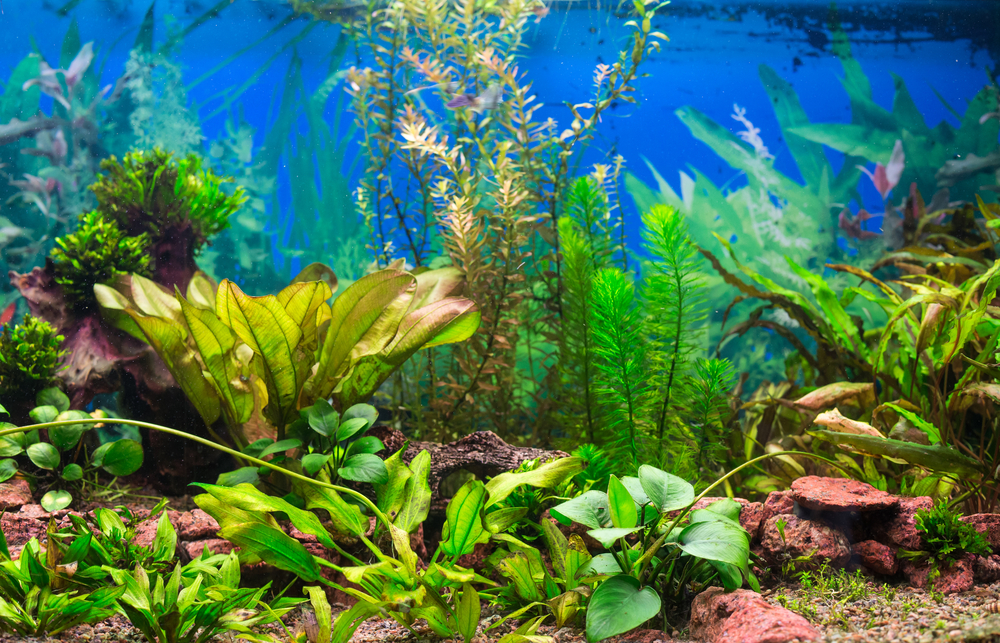
Many beginners think aquarium plants are optional or purely decorative, but live plants play a much larger role in the health and stability of a fish tank. In fact, a planted aquarium is often easier to maintain than a bare tank, especially for someone new to fishkeeping.
Live plants support your aquarium’s ecosystem by working alongside filtration and beneficial bacteria. They help manage waste, reduce stress for fish, and create a more natural environment that promotes long-term stability.
The Benefits of Live Plants for Your Fish and Water Quality
Live aquarium plants improve tank conditions in several important ways, many of which are especially helpful for beginners.
According to the Aquatic Gardeners Association, live aquarium plants play an important role in nutrient absorption and overall tank stability, making them especially helpful in beginner aquariums.
Key benefits of live plants include:
- Absorbs nitrates and other waste compounds that can harm fish
- Helping reduce algae by competing for excess nutrients
- Releasing oxygen during daylight hours
- Providing hiding places that reduce fish stress
- Creating visual barriers that limit aggression in community tanks
This video explains more about the best aquarium plants for beginners and why these species are well-suited for low-maintenance tanks.
Common Myths About Aquarium Plants Debunked
For beginners, one of the biggest advantages is that plants help buffer small mistakes. Slight overfeeding or delayed water changes are less likely to cause major problems in a planted aquarium.
There are several misconceptions that prevent beginners from trying live plants, even though many of them are easy to care for.
Common beginner myths include:
- Aquarium plants are difficult to keep alive
- All plants require CO2 injection
- Plants make aquariums harder to clean
- Plants compete with fish for oxygen
In reality, many beginner plants thrive in basic setups with standard lighting and no added CO2. Healthy plants often improve water clarity and oxygen levels rather than reduce them. Most maintenance involves simple trimming, not extra cleaning.
Choosing the Right Aquarium Plants as a Beginner
Not all aquarium plants are suitable for beginners, and choosing the wrong ones can lead to frustration early on. The goal is to start with plants that are resilient, adaptable, and proven to grow well in low-tech aquariums.
Choosing beginner-friendly plants helps build confidence and creates a stable foundation for your tank. More demanding plants can always be added later as your experience grows.
What Makes a Plant “Beginner-Friendly”?
Beginner-friendly aquarium plants share several traits that make them easier to grow and maintain.
Beginner-friendly plants typically:
- Tolerate a wide range of water parameters
- Grow well in low to moderate lighting
- Do not require CO2 injection
- Grow slowly or at a manageable pace
- Survive minor care mistakes without declining quickly
Some beginner plants also do not require substrate and can be attached to rocks or driftwood, which is helpful for tanks with gravel or decorative layouts.
Top Mistakes New Fish Keepers Make When Selecting Plants
Many beginner frustrations come from choosing the wrong plants rather than poor care. Understanding common mistakes can help you avoid unnecessary problems.
Common plant selection mistakes include:
- Choosing plants based on appearance rather than care needs
- Buying high-maintenance plants without realizing it
- Selecting plants that outgrow the aquarium
- Using lights designed only for fish viewing
- Expecting immediate growth or results
It is also common for new plants to lose leaves while adjusting to a new tank. This adjustment period is normal for many species and does not mean the plant has failed.
7 of the Best Aquarium Plants for Beginner Fish Keepers
Choosing plants for your first aquarium can feel confusing, especially when you are worried about keeping both fish and plants alive. The good news is that many aquarium plants are naturally hardy and well-suited for beginner setups. These plants tolerate common mistakes, grow well in basic conditions, and help stabilize the aquarium environment.
The following plants are widely considered some of the best choices for beginner fish keepers. They are easy to find, affordable, and proven to grow successfully in low-tech aquariums without advanced equipment.
1. Java Fern (Microsorum pteropus)
Java Fern is one of the most reliable plants for beginners and is often recommended as a first plant. It does not need to be planted in the substrate and actually grows best when attached to rocks or driftwood. This makes it ideal for aquariums with gravel or bare bottoms.
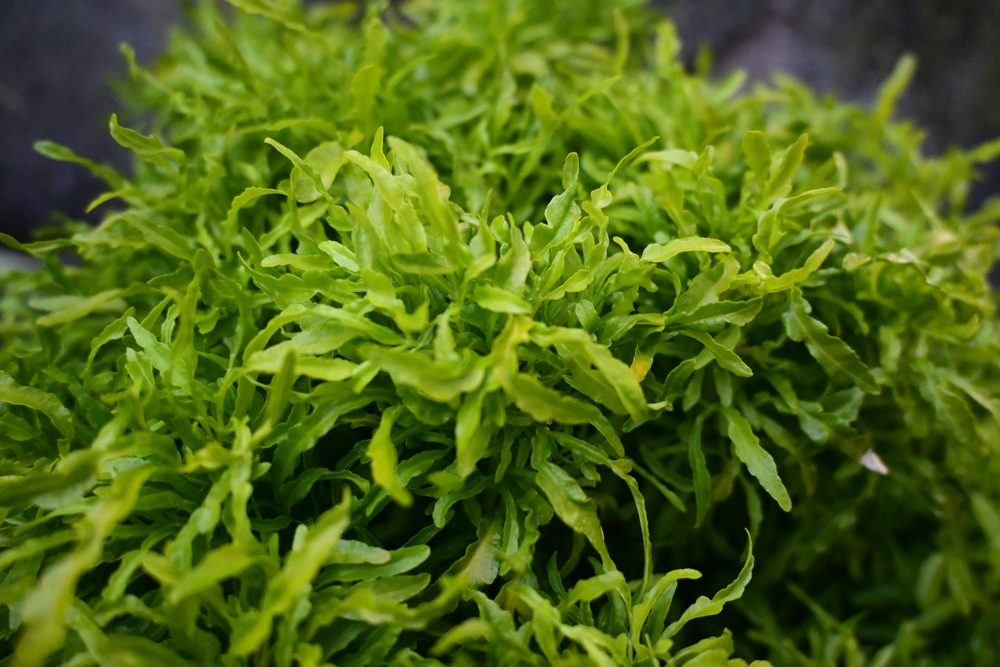
The plant grows slowly, which means it does not require frequent trimming or special care. Its tough leaves hold up well in a wide range of water conditions and are rarely eaten by fish.
Why This Plant Is Beginner-Friendly
- Very hardy and adaptable
- Grows in low to moderate light
- Does not require CO2 or a nutrient-rich substrate
- Slow growth reduces maintenance
Beginner Care Tips
- Attach the plant to the decor instead of burying it
- Keep the rhizome exposed to prevent rot
- Trim older leaves occasionally to encourage new growth
Best placement: Midground or background
Recommended tank size: 10 gallons or larger
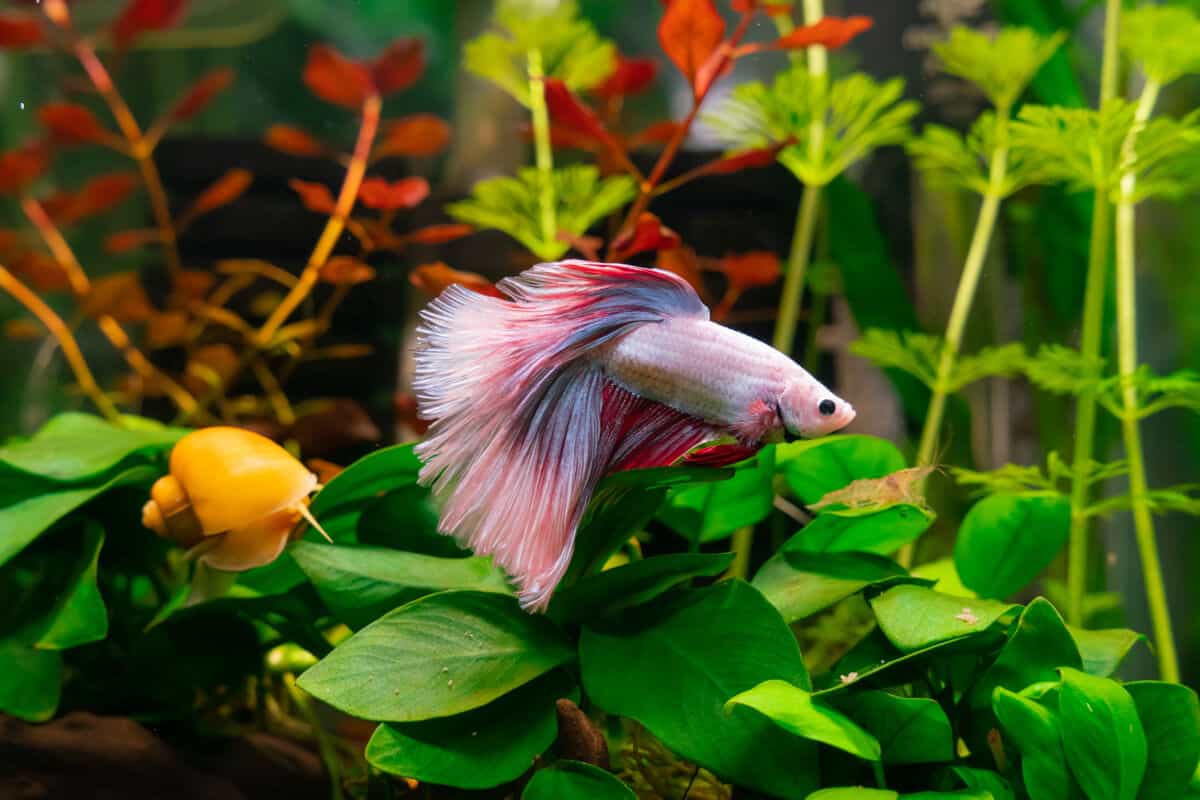
These plants are especially popular in betta tanks due to their low light needs. If you are planning a betta aquarium, a proper betta fish tank setup will help both plants and fish thrive.
2. Anubias (Anubias barteri, Anubias nana)
Anubias is one of the toughest aquarium plants available, making it an excellent choice for new fish keepers. It grows slowly and tolerates low light, inconsistent fertilization, and a wide range of water parameters.
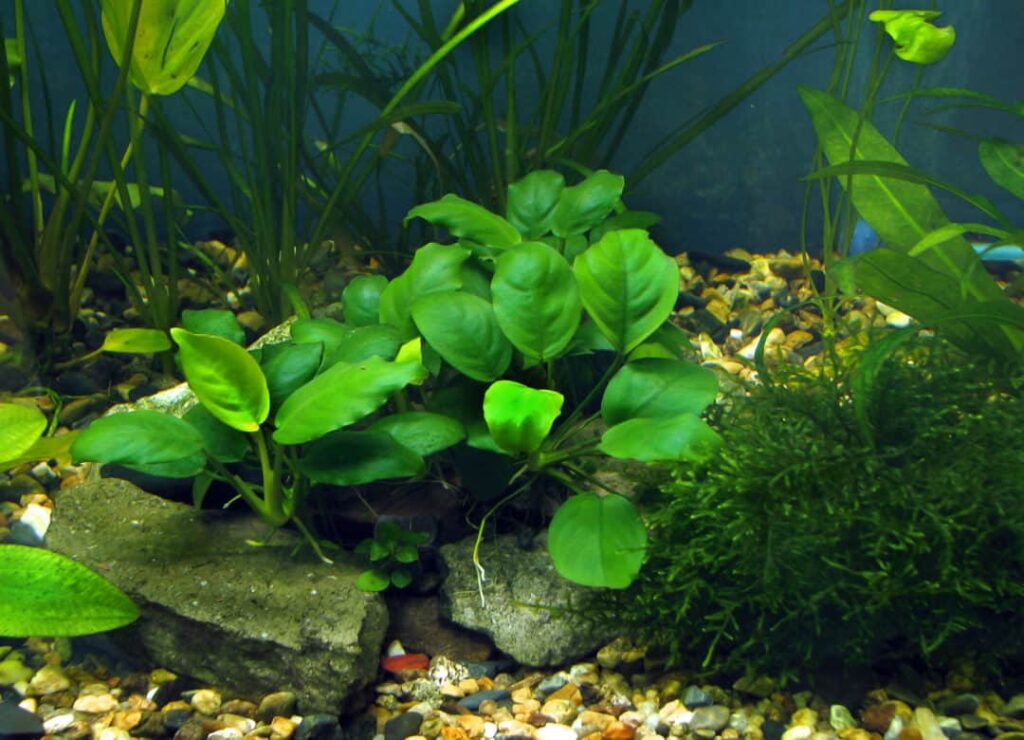
Like Java Fern, Anubias should not be planted in the substrate. It grows best when attached to rocks, driftwood, or decorations. Its thick leaves make it especially popular in betta tanks and community aquariums.
Why This Plant Is Beginner-Friendly
- Extremely low maintenance
- Thrives in low light
- Does not require a special substrate or CO2
- Resistant to damage from fish
Beginner care tips
- Attach the plant instead of planting it
- Expect slow but steady growth
- Keep lighting moderate to prevent algae on leaves
Best placement: Foreground or midground
Recommended tank size: 5 gallons or larger
3. Amazon Sword (Echinodorus amazonicus)
Amazon Sword is a classic aquarium plant that adds height and fullness to a tank. It is best suited for medium to large aquariums, as it can grow quite large once established. While it requires more root nutrition than some other beginner plants, it is still easy to care for with basic supplementation.
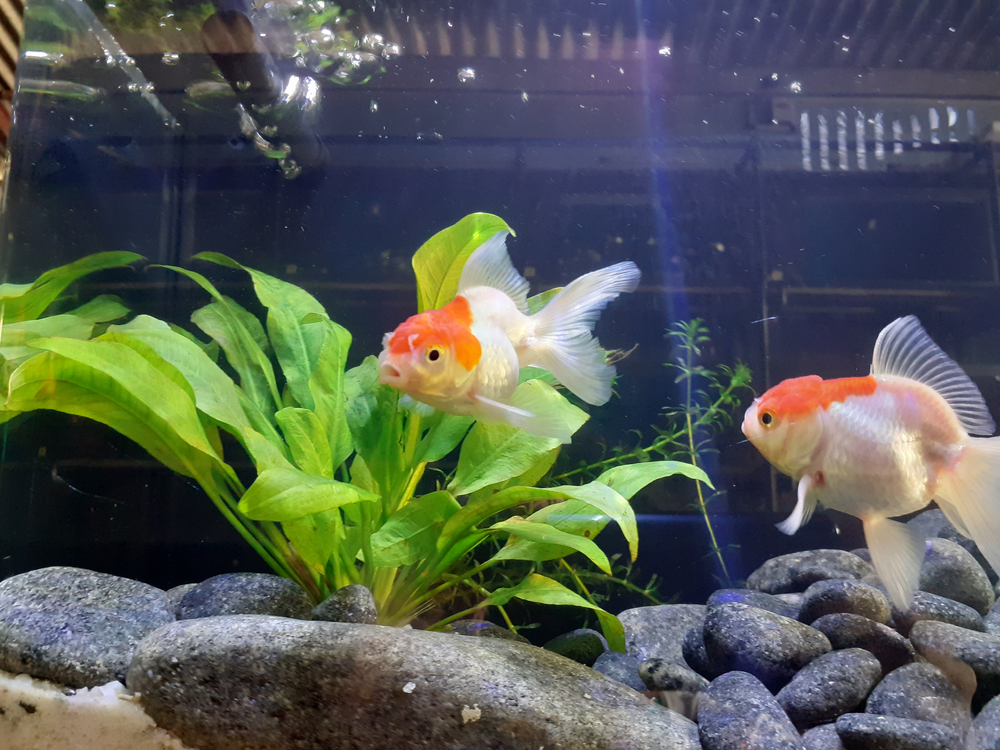
This plant provides excellent shelter for fish and helps create a natural-looking aquarium.
Why This Plant Is Beginner-Friendly
- Strong, attractive growth once established
- Provides cover for fish
- Easy to maintain with root tabs
Beginner care tips
- Plant in substrate and supplement with root tabs
- Use moderate lighting for healthy growth
- Expect some leaf loss when first planted
Best placement: Background
Recommended tank size: 20 gallons or larger
4. Java Moss (Taxiphyllum barbieri)
Java Moss is one of the most versatile aquarium plants available. It can be attached to decorations, allowed to float, or spread across surfaces. This flexibility makes it easy to work with in almost any aquarium setup.
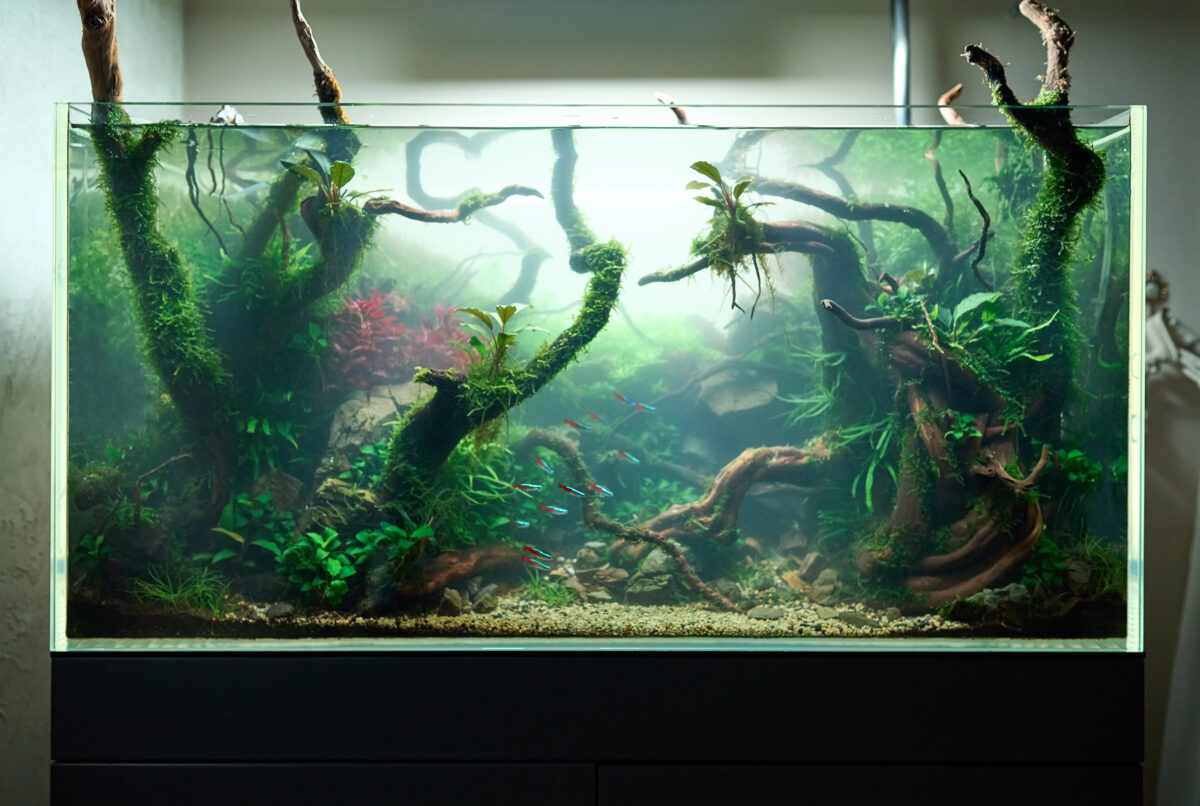
It is especially beneficial in tanks with shrimp or baby fish, as it provides dense cover and grazing surfaces.
Why This Plant Is Beginner-Friendly
- Grows in almost any condition
- No substrate, CO2, or special lighting required
- Excellent shelter for small fish and fry
Beginner care tips
- Attach loosely to hardscape or let it grow freely
- Clean gently to remove trapped debris
- Trim regularly to prevent overgrowth
Best placement: Foreground, hardscape, or floating
Recommended tank size: Any size
5. Water Sprite (Ceratopteris thalictroides)
Water Sprite is a fast-growing plant that can be planted in the substrate or floated on the surface. It is especially helpful in new aquariums because it absorbs excess nutrients, which can help reduce algae growth.
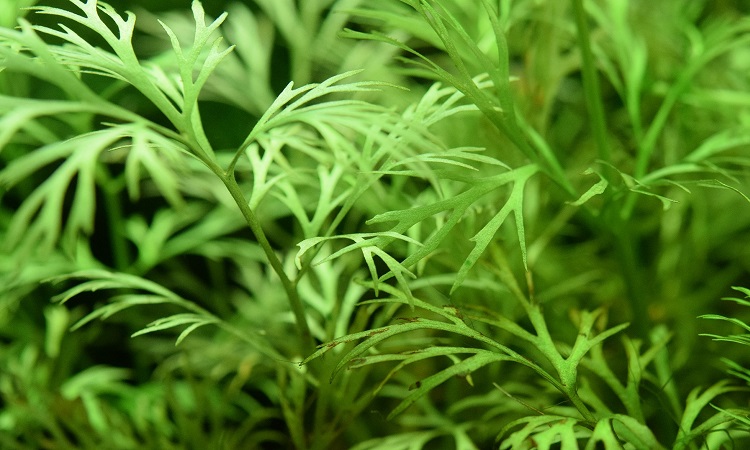
Its fine leaves create shade and hiding areas, making fish feel more secure.
Why This Plant Is Beginner-Friendly
- Rapid growth improves water quality
- Can be planted or floated
- Helps stabilize new tanks
Beginner care tips
- Trim regularly to prevent overcrowding
- Use moderate lighting for balanced growth
- Allow space for roots if planted
Best placement: Midground or floating
Recommended tank size: 10 gallons or larger
6. Cryptocoryne wendtii
Cryptocoryne wendtii is a popular beginner plant known for its textured leaves and compact size. It grows well in low light and adapts to a variety of substrates, making it suitable for simple aquarium setups.
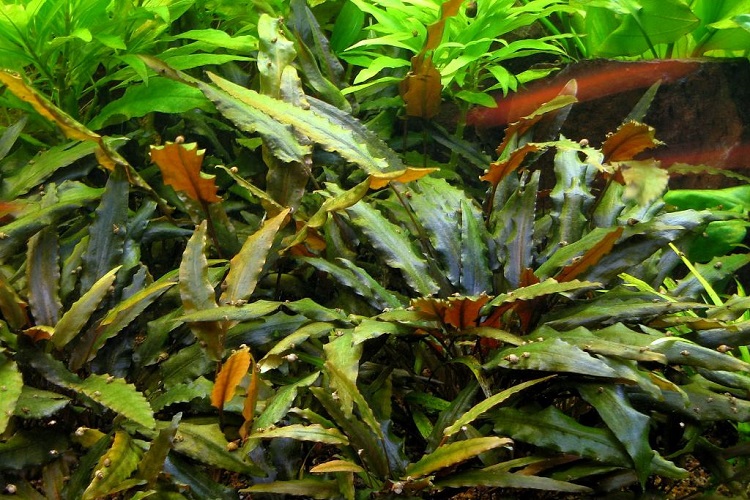
This plant is known to lose its leaves after being planted, a process often called melting. While this can worry beginners, the plant typically regrows once it adjusts.
Why This Plant Is Beginner-Friendly
- Low-light tolerant
- Compact growth is ideal for smaller tanks
- Minimal maintenance once established
Beginner care tips
- Avoid moving the plant after planting
- Be patient if leaves melt initially
- Root tabs can help, but are not required
Best placement: Midground
Recommended tank size: 10 gallons or larger
7. Hornwort (Ceratophyllum demersum)
Hornwort is a fast-growing plant that does not require substrate. It can be floated or loosely anchored and is excellent for improving water quality. Because it grows quickly, it helps absorb excess nutrients and provides oxygenation.
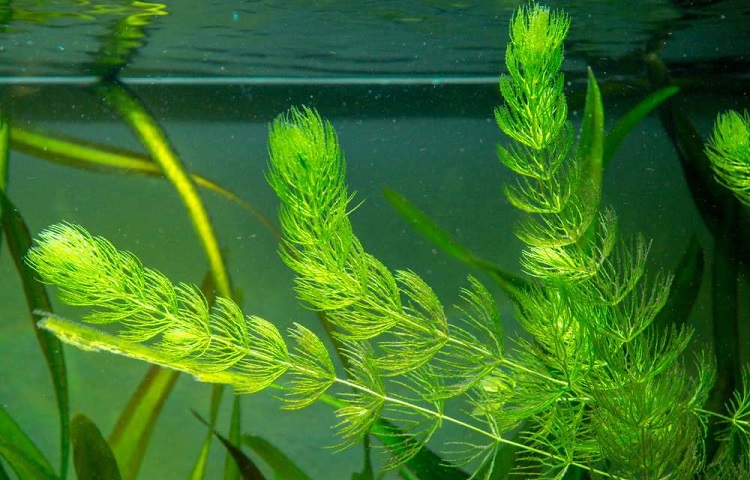
This plant is commonly used in beginner tanks, breeding tanks, and temporary setups.
Why This Plant Is Beginner-Friendly
- No substrate required
- Grows quickly and absorbs nitrates
- Provides cover for fish and fry
Beginner care tips
- Trim often to control growth
- Avoid sudden water changes
- Anchor gently or allow to float
Best placement: Floating or background
Recommended tank size: 10 gallons or larger
Beginner-Friendly Background Plants
Background plants help fill vertical space, hide equipment, and give aquariums a more natural appearance. For beginners, the best background plants are hardy, tolerant of basic conditions, and easy to manage with simple trimming.
These plants are ideal for the back or sides of the aquarium, where they can grow tall without blocking light from shorter plants.
Vallisneria
Vallisneria is a popular beginner-friendly background plant known for its long, grass-like leaves. It grows well in low to moderate light and does not require CO2 injection, making it suitable for low-tech aquariums.
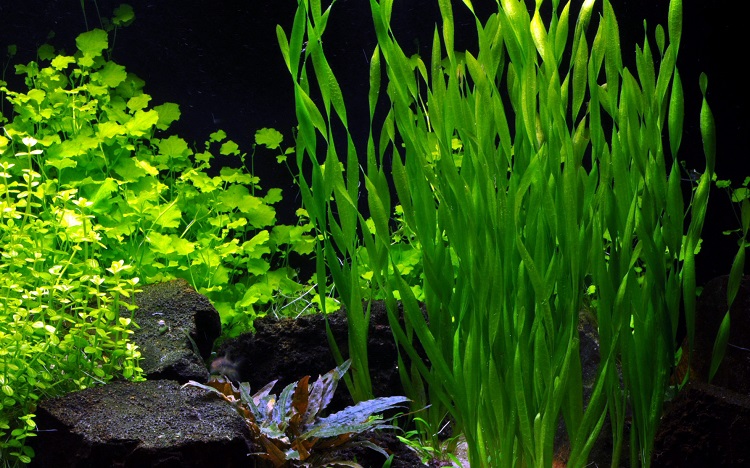
This plant spreads by sending out runners, which allows it to fill in the background over time. While this makes it great for creating a lush look, it does mean Vallisneria needs occasional thinning to prevent overcrowding.
Beginner care notes:
- Plant directly into gravel or sand and use root tabs if needed
- Grows best in moderate lighting
- Does not require CO2
- Trim or remove runners if it spreads too far
Best placement: Background or alongside panels
Tank size: 20 gallons or larger
Other Easy Background Options
Choosing one or two background plants is usually enough for a beginner tank. Too many tall plants can block light and limit swimming space.
- Hygrophila polysperma – Fast-growing and very forgiving, making it useful for filling background space and helping control excess nutrients.
- Bacopa caroliniana – A slow to moderate grower with thick stems that holds theier shape well and is easy to trim.
- Limnophila sessiliflora – A feathery background plant that grows quickly in moderate light and adds texture without demanding CO2.
For beginner tanks, one background plant type is usually enough. Leaving open swimming space helps fish feel secure and keeps the aquarium from feeling overcrowded.
How to Choose the Right Plants for Your First Aquarium
Once you understand why live plants are beneficial, the next step is choosing plants that actually match your aquarium setup. Many beginner problems come from buying plants that look appealing but are not suited to the tank, lighting, or experience level.
The goal at this stage is not perfection, but compatibility. Choosing plants that fit your aquarium from the start makes planting and long-term care much easier.
What to Look for When Choosing Your First Plants
Instead of focusing on plant names or appearance, beginners should focus on how a plant fits into their specific aquarium.
Before buying a plant, ask yourself:
- Does this plant grow well in low to moderate light
- Does it require CO2 injection or special fertilization
- Will it fit the size of my aquarium when fully grown
- Does it need to be planted in substrate or attached to decor
- Can it tolerate minor changes in water conditions
Plants that answer well to these questions are far more likely to succeed in a beginner tank.
Common Plant Selection Mistakes to Avoid
Even with good intentions, new fish keepers often make similar mistakes when choosing plants. These issues usually appear weeks later and can be frustrating if you do not know the cause.
Avoid these common selection mistakes:
- Buying plants labeled for experienced or advanced aquariums
- Choosing fast-growing plants without planning for trimming
- Adding too many plants at once to a new tank
- Mixing plants with very different light requirements
- Assuming plant failure means poor care rather than poor fit
Plant adjustment periods are normal, and some leaf loss after planting does not mean the plant is failing.
Aquarium Plant Basics You Need to Know Before Planting
With plants selected, understanding a few setup basics will help prevent early problems. These basics do not require advanced equipment, but they do affect how well plants establish themselves.

Substrate Options for Beginner Aquariums
Guidance from the Texas A&M AgriLife Extension explains that some aquatic plants absorb nutrients primarily through their roots, while others feed from the water column, which is why plant type matters when choosing substrate and fertilizers.
Beginner-friendly substrate approaches include:
- Standard gravel or sand supplemented with root tabs
- Aquarium soil for tanks focused on rooted plants
- Minimal or bare substrate for attached or floating plants
Matching the plant type to the substrate you already have is often easier than changing the entire tank setup.
Lighting Basics for Beginner Planted Tanks
Lighting does not need to be intense for beginner plants, but it does need to be consistent. Too much light is a more common problem than too little.
Beginner lighting guidelines:
- Use low to moderate light designed for planted tanks
- Limit lighting to 6 to 10 hours per day
- Avoid placing tanks in direct sunlight
- Use a timer to maintain a steady schedule
Consistent lighting helps plants establish and reduces algae growth.
Do You Need CO2 as a Beginner?
CO2 injection is not required for most beginner aquariums. Many easy plants are adapted to grow using naturally available carbon in the water.
For first-time planted tanks:
- CO2 injection is optional, not necessary
- Stable lighting and nutrients matter more than added CO2
- Skipping CO2 keeps maintenance simple and predictable
Beginners can always explore CO2 systems later once they are comfortable with basic plant care.
Fertilization and CO2 Considerations
Aquarium plants need nutrients to grow, but fertilization does not have to be complicated for beginners. The easiest plants will do well with simple supplementation and consistent care.
For beginner tanks:
- Use root tabs for plants that feed through their roots, such as sword plants and crypts
- Use liquid fertilizer for mosses, floating plants, and plants that feed from the water
- Start with one method based on your plant types, rather than using everything at once
CO2 injection is not required for beginner-friendly aquarium plants. While added CO2 can increase growth, most easy plants grow well without it.
Before considering CO2:
- Check that the lighting is consistent and not excessive
- Make sure plants are getting basic nutrients
- Allow time for plants to adjust and establish
CO2 systems are best explored later, once you are comfortable with basic plant care and maintenance.
How to Plant and Position Aquarium Plants Correctly
Planting aquarium plants correctly is just as important as choosing the right ones. Proper placement helps plants establish faster, grow healthier, and keeps your aquarium looking balanced rather than cluttered.
For beginners, the goal is not to create a perfect aquascape, but to place plants in a way that supports steady growth, good water flow, and a natural appearance.
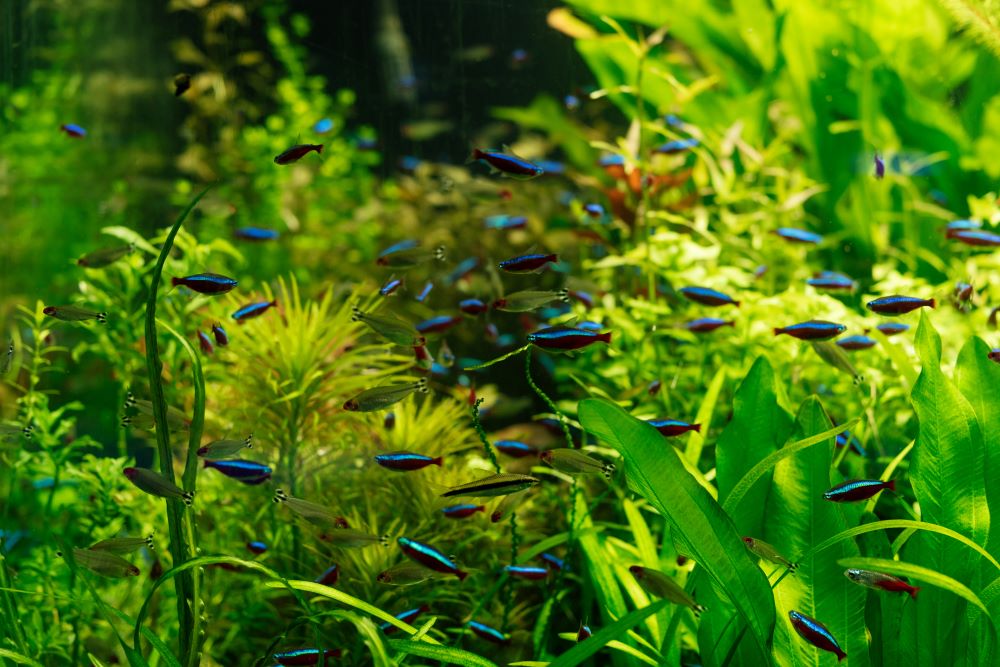
Rooted Plants vs Attached Plants vs Floating Plants
Different types of aquarium plants are planted in different ways. Understanding how each type grows will prevent common beginner mistakes like buried rhizomes or uprooted plants.
Planting methods explained:
- Rooted plants should be planted gently into the substrate with roots covered and the crown exposed. These plants feed mainly through their roots.
- Attached plants should be tied or glued to rocks or driftwood. Their rhizomes should never be buried in substrate.
- Floating plants are left on the surface and do not need to be planted or anchored.
Planting a species incorrectly is one of the fastest ways to cause poor growth or plant loss, even with easy plants.
Foreground, Midground, and Background Placement
Using foreground, midground, and background placement helps create depth and keeps plants from blocking light or crowding the tank.
Basic placement guidelines:
- Foreground plants stay short and should not block the view of the tank
- Midground plants add texture and fill empty space without dominating the layout
- Background plants grow tall and are best placed along the back or sides of the aquarium
Taller plants placed toward the back allow shorter plants to receive enough light and keep the aquarium visually balanced.
Simple Aquascaping Tips for Beginners
A beginner-friendly aquascape focuses on balance and function rather than complexity. Simple layouts are easier to maintain and more forgiving as plants grow.
Easy aquascaping tips:
- Group the same plant species together instead of scattering them
- Leave space between plants for future growth
- Avoid planting too many fast-growing plants in one area
- Use driftwood or rocks as anchor points for attached plants
- Choose plants with similar light and care requirements
Fast-growing plants should be placed where they receive good light, but not so close that they shade slower-growing species. Good spacing also improves water circulation, which helps prevent algae and dead spots.
A well-planned layout not only looks better but also creates a healthier environment for fish by providing shelter, swimming space, and natural boundaries.
Easy Aquarium Plant Maintenance
Healthy plants depend on stable water conditions and simple, consistent maintenance. For beginners, the focus should be on keeping water parameters steady, maintaining good oxygen levels, and addressing plant issues early before they spread.

Water Parameters That Matter for Aquarium Plants
Aquarium plants are generally tolerant, but extreme or unstable water conditions can slow growth or cause leaves to decline. Keeping parameters within a reasonable range is more important than hitting exact numbers.
Beginner-friendly water parameter guidelines:
- pH between 6.0 and 7.5 for most freshwater plants
- Nitrates between 5 and 20 ppm, which plants use as nutrients
- Stable temperature appropriate for your fish species
- Clean, well-filtered water with steady circulation
Regular water changes help keep these values stable and remove waste that can stress both plants and fish.
Oxygen and Water Movement
Oxygen plays an important role in plant and fish health. While plants produce oxygen during the day, good water movement is still necessary to keep oxygen levels consistent throughout the tank.
To maintain healthy oxygen levels:
- Use a properly sized filter to create gentle water circulation
- Avoid overcrowding fish, which increases oxygen demand
- Keep plant growth trimmed to prevent stagnant areas
- Ensure the water surface is lightly agitated
Good circulation also helps distribute nutrients and prevents dead spots where waste can build up.
How Often to Trim and Prune
Pruning keeps plants healthy and prevents decaying leaves from affecting water quality. Most beginner plants only need trimming when growth becomes dense or leaves begin to decline.
Simple pruning guidelines:
- Remove yellow, brown, or damaged leaves promptly
- Trim fast-growing plants when they shade others
- Avoid removing more than one-third of a plant at once
- Leave space between plants for water flow
Spotting Common Plant Problems Early
Plants often show signs of trouble before water quality issues become serious. Paying attention to these signals allows you to make small corrections early.
Common warning signs include:
- Yellowing leaves, often linked to a nutrient imbalance
- Slow growth caused by low light or poor circulation
- Melting leaves during the adjustment period
- Increased algae growth from excess light or nutrients
Most issues can be corrected by adjusting lighting, spacing, or water change routines rather than adding more products.
Weekly Plant Care Checklist
A simple weekly routine keeps plant maintenance manageable and prevents problems from building up.
- Check water clarity and overall plant appearance
- Remove dead or decaying leaves
- Confirm the light timer is set correctly
- Perform a regular water change
- Observe fish behavior and oxygen levels
Consistent care supports stable water parameters, healthy oxygen levels, and steady plant growth.
Balancing Fish and Plants in the Same Tank
Some fish are simply not suited for beginner aquariums, especially planted tanks. Understanding which fish are not beginner-friendly can help you avoid species that uproot plants or create unstable conditions.

Beginner-Friendly Fish for Planted Aquariums
Peaceful fish that do not disturb plants are the best choice for beginner planted tanks. These fish coexist well with plants and benefit from the shelter they provide.
Good beginner fish choices include:
- Small community fish such as tetras and guppies
- Bottom dwellers like Corydoras
- Single bettas housed with compatible tank mates
A tank size of at least 20 gallons is recommended for beginners, as larger volumes help keep water conditions more stable.
Fish That Commonly Damage Plants
Some fish are more likely to uproot, eat, or damage aquarium plants. These species are generally not well-suited for beginner planted tanks.
Fish to be cautious with include:
- Goldfish, which uproot and eat most plants
- Large or aggressive species that dig or rearrange décor
- Fish with strong grazing behavior
Choosing plant-safe fish greatly reduces maintenance and frustration.
Feeding and Stocking Tips to Protect Plants
Overfeeding and overcrowding are common beginner mistakes that affect both fish and plants.
To keep plants and fish healthy:
- Avoid overfeeding to prevent waste buildup
- Stock fish gradually rather than all at once
- Use fast-growing plants to absorb excess nutrients
- Maintain regular water changes
Balanced stocking and controlled feeding reduce stress on the aquarium system and help plants thrive alongside fish.
Quick Note: While this guide focuses on freshwater planted tanks, beginners exploring marine setups should understand that saltwater aquarium fish have very different care requirements.
For a closer look at plant placement and care, this video explains more about the best aquarium plants for beginners and how to help them thrive.
Frequently Asked Questions About Beginner Aquarium Plants
If you are unsure which plants are right for your tank, or if you are running into issues with growth, lighting, or maintenance, feel free to leave a question in the comments below. Beginner setups can vary, and sometimes a small detail makes a big difference.
We regularly review reader questions and update this guide to help new fish keepers succeed with live plants.
What Are the Best Aquarium Plants That Require No CO2?
Many beginner aquarium plants grow well without CO2 injection. These plants use naturally available carbon in the water and thrive in low-tech setups.
Good no-CO2 plant options include:
- Java Fern
- Anubias
- Java Moss
- Cryptocoryne species
- Hornwort
For beginners, consistent lighting and basic nutrients matter far more than adding CO2.
What Are the Best Plants for Gravel Substrate?
Gravel works well for many beginner plants, especially when paired with root tabs or water-column fertilization.
Beginner plants that do well in gravel include:
- Amazon Sword (with root tabs)
- Cryptocoryne species
- Water Sprite
- Vallisneria
Plants that attach to decor, such as Java Fern and Anubias, do not rely on substrate at all and are excellent choices for gravel tanks.
Which Aquarium Plants Are Best for Oxygenation?
Fast-growing plants are the most effective at improving oxygen levels and overall water quality.
Good oxygenating plants for beginners include:
- Hornwort
- Water Sprite
- Brazilian waterweed
- Floating plants with rapid growth
While plants release oxygen during the day, proper filtration and water movement are still important for maintaining healthy oxygen levels.
What Are the Best Tall Plants for Beginner Tanks?
Tall plants are useful for filling background space and creating a natural-looking aquarium. Beginner-friendly tall plants are easy to grow and tolerant of basic conditions.
Recommended tall plants for beginners include:
- Amazon Sword
- Vallisneria
- Hornwort
- Water Sprite
Make sure your tank is large enough to accommodate their full size, as many tall plants grow quickly once established.
What Are the Best Plants That Do Not Need Substrate?
Some aquarium plants do not require substrate and can be attached to decorations or left floating. These are ideal for bare-bottom or gravel-only tanks.
Beginner-friendly no-substrate plants include:
- Java Fern
- Anubias
- Java Moss
- Hornwort
- Floating plants such as Water Sprite
These plants absorb nutrients directly from the water and are among the easiest options for new fish keepers.
Beginner Aquarium Plant Checklist
Use this checklist to make sure your aquarium plants are set up for success. You do not need to complete everything perfectly. This is simply a quick way to confirm you are covering the basics.
Before Adding Plants
- Choose beginner-friendly plants that do not require CO2
- Confirm your tank size can support the plants you selected
- Make sure your lighting is suitable for low to moderate-light plants
- Decide whether plants will be rooted, attached, or floating
- Rinse plants gently to remove debris before placing them in the tank
Planting and Placement
- Plant rooted plants with roots covered and crowns exposed
- Attach rhizome plants to rocks or driftwood instead of burying them
- Place taller plants in the background and shorter plants in the foreground
- Leave space between plants for growth and water flow
- Avoid planting too many fast-growing plants in one area
First Week After Planting
- Expect some leaf loss as plants adjust to the new tank
- Keep lighting consistent and avoid increasing intensity
- Do not over-fertilize during the first week
- Monitor fish behavior and plant appearance daily
- Perform a normal water change if needed
Weekly Maintenance
- Remove dead or damaged leaves
- Check that plants are not shading each other
- Confirm light timers are set correctly
- Maintain stable water parameters with regular water changes
- Trim plants only when necessary
If your plants are growing slowly but staying green, that is a good sign. Healthy, steady growth is more important than fast growth in beginner aquariums.
Beginner Fishkeeping Basics for a Healthy Aquarium
Successful fishkeeping is built on simple fundamentals, not advanced equipment. For beginners, choosing the right tank, stocking appropriate fish, and maintaining stable water conditions will have the biggest impact on long-term success.
- Starting with the right setup matters. Selecting one of the best starter fish tanks makes maintenance easier and helps prevent many common beginner mistakes. Pairing the right tank with beginner-friendly fish and live plants creates a more stable and forgiving aquarium.
- Water quality is another key factor new fish keepers should understand early. Using a reliable aquarium test kit or aquarium test strips allows you to monitor conditions before problems affect your fish or plants.
- It is also important to have realistic expectations about fishkeeping. Understanding the responsibilities involved and the reasons not get a fish can help beginners decide if they are ready for the commitment.
By starting simple, learning the basics, and building knowledge over time, beginner fish keepers can create a healthy, enjoyable aquarium that grows with their experience.
Share Your Beginner Aquarium Plant Story
Everyone starts somewhere, and beginner experiences can be just as helpful as expert advice. If you are new to aquarium plants, we would love to hear how your setup is going.
Did your first plants thrive, struggle, or surprise you? Share in the comments which plants you started with, what worked well, and what you learned along the way. Your experience could help other beginner fish keepers avoid common mistakes and feel more confident starting their own planted tank.