When you purchase through links on our site, we may earn a commission. Here’s how it works.
Thinking about getting a pet fish? It sounds simple enough. A tank, some water, a few colorful fish drifting by while life carries on. Calm. Easy. Almost effortless.
That picture isn’t wrong, but it’s incomplete. Most beginners aren’t surprised because they don’t care. They get surprised because the real commitment shows up after the tank is set up.
Table of Contents
It usually hits like this: “I had no idea it was like this.”
This article exists to move that moment before you buy anything.
Not to scare you off. Not to sell you on the hobby. Just to lay out the parts that don’t fit on a box or a pet store tag: time, cost, waiting, water chemistry, maintenance, and what happens when life pulls you away.
As you read, pay attention to your reaction. If you find yourself thinking, “Yeah… that’s not for me,” that’s useful information. Walking away now can save you money, frustration, and the lives of animals that would depend entirely on you.
And if you read on and think, “I can handle that,” then you’re probably ready.
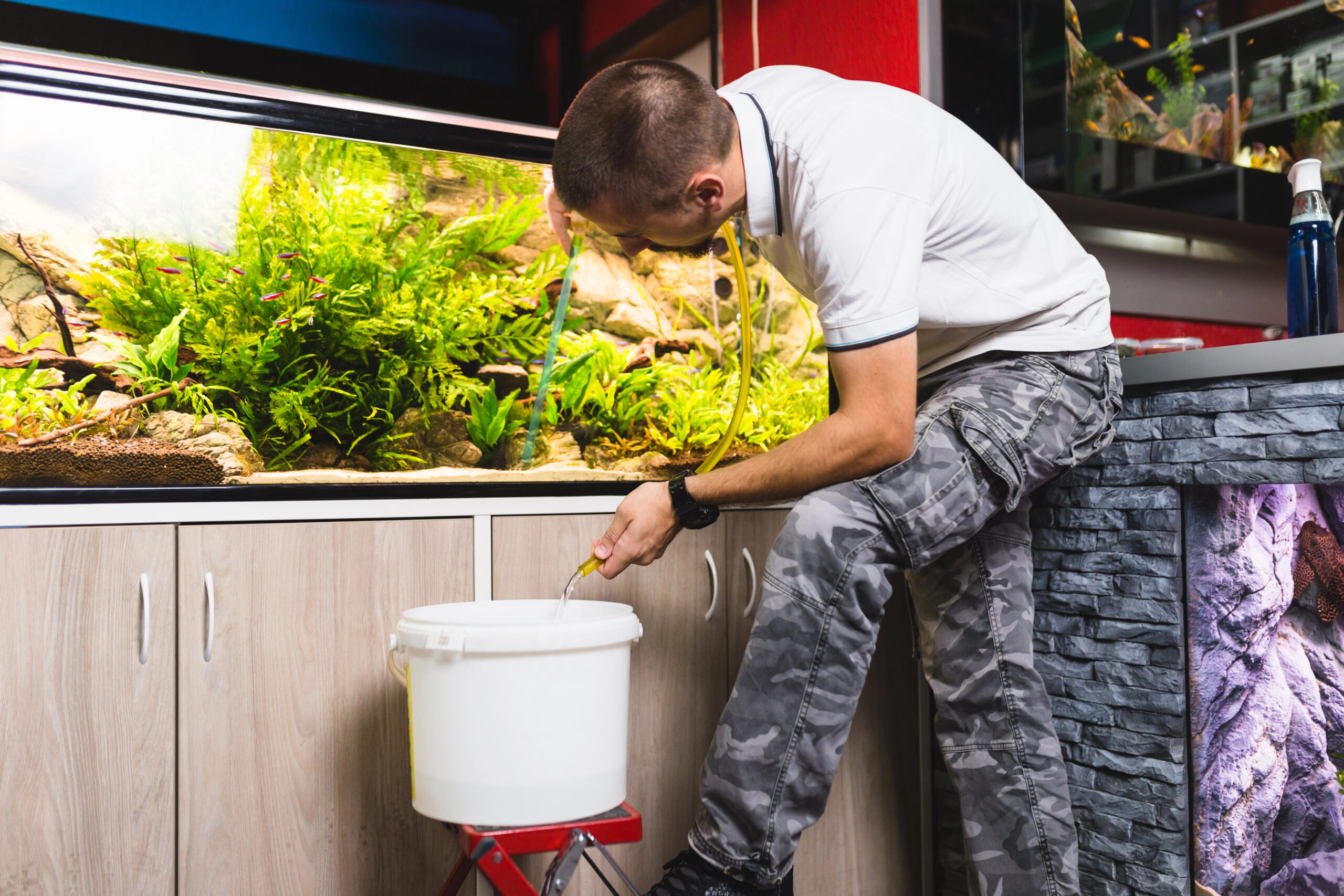
Before You Buy a Fish: A 60-Second Reality Check
Fish are often sold as low-maintenance pets. Quiet. Inexpensive. Easy to manage.
That label causes more problems than almost anything else in this hobby.
Who This Guide Is For
This guide is for people who want to do things right. You’re open to learning a few basics, you care about animal welfare, and you’d rather understand the commitment now than scramble later. You don’t need to be an expert, just willing to pay attention.
Why Fish Are Often Mistaken for “Easy” Pets
Fish don’t bark, scratch furniture, or need walks. Starter kits make it look like you just add water and decorations and call it a day. What actually keeps fish alive is the part you can’t see: stable water conditions, patience, and routine care. Skip those, and problems show up fast.
There’s a reason so many people are drawn to aquariums in the first place—and it’s not just aesthetics.
A Quick Upside (Backed by Research)
Watching fish has been shown to have a calming effect on many people. Studies suggest that viewing aquariums can reduce anxiety within minutes, and researchers have observed declines in heart rate and blood pressure while people watch fish swim. In care settings, aquariums have even been linked to increased food intake and improved engagement in people with dementia.
None of that makes fish a “low-effort” pet. But it does help explain why a well-maintained aquarium can feel genuinely soothing, and why people are willing to put in the work when expectations are realistic.
Now, let’s talk about the parts most beginners don’t hear before buying a fish.
The 7 Deal Breakers Most New Fish Owners Don’t Expect
If you’re still reading, good. That means you’re at least curious, and curiosity is a solid trait in fishkeeping.
Now we’re going to get specific. These aren’t “gotcha” problems. They’re the realities that catch beginners off guard, usually after the tank is filled and the receipt is long gone.
1. Fish Are a Long-Term Commitment (Not a Temporary or Disposable Pet)
Fish are often treated like novelty pets. Quiet. Inexpensive. Easy to replace.
That perception doesn’t come out of nowhere. Fish don’t beg at the door, chew shoes, or demand attention. They live behind glass, which makes it easy to forget they’re living animals with needs that don’t pause just because we’re busy or bored.
But fish aren’t decorations.
They’re animals with real lifespans, and those lifespans are usually much longer than people expect.
Why Fish Are Often Treated as Novelties
Part of the problem is how fish are sold. Tanks are marketed as “starter kits.” Fish are priced cheaper than lunch. Bowls still sit on shelves like they’re perfectly acceptable homes. All of that sends the same message: this is temporary. The reality is very different.
Average vs. Maximum Lifespans of Common Pet Fish
Many fish sold as “beginner-friendly” live far longer than people expect. When fish die early, it’s usually the result of environment and care, not because the species itself is short-lived.
- Betta fish – Most bettas don’t die young because they’re fragile. They die early because they’re kept in small, unheated containers with poor water quality. With basic, consistent care, many bettas live several years. With excellent care, some reach the upper end of their natural lifespan.
- Goldfish – Goldfish are often sold as beginner fish, but they’re one of the worst examples of “temporary pets.” When kept in proper aquariums or ponds with filtration, goldfish regularly live well over a decade. Bowls aren’t a quirky tradition; they’re a primary reason goldfish rarely reach their whole lifespan.
- Guppies and other livebearers – Smaller fish like guppies, platies, and mollies are often assumed to be short-lived. In reality, many live two to five years when kept in stable, well-maintained tanks—far longer than most beginners expect.
- Tetras and rasboras – Schooling fish such as neon tetras, ember tetras, and rasboras are commonly sold as “starter fish.” With good water quality and proper group sizes, many live five years or more.
- Cichlids – Even smaller cichlids, like dwarf species, routinely live five to ten years. Larger cichlids can live significantly longer. These are not short-term pets by any definition.
Short lifespans in home aquariums are usually a husbandry problem, not a biological one. And that long-term commitment doesn’t just affect how long fish live, it shapes everything else about the hobby, from cost to maintenance to how patient you’ll need to be.
Ethical Responsibility: What Not to Do When a Fish Dies
When expectations don’t match reality, standards tend to slip. Missed feedings. Skipped water changes. Eventually, a fish dies, and it’s written off as “just part of having fish.”
In some cases, people assume that flushing or dumping a fish is a harmless way to dispose of it.
It isn’t. Flushing fish or releasing them into local waterways is discouraged for both animal welfare and environmental reasons. More importantly, it reflects the idea that fish are disposable, and they aren’t.
Once you bring a fish home, its health and lifespan depend entirely on you. That responsibility doesn’t change because the fish was inexpensive or small. That doesn’t mean fishkeeping has to feel heavy or intimidating. It just means it should be intentional.
2. The True Cost of Owning an Aquarium (Startup and Ongoing)
That long-term commitment we just talked about not only affects how long your fish live. It also shapes how much this hobby will cost you, both upfront and over time.
Fish are often described as an inexpensive pet, but that impression usually comes from looking at the price of the fish alone. The aquarium itself is where most beginners get surprised.
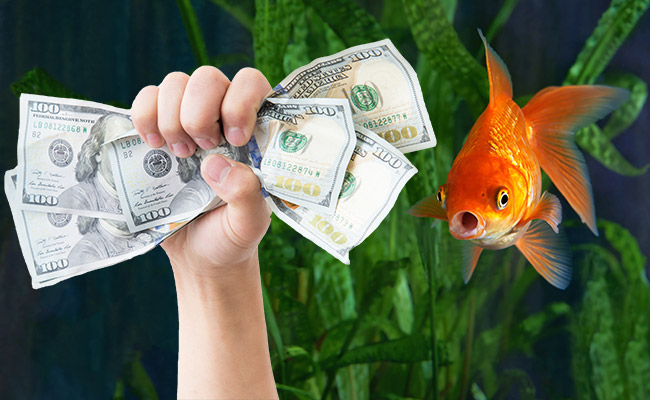
Startup Costs Most Beginners Underestimate
Before a single fish ever goes into the tank, you’ll need equipment to keep the environment stable and safe.
At a minimum, that usually includes an aquarium, a filter, a heater (for most tropical fish), lighting, a way to test water quality, a water conditioner, air pumps, and basic maintenance tools like nets. Depending on the setup, you may also need a stand, substrate, decorations, and a cover.
None of these things is optional, and cutting corners here often leads to problems later, sometimes expensive ones.
Ongoing Costs Add Up Over Time
Unlike decorations or furniture, aquariums don’t stop costing money once they’re set up.
Food is the obvious recurring expense, but it’s only part of the picture. Filter media needs replacing. Water conditioners and test supplies are running low. Lights and heaters consume electricity daily. Occasionally, equipment fails and needs to be replaced sooner than expected.
Individually, these costs may seem minor. Over months and years, they add up.
Tank Size Matters More Than People Expect
A common assumption is that smaller tanks are cheaper and easier. In practice, the opposite is often true. Small aquariums are less stable, so they require more frequent attention and tighter control over water quality. Larger tanks cost more upfront, but they’re often more forgiving, and sometimes less stressful to maintain.
Either way, the size of your tank directly affects both your budget and your workload. Learn more about starter fish tanks and what you’ll need.

Why “Cheap Fish” Can Become Expensive Lessons
When problems pop up, many beginners fall into a familiar cycle: something goes wrong, a quick fix is bought, then another, and another.
Medications, additives, replacement equipment, and emergency purchases can quickly cost more than doing things properly from the start. In fishkeeping, paying a little more up front often saves money and frustration later.
You can get a general idea of costs from the chart below.
| Tank Size | Typical Setup Costs | What’s Driving the Cost |
|---|---|---|
| Under 10 gallons | ~$70–$150+ | Starter kit, basic filter, simple test kit; can rise fast with conditioner, substrate, tools |
| 10–20 gallons | ~$150–$300+ | Add heater (tropical fish), better testing supplies, gravel vac, water conditioner |
| 29–40 gallons | ~$250–$500+ | Larger filter, more substrate, stand, stronger lighting, larger test kits |
| 55+ gallons | $500+ (varies) | Even bigger equipment, a more stable system, and higher electrical use |
3. You Can’t Add Fish Right Away: The Aquarium Cycling Reality
This is where many new fish owners hit the brakes, sometimes literally, standing in a pet store with a tank at home and fish in a bag. You set everything up. The water looks clear. The filter is running.
So why can’t the fish go in?
Because a brand-new aquarium isn’t actually ready for life yet.
What “Cycling a Tank” Actually Means (Plain English)
Cycling a tank means preparing the water to safely handle fish waste. Fish don’t just live in water; they live in a biological system. Every time a fish eats or breathes, it produces waste. That waste turns into toxic compounds that can burn gills, stress organs, and quietly kill fish even when the water looks perfectly clean.
A cycled tank has the right bacteria in place to process that waste before it becomes a problem. An uncycled tank doesn’t.
The Nitrogen Cycle and Beneficial Bacteria
Here’s the short version of the nitrogen cycle, without the textbook headache:
Fish waste breaks down into ammonia, which is highly toxic. Beneficial bacteria convert ammonia into nitrite, which is also toxic. Then other bacteria convert nitrite into nitrate, which is far less harmful and can be managed with water changes.
Those bacteria don’t magically appear overnight. They have to grow, establish themselves, and colonize surfaces inside your tank—especially the filter.
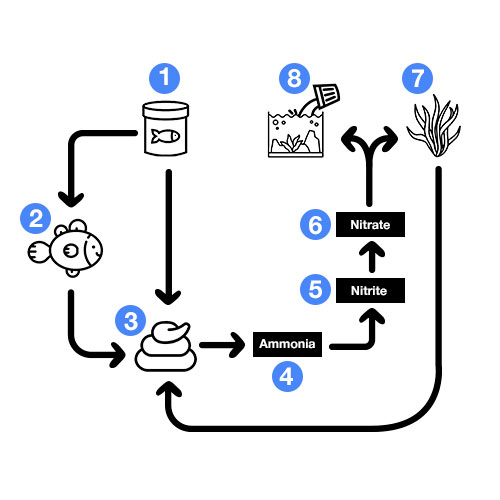
Until that happens, the water chemistry can swing fast. And fish are left dealing with toxins their bodies simply aren’t built to handle.
How Long Does Cycling Usually Take?
This is the part most beginners don’t expect.
A typical aquarium cycle takes several weeks. Sometimes things move along smoothly. Other times, the process drags on. In less-than-ideal conditions, cycling can take up to two months before the tank stabilizes.
There are ways to make the process more predictable, using bottled bacteria, seeded filter media, and careful testing, but there’s no method that turns cycling into an instant step.
Patience isn’t optional here. It’s part of the setup.
If the idea of “cycling” a tank still feels abstract, watching someone walk through it visually can make all the pieces click. Cycling isn’t just jargon; it’s the process of building up the beneficial bacteria that convert toxic fish waste into much less harmful forms, so your aquarium becomes a genuinely safe place for fish.
What Happens When You Skip or Rush This Step
When cycling is skipped or rushed, fish pay the price.
At first, everything might seem fine. Then fish start acting “off.” Lethargy. Gasping at the surface. Sudden deaths that feel random and confusing.
They aren’t random. They’re chemical stress injuries happening out of sight. This is one of the most common reasons beginners leave the hobby frustrated, not because they didn’t care, but because they were never told to slow down.
4. Fishkeeping Is Water Chemistry (But Not as Scary as It Sounds)
Once you hear the word “chemistry,” it’s easy to picture complicated formulas and high school flashbacks. That’s not what this is. Fishkeeping chemistry is less about memorizing equations and more about paying attention to what’s happening in the water your fish live in every single day.
Why Clear Water Can Still Be Dangerous
One of the biggest beginner mistakes is assuming that clear water means safe water.
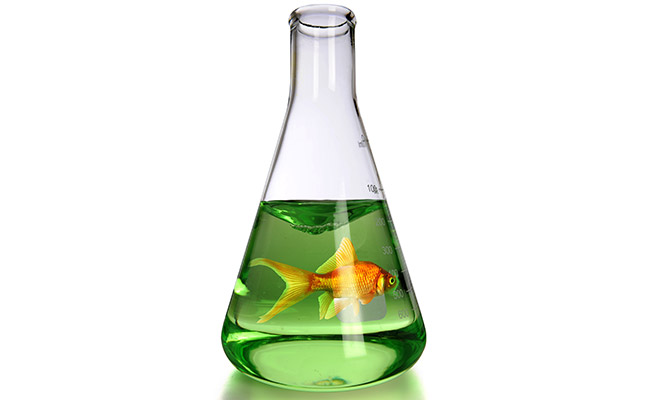
Unfortunately, the most dangerous problems in an aquarium are invisible. Ammonia, nitrite, and nitrate don’t cloud the tank. They don’t smell. Fish can be under serious chemical stress while the water looks perfectly fine.
By the time fish show obvious symptoms, the problem has usually been there for a while.
The Water Parameters That Actually Matter for Beginners
You don’t need to become a chemist to keep fish healthy. But there are a few basics you can’t ignore.
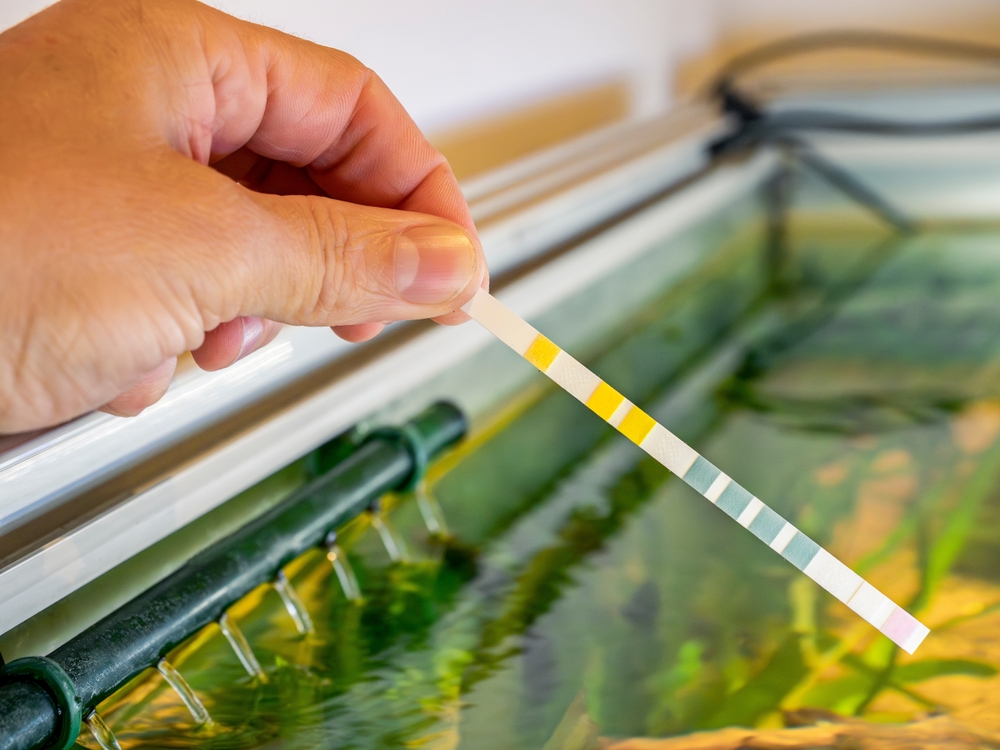
- At a minimum, you’ll need a way to monitor ammonia, nitrite, and nitrate. These indicate whether the biological system in your tank is functioning properly.
- ph matters too, but how closely you need to track it depends on the species you keep. Some fish are very forgiving. Others are not.
- Hardness (GH and KH) comes into play for certain fish and planted tanks, but it’s usually something you learn as you go—not something that needs mastering on day one.
How Much Chemistry Knowledge Do You Really Need?
Here’s the good news: most fishkeeping chemistry is pattern recognition. You test the water. You notice trends. You respond before minor problems become major ones.
Once you understand what “normal” looks like for your tank, testing becomes routine—not stressful. Many experienced fishkeepers spend only a few minutes a week checking parameters.
What matters isn’t perfection. It’s consistency.
Common Beginner Mistakes With Water Testing
The most common mistake isn’t testing incorrectly; it’s not testing at all.
- New fish owners often stop testing once the tank “looks stable.”
- Others test only after something goes wrong, when fish are already stressed.
Water testing isn’t a punishment for mistakes. It’s an early warning system. Used properly, it lets you fix problems quietly, before fish ever show signs of trouble.
5. Fish Add Regular Chores to Your Schedule
Let’s get this out of the way: Fishkeeping adds chores. Not constant, all-consuming chores—but real ones that don’t disappear once the tank is set up. If the idea of adding anything to your to-do list already feels exhausting, this section matters.
Routine Maintenance Tasks Every Fish Owner Must Do
At a minimum, fishkeeping involves a short list of repeating tasks:
- You’ll feed your fish (easy).
- You’ll test the water (important).
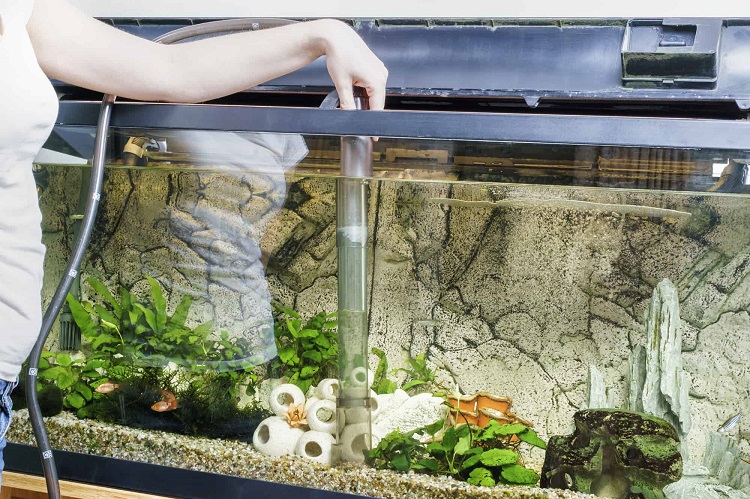
- You’ll change part of the water.
- You’ll clean algae from the glass.
- You’ll rinse or service the filter periodically.
None of these tasks is difficult. But they are non-negotiable.
Fish live in a closed system. Waste doesn’t leave unless you remove it. Water quality doesn’t improve unless you step in. Skipping tasks doesn’t pause the clock; it just lets problems build quietly.
How Long Maintenance Really Takes (New Tanks vs. Established Tanks)
This is where expectations matter.
- New tanks usually take more attention, not less. During the first few months, you’ll test more often, watch parameters closely, and make adjustments as the tank stabilizes.
- Once a tank is established and stocked appropriately, maintenance usually settles into a predictable routine. Many aquariums can be maintained with short, regular sessions rather than long clean-ups—often 20–40 minutes every week or two, depending on the setup.
The keyword there is regular.
If you want to see how water chemistry and tank cycling come together in a real setup, this next video does a great job of breaking it down step by step. Instead of just talking about ammonia and nitrite, it shows how those changes actually appear in your tank, what to look for, and why timing matters.
Why Neglecting “Small” Chores Leads to Sick or Dead Fish
Most aquarium problems don’t come from dramatic mistakes. They come from small ones stacked on top of each other.
- Skipping a water change once.
- Letting algae build up.
- Putting off filter maintenance.
- Assuming “it’ll be fine.”
Eventually, something tips. Water quality slips. Fish get stressed. Illness follows. And by the time it’s obvious, the fix is harder, more expensive, and more stressful than the original chore would’ve been.
In fishkeeping, prevention is always easier than rescue.
6. Fish Are Not Companion Animals (Set Expectations Early)
This one trips people up in a quiet way. Fish are living animals. They need care. They recognize routines. Some even recognize the person who feeds them. But they are not companion animals in the way most people mean when they say pet.
Fish won’t greet you at the door. They won’t curl up next to you after a long day. They won’t demand attention, affection, or playtime. And for some people, that’s exactly the appeal.
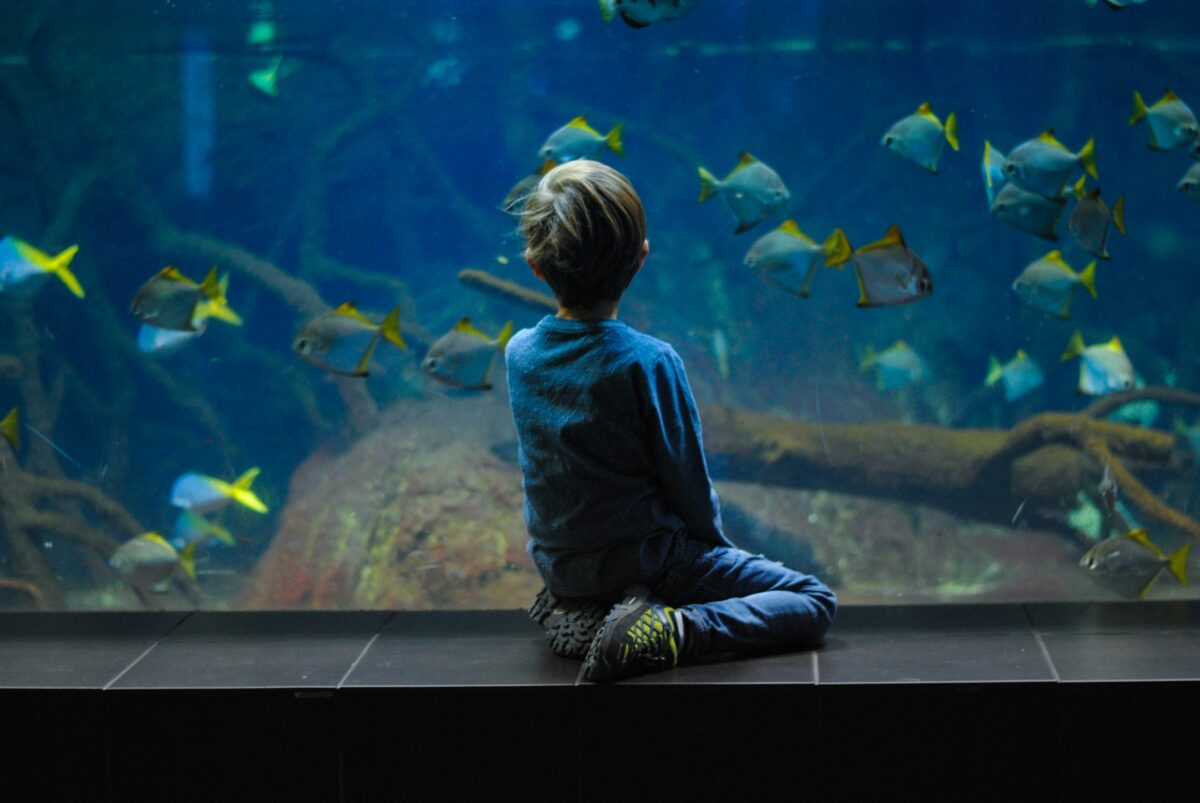
What Interaction With Fish Really Looks Like
Most fish interactions are subtle. You’ll notice patterns. Feeding responses. Familiar movements when you approach the tank. Certain fish may even seem curious or bold.
But it’s observational, not reciprocal. You’re watching more than you’re interacting. The relationship is built around routine, not emotional feedback.
If you go into fishkeeping expecting companionship, it can feel oddly lonely—like caring for something that never quite acknowledges you back.
Why This Isn’t a Bad Thing (For the Right Person)
For the right kind of owner, this is actually a feature.
Fish are calming. They don’t add emotional noise. They create a steady presence rather than demanding one. Many people keep aquariums precisely because they’re soothing, predictable, and visually engaging without being socially draining.
A fish tank can feel more like a living painting than a relationship, and there’s nothing wrong with that. The problem only shows up when expectations don’t match reality.
Who Fish Are (and Aren’t) a Good Emotional Fit For
Fish tend to work best for people who:
- Enjoy observing rather than interacting.
- Find routine comforting.
- Appreciate aesthetics and behavior over affection.
They tend to disappoint people who:
- Want emotional feedback from a pet.
- Seek comfort, companionship, or bonding.
- Expect interaction beyond feeding time.
If you want a pet that keeps you company, responds to your emotions, or fills a social role in your life, fish are probably not the right choice. But if you’re drawn to calm, quiet, and observation over interaction, fishkeeping can be deeply rewarding.
7. Fish Need Care When You’re Not Home (Even for Short Absences)
This is one of the most underestimated realities of fishkeeping. Most people plan vacations and prepare for fish care. Week-long trips. Flights. Hotels. Someone is stopping by to feed the fish.
But problems don’t only happen when you’re gone for a long time. They happen when care is interrupted.

Short Absences Can Still Cause Problems
Skipping a day here or there usually isn’t an issue. Fish can miss a feeding. Life happens.
The trouble starts when small gaps stack up.
- A weekend away turns into four days.
- A busy work stretch delays a water change.
- An unexpected trip pushes maintenance back another week.
Fish live in a closed system. Waste continues to accumulate whether you’re home or not. Filters clog. Evaporation concentrates pollutants. Heaters and equipment don’t self-correct when something goes wrong.
The tank doesn’t pause just because you’re busy.
Why “Set It and Forget It” Doesn’t Work With Aquariums
Aquariums rely on routine.
Most problems don’t announce themselves loudly. A heater can fail quietly. A filter may slow down gradually. Water parameters drift instead of crashing.
When you’re around, you tend to notice these changes early. When you’re away or distracted, they have time to compound. That’s why even short disruptions in care can lead to stressed fish, disease, or unexpected losses.
The Limits of Automatic Feeders and Quick Fixes
Automatic feeders and vacation feeding blocks can help in specific situations, but they are not a replacement for real oversight.
- Feeders can jam. Blocks can foul water. Neither one handles water changes, equipment issues, or subtle chemistry shifts.
- They’re tools, not solutions.
What Responsible Planning Actually Looks Like
Responsible fishkeeping means planning for absences rather than reacting to them.
That might include:
- Scheduling maintenance before you leave.
- Showing someone how to spot obvious problems.
- Leaving written instructions instead of assuming it’s obvious.
- Choosing tank sizes and stocking levels that are more forgiving.
It also means being honest about your lifestyle.
If your schedule is unpredictable, travel comes up often, or you are frequently away longer than planned, fishkeeping requires extra thought or a different pet altogether.
Final Verdict: Should You Get a Pet Fish?
After reading through all of this, one thing should be clear: fishkeeping isn’t hard, but it is intentional.
It rewards patience. It punishes shortcuts. And it quietly reflects how much consistency you’re willing to bring into a living system that can’t advocate for itself.
For the right person, fish can be an incredible pet. For the wrong fit, they become a source of guilt, frustration, and loss.
Why Deciding Not to Get Fish Can Be the Responsible Choice
Choosing not to bring an animal into your home when you can’t meet its needs is one of the most responsible decisions you can make. It saves money. It saves frustration. And most importantly, it prevents animals from suffering due to mismatched expectations.
There’s no prize for forcing a hobby that doesn’t fit.
Still Interested? Start the Right Way
If you’ve read everything above and still feel confident, that’s a good sign. It means you’re thinking beyond impulse and into preparation. The next step isn’t buying fish. It’s learning how to set things up correctly from the beginning.
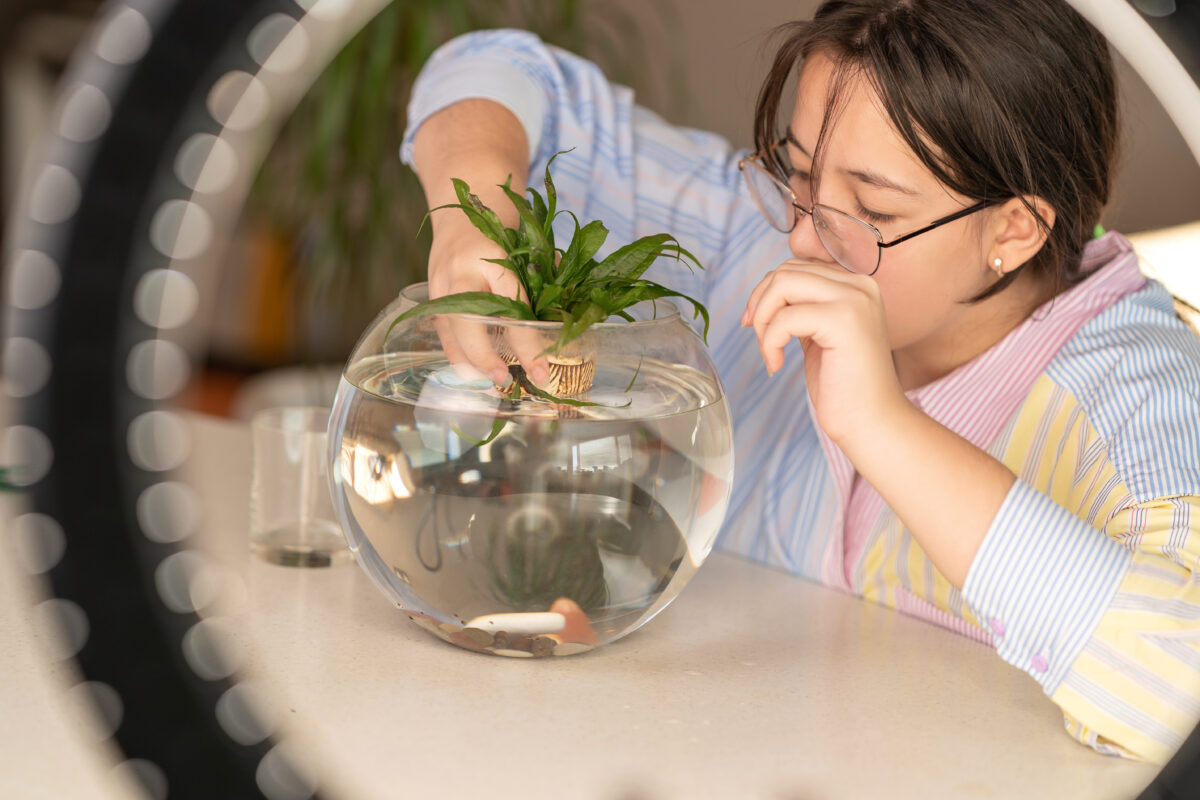
That includes:
- Choosing beginner-friendly fish species that match your experience.
- Selecting the right tank size for stability, not convenience.
- Following a step-by-step setup and cycling process.
- Understanding the fundamentals of long-term care and maintenance.
What to Read Next:
If you want a clear, beginner-focused walkthrough that covers all of this in one place, start here:
- Best Starter Fish Tanks
- Betta Fish Tank Setup For Beginners
- Best Aquarium Plants for Beginner Fish Keepers
- Top 10 Aquarium Fish For Beginners
- Top 5 Worst Fish For Beginners
- The Complete Beginner’s Guide to Aquarium Substrate
- The Beginner’s Guide to Aquarium Water Test Kits
- How To Cycle An Aquarium Without Killing Your Fish: 6 Easy Steps For Beginners
- A Beginner’s Guide To Fish Food
FAQ: Common Beginner Fishkeeping Questions
If you’re still reading, you’re officially doing the thing most beginners skip: asking questions before buying fish. Love that. Here are the questions that come up constantly, with straight answers. If you have more, just drop them in the comments below.
How long does it really take to cycle a tank?
Usually, several weeks. Sometimes longer. There’s no reliable shortcut that skips biology.
How often do I need to change the water?
That depends on tank size, stocking, and filtration, but regular partial water changes are a permanent part of fishkeeping.
What happens if I skip water testing?
Small problems go unnoticed until fish show symptoms. By then, fixes are harder, and losses are more likely.
What should I do if I can’t keep my fish anymore?
Responsible rehoming options exist. Flushing or dumping fish is never recommended.
Where to Go From Here
If you’re still interested and feel prepared rather than rushed, the most effective next step is to learn how to make fishkeeping easier for both you and the fish.
That starts with designing tanks that work with biology rather than against it, such as creating a more self-sustaining aquarium. Reducing stress is just as important, and even small adjustments can make a big difference in a low-stress aquarium environment. Once the basics are in place, simple improvements to filtration, lighting, and routine care can lead to happier fish and noticeably clearer water, often without adding extra work.
And if your goal is a setup that fits into your life instead of taking it over, designing a low-maintenance aquarium from the start matters more than any shortcut. Fishkeeping doesn’t reward impulse. It rewards preparation. If you move forward, move slowly. Learn first. Set things up properly. Your fish will feel the difference.
New to fishkeeping or have been doing it for years? What surprised you the most when you first got started? Share your experience in the comments, good, bad, or somewhere in between.



Man fish sound like hard work.
Hi Carmelia,
Thanks for your comment. It all depends on your definition of hard work. I find taking a dog for a half hour walk every day hard work, but think nothing of spending the same time caring for my fish tank.
The purpose of this guide is to highlight that while fish make great pets, they certainly are not for everyone. It’s better that you identify this before wasting time and money to buy an aquarium and fish than after.
These are hardly concerning. I like my fish and these points don’t scare me.
Hi Rene,
As an avid fishkeeper myself, I completely agree with you.
Am not getting a fish no more ????????
Great article. Tried dogs twice, found myself keeping fish. The former actually is more time and cost-demanding in my experience. At least my fish just poop in the tank, and let the vacuum from the bottom outflow suck it out hehe. Yes true- sunday afternoon usually goes to the tanks maintenance. And yes, completely agree that once you’ve got everything set-up, minimal maintenance is required. I love the hobby. Its one of the reasons coming home from work seems more exciting haha.
Hoping this article would help create awareness to the people that the hobby really is a commitment and dedication, not just a fad or an impulsive choice.
Whisky and arowanas over tv any time. ????
Cheers!
Hi Bioload Man,
Arowanas, hey? Beautiful fish. I’d enjoy coming home from work to that too!
I completely agree with your feedback – once you get your head around the learning curve, maintenance is minor. I mean, most people spend more time each day walking their dogs. The thing is, everyone already knows how to walk, so this isn’t seen as a challenge. Learning about water quality on the other hand is slightly different.
Dog, cat, fish… Every pet needs maintenance, but for some reason fish are often seen as decorations, rather than pets. Pet stores selling betta by the cup hasn’t helped change this perception either.
I’m glad you saw this article for what it was – a way to create awareness!
Your article was so very helpful! After reading your site I found out my fish had Ick and I was able to get it all cleared up. Thank you very much.
Hi AlexisAnn,
I’m glad you were able to catch ich in the early stages. It’s a death sentence if you don’t fix it quick.
Beautiful article. I have been keeping fish tanks since 19 years and this journey of keeping tanks has been very pleasant and my hobby has now become my passion.
It was good to read in the comments section that there are many more people like me who come home very tired from work and get charged up looking at their tanks.
Sunday afternoons are obviously dedicated to fish tank cleaning, thats a pleasure !!
Thank you for the article.
Hi Sumit,
Just like you, I could stare at my tanks for hours. Well, I could if I had the spare time. It’s the perfect way to relax. You must really enjoy the hobby to still be at it 19 years later. The time flies, huh?
Hmm. While I do love fish, and agree with most everything, I must mention that goldfish live 10-20 years, some have lived to 30, and the oldest was 43 years old. These should not be throw-away pets at all!
Hi R,
Completely agree. Many fish are a long term pet.
And… Get too big for a tank!
I read this article when I thought I wanted a fish tank. I started with a 5 gallon and 3 guppies. Now I have my 5 gallon for my beta, another for guppies and a frog, and a 20 gallon community tank. I am choosing a place to put a 40 gallon. Definitely turning into a passion. I do all the tank maintenance the same day and it’s maybe an hour between them. Check the levels periodically to figure if I need an early water change and then it’s all bubbles and light shows. I love my pet fishies and the cats seem to enjoy looking at them.
Hi Jenisa,
Thanks for sharing! While fish certainly are not for everybody, they make great pets for those who are happy to measure and tinker. In fact, it can become quite an obsession. I’m really happy to hear that you are enjoying fishkeeping!
fish take more time than you think and it can be very sad when a fish dies so some fish can be your friend too. So fish can be a good pet too even with a busy schedule.
I have 5 aquariums set up rangeing in sizes from a 10 gallon to 55 gallon, it’s become quite a great hobby, started it a couple years before I retired, and it has blossomed. It’s a great hobby, it helps fill in my days when there is nothing going on.
Hi Meryl,
Sounds like you have been bitten by the fish keeping bug. While they may not be for everyone, if they click for you then they are arguably the perfect pets! I’m glad to hear you are enjoying the hobby. Thanks for sharing your experience.
Fish will interact with you the same way a dog or a cat would…. Have you kept a flowerhorn before? Or seen someone keep one? Raise one right, and you will see that they are almost dog like.
Hi Omar,
While some fish are certainly more interactive than others, it’s still a stretch to say that they interact with you the same way a dog or cat would – they are confined to a tank.
Do any of you guys mess with native set-ups? You don’t have to spend considerable amounts of cash to have beautiful fish. You don’t even have to buy the deco to have a beautiful tank setup, maybe several different species profile tank setups that are just as beautiful as expensive setups! To me, there’s something different about it & I personally find it more satisfying to catch your own fish and collect the wood & rocks to set a tank up. Then, just make it beautiful! I’m a weirdo I suppose but I love to build little fish caves, sometimes larger caves. It just depends if they’re a schooling species or a larger fish who need more room to hide. The fish seem to know exactly what to do with them and some are like me, not much on roommates! They’ll let others know that this caves mine, maybe there’s a vacancy somewhere else! Others are more like college students lol, roommates are welcome. Like I said, I’m a weirdo & maybe I find it more intriguing because your watching the nature of the beasts that inhabit the waterways near you? Perhaps it’s because the only cash I’m out of is cost of gas, a small fish(minnow)trap or fishing pole(depending on your size preference) & even a crawfish trap(if you’ve never owned a crawfish, they’re quit interesting to have as well). Point is, large or small you can have a great looking tank setup or maybe several different species profiles tank setups for a little cash and the love of being out in the midst of nature collecting what you find beautiful. Then you’re on your way to a setup that your extra proud of because you chased these little boogers down, trapped them, caught them on a rod and reel or even caught them with your own two hands all while doing something you love! If your skeptical and think “no way a fish from a creek can be as pretty as my tropical fish”, google Darter Minnows!
Hi Angie,
Thanks for sharing your awesome experience.
Nothing weird about this at all. However, certain states have laws that prevent this. It’s also a little more difficult than going to a store and buying a fish.
I agree that crawfish are interesting – their obsession with destroying every single plant you add to your tank is frustrating!
I’m glad to hear you have found a way to get involved in the hobby in your own unique way. It sounds like you are having a lot of fun and that’s the whole point of fish keeping – it’s a hobby you should enjoy!
You should really write a book. I would read it. I’m lmao because I got a fish tank nov 2019 and learning the same way you did. Your story gives me hope.
Hi Laura,
Welcome to the hobby, I hope you are enjoying it. There is a lot to learn but trust me, it certainly gets easier. Hang in there! Thanks for the kind words, it means a lot to me.
hi! i really want a fish. can you tell me how to convince my parents to do it?
Hi Alana,
Unfortunately, if you are still under your parents guardianship, it is their decision. They probably want you to be happy, but there are many factors that go into this, for example, they have to pay for the food and equipment, which can be expensive.
I had the choice between getting a pet fish and a pet bird. I wanted to be helpful because my dad said that a fish would be better and I said ok to it. The next day I was going to tell him I changed my mind about it but he already bought the fish tank. Now he has everything and still doesn’t have the fish or even set up the tank. I am now thinking that I will be so bored of it that I might forget about it. I really just want a pet that I will be able to handle with my own hands and can be taught to do things on command. Any advice? Note : it has been over 5 months since he got the supplies.
Hi Amina,
Providing parent + relational is kind of outside of the scope of this blog. I am of the opinion that honesty is always the best thing in relationships. Your dad can’t guess what you are thinking, and you can’t guess what he is thinking. The only way to know for sure is to sit down and have a meaningful discussion about what you want.