When you purchase through links on our site, we may earn a commission. Here’s how it works.
Grab the wrong paint for your aquarium, and your “tank glow-up” can turn into a fish massacre. The scary part? Most paints sold at hardware stores aren’t just unsafe; they quietly peel, leach chemicals, and poison your water long before you notice anything is wrong.
But here’s the good news: a few cheap, hardware-store paints do hold up underwater without flaking, peeling, or leaching chemicals into your tank.
Table of Contents
Whether you want to paint a background on your aquarium or paint something inside, below, you’ll see exactly which paints aquarists use safely, how to apply them, and which mistakes still kill fish if you’re not careful.
| Best Overall | Best For Larger Settings | Best For Exterior |
|---|---|---|
 |  |  |
| Plasti Dip | Rust-Oleum | Dupli-Color |
| View on Amazon | View on Amazon | View on Amazon |
| Read Review | Read Review | Read Review |
Can the Wrong Paint Really Kill Your Fish?
The Short, Scary Truth
Yep, and it happens more often than you’d think.
Most paints aren’t designed for life underwater. The moment they hit aquarium conditions, they start doing things you can’t see until it’s too late:
- They absorb water, soften, and begin to bubble.
- Tiny flakes break off, and to your fish, they look exactly like food.
- Even “non-toxic” paints can leach chemicals your test kit will never detect.
- The damage is slow and invisible… until the fish start gasping or dying.
Not even the best aquarium test kit can detect these harsh chemicals. You won’t know there is a problem until it’s too late and all your fish are dead.
The harsh truth: A single bad paint choice can wipe out an entire tank, even if it looked fine on day one.
That’s why getting this right isn’t a “nice to have.” It’s the difference between a safe makeover and a silent disaster.
Next, I jump straight into the three aquarium-safe paints hobbyists actually trust – the ones that won’t turn your tank into a chemistry experiment.
3 Aquarium-Safe Paints That Actually Work
Full List + What Each Is Best For
These are the only three paints hobbyists, including me, consistently trust. Once cured, they won’t peel, crack, or leach chemicals into your tank.
The following recommendations are suitable for both freshwater and saltwater aquariums.
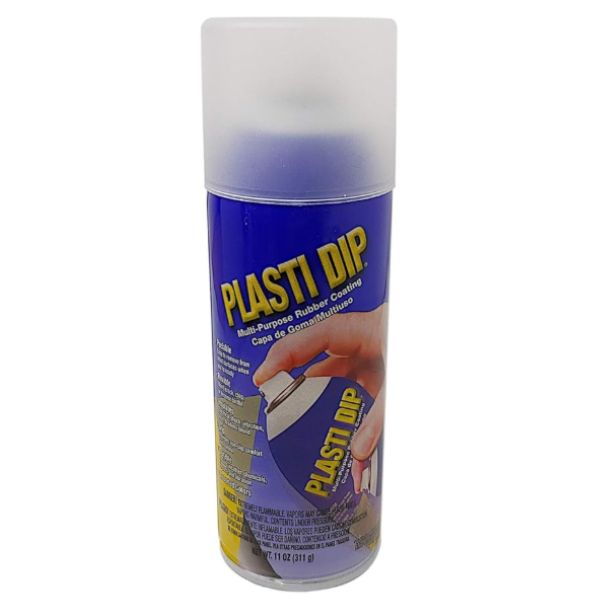
1. Plasti Dip Review
If you’re painting anything that will sit underwater, Plasti Dip is your safest option. It cures into a flexible rubber coating that doesn’t crack or flake, even after long-term submersion.
Plasti Dip is my go-to choice for hiding bright white PVC pipes and other plastic parts because it sprays on easily and instantly blends equipment into the background. It also offers more color options than any other aquarium-friendly spray paint hobbyists use.
Plecos, shrimp, and snails can scrape over it without pulling anything loose. It bonds extremely well to PVC, ABS, and most plastics.
How to Apply:
Although it dries to the touch quickly, it needs a full week to properly cure into the flexible rubber coating that makes it so durable underwater.
- Sand and clean the surface
- Spray thin, even coats
- Allow seven full days to cure
- Rinse in dechlorinated water before use
Surface prep matters: despite the label suggesting otherwise, sanding and cleaning the surface first dramatically reduces chipping. After curing, a quick rinse in dechlorinated water removes any residue before the painted item goes into the tank.
Use Plasti Dip when the item will be fully underwater.
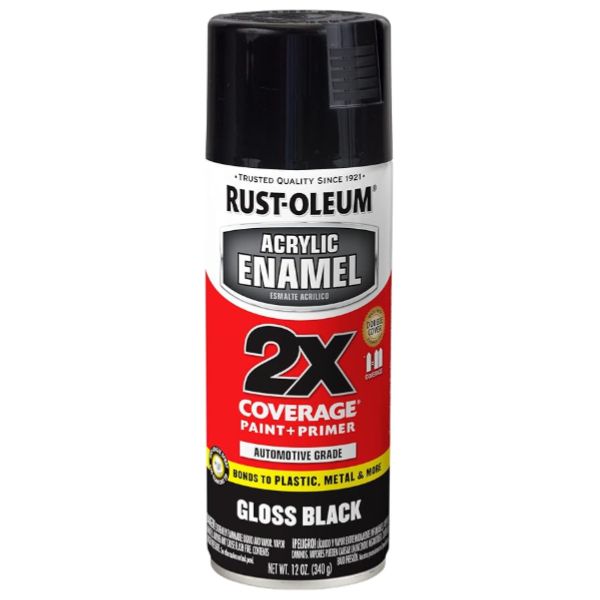
2. Rust-Oleum Acrylic Enamel 2X Review
Rust-Oleum Acrylic Enamel 2X is the go-to for large DIY decor projects. It bonds well to rock, foam, cement, concrete, and terracotta, making it ideal for 3D backgrounds and faux rockwork.
Rust-Oleum Acrylic Enamel is my go-to option when you’re painting materials that Plasti Dip doesn’t bond to, things like Styrofoam, concrete, brick, or terracotta.
It’s widely used in pond projects and has become a favorite for aquarium builders because it holds up well underwater once cured.
Aquascapers often rely on it for 3D backgrounds and faux rockwork, where it provides a durable, natural-looking finish that mimics real stone.
Best For:
- 3D foam backgrounds
- Concrete or cement builds
- Rock-style hardscape
- Terracotta pots
- Large decorative structures
How to Apply:
It dries into a durable, hard finish and comes in natural colors that blend well into aquascapes.
- Clean the surface thoroughly
- Apply multiple light coats for even coverage
- Let it cure for one full week
- Rinse well before adding to the tank
Use Rust-Oleum when you’re painting anything solid that isn’t plastic.
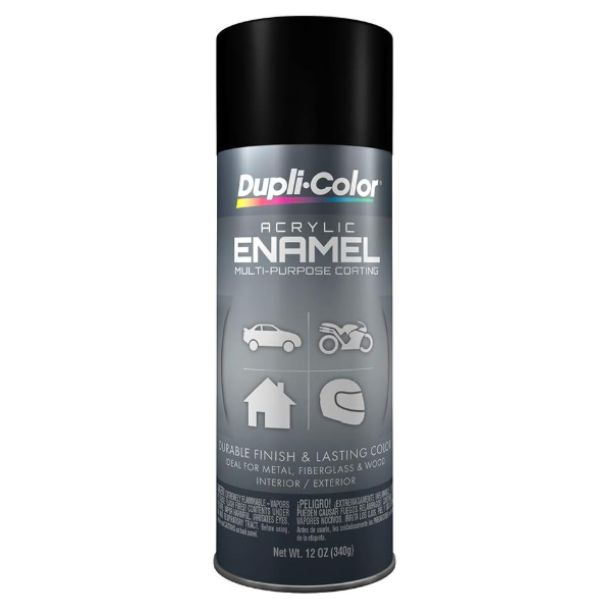
3. Dupli-Color Acrylic Enamel Review
Dupli-Color is ideal for everything outside the water. It sprays smoothly and leaves a clean, professional-looking finish, making it perfect for painting the back of your aquarium black or refreshing stands, trim, and hoods.
The 360° fan spray makes it easy to coat large surfaces quickly and evenly, which is especially useful when painting the back of a tank or refreshing exterior parts like stands, lids, or trim.
While it can be sealed for underwater use, Dupli-Color truly shines as a durable, long-lasting choice for exterior surfaces and aesthetic, custom upgrades around the aquarium.
Best For:
- Back-glass backgrounds
- Exterior tank walls
- Stands and hoods
- Trim and frame refreshes
- Display-style aesthetic upgrades
How to Apply:
It can be used underwater if sealed with clear Plasti Dip, but that’s not its primary purpose.
- Wipe the surface clean
- Spray in smooth, overlapping passes
- Allow to fully dry and harden
- Only use underwater if sealed with clear Plasti Dip
Use Dupli-Color when you want a clean, polished look outside the tank.
Quick Comparison Chart: Fish-Safe Paint
| Paint | Best For | Safe Underwater? | Needs Sealant? |
|---|---|---|---|
| Plasti Dip | PVC, plastic, submerged parts | Yes | No |
| Rust-Oleum Acrylic Enamel | Rocks, foam, concrete | Yes | No |
| Dupli-Color | Backgrounds, exterior surfaces | No (unless sealed) | Yes if submerged |
Up next: why none of these paints are officially labeled as aquarium-safe, and why that isn’t actually a problem.
Why No Paint Is “Officially” Aquarium-Safe
And Why That’s Okay
Here’s something weird: no paint brand actually claims their product is aquarium-safe. Not because it’s dangerous, but because testing paint for underwater use is insanely expensive, and companies don’t want the legal liability.
Sure, there are industrial epoxies made for aquaculture and beer brewing, but they cost hundreds of dollars per can.
The good news? Aquarists have spent years testing normal hardware-store paints in real tanks, and we now know exactly which ones hold up underwater without harming fish and which ones don’t. That’s why this guide exists.
Up next: the types of paint you should never use in an aquarium and why even “non-toxic” labels can be misleading.
6 Paints You Should Never Use in an Aquarium
Not every paint that looks “non-toxic” is safe for an underwater environment. Many common paints release chemicals, soften, or break down in ways that can quietly poison a tank.
These are the types you should avoid every time, even if they look harmless on the shelf.
1. Paints With Anti-Mold or Anti-Fungal Additives
These are designed to kill microorganisms, which include the beneficial bacteria your aquarium relies on. Even trace amounts can destabilize your tank’s biology.
2. Exterior & Marine Hardware Paints
Engine enamel, rust converters, boat deck coatings, and similar products contain strong solvents and are not made for continuous submersion. They break down unpredictably in aquariums.
3. Metallic Spray Paints
Paints containing metal flakes can leach metals into the water. Copper and other metals are especially dangerous for invertebrates like shrimp and snails.
4. Unsealed Acrylic Craft Paint
Acrylic paint on its own is not waterproof. Underwater, it softens and can release pigment unless fully sealed with a clear, inert coating.
5. Standard Latex Interior Wall Paint
Latex paint is not formulated for long-term exposure to water. It tends to absorb moisture, bubble, and peel, making it unsafe for submerged items.
6. Any Paint Labeled “Not for Continuous Water Submersion”
If the label contains language warning against underwater use, it should not go anywhere near your aquarium setup.
Quick Takeaway:
Choosing the wrong paint often leads to delayed tank issues, such as bacterial crashes, strange water chemistry shifts, and unexplained fish deaths. So, avoiding these categories is essential.
Up next: how to test any painted item before it ever touches your tank so you can catch problems long before they harm your fish.
How to Test Paint Safety Before Adding It to Your Tank
The Soak Test
Even if a paint is commonly used by hobbyists, it’s smart to confirm your specific item is safe before placing it in your aquarium.
The soak test is the simplest way to check whether freshly painted surfaces release any residue, soften, or leach chemicals.
How to Perform the Soak Test
Begin by filling a clean container or bucket with dechlorinated water. Place the fully cured, painted item inside and allow it to soak for 48 to 72 hours. This controlled setup lets you observe how the paint behaves without risking your tank.
What to Look For
Check the water for cloudiness, oily films, softened paint, or any flaking. These are all signs that the coating isn’t stable underwater.
Take basic readings, and pH and ammonia should remain stable throughout the test. A chemical or “plasticky” smell is another indicator that the paint isn’t ready or isn’t suitable for aquarium use.
Interpreting the Results
If the water remains clear, odor-free, and chemically stable, the paint job has likely cured properly and is safe to add to your tank.
If you notice any residue or instability, you’ll need to either seal the item with a clear, inert coating or start over with a more suitable paint.
Quick Takeaway:
The soak test provides peace of mind and an added layer of protection for your fish before introducing anything newly painted into your aquarium.
Up next: how paint behaves differently in freshwater vs. saltwater and why some coatings fail faster in marine tanks.
Freshwater vs. Saltwater: How Paint Reacts Differently
Paint behaves differently depending on the type of water it sits in, and understanding these differences is key to choosing the right product.
Freshwater tanks are generally more forgiving, while saltwater setups are more prone to trouble because their salt ions, minerals, and constant micro-abrasion put coatings under far more stress.
Why Saltwater Is Harder on Paint
Saltwater contains minerals and salts that slowly erode coatings over time. This environment can accelerate cracking, soften some finishes, and break down paints that hold up perfectly fine in freshwater.
This is why marine hobbyists overwhelmingly favor Plasti Dip or well-cured enamel products, as they resist long-term exposure better than standard craft or household paints.

Freshwater Durability
Freshwater tanks have fewer corrosive elements, so most properly cured aquarium-safe paints last longer. You’re less likely to see early peeling or flaking unless the item was poorly prepped or the paint cured unevenly.
What This Means for Your Tank
If you keep a reef or marine system, stick to paints known to tolerate saltwater. Plasti Dip and Rust-Oleum Acrylic Enamel are the most reliable options.
Freshwater aquariums give you a bit more flexibility, but you should still avoid paints with additives or unstable finishes.
Up next: the easiest ways to seal aquarium decorations and when to choose clear Plasti Dip vs. a two-part epoxy.
How to Seal Aquarium Decorations: 2 Ways
Aquarium-Safe Paint For Decorations: Clear Plasti Dip vs. Epoxy Resin
Some decorations look great but aren’t safe to place underwater without a protective barrier. That’s where aquarium-safe paint for decorations comes in. Sealing them creates an inert coating that prevents dyes, pigments, or materials from leaching into your tank.
The two most reliable sealing methods used by hobbyists are clear Plasti Dip and two-part epoxy resin, each with its own strengths and limitations.
1. Clear Plasti Dip
Clear Plasti Dip is the easier and more forgiving option. It comes in a spray can, goes on evenly, and dries into a flexible rubber coating. This flexibility is important; rigid coatings can chip if bumped or scraped, but Plasti Dip tends to resist cracking.
It works well for resin decor, acrylic craft paint, and small items with simple shapes. However, the more coats you apply, the cloudier the finish becomes, which can dull bright or intricate paint details. For anything highly detailed or transparent, you may need another approach.
2. Two-Part Epoxy Resin
Epoxy resin forms a rock-hard, crystal-clear shell once cured, making it ideal when you want a glass-like finish. It permanently seals whatever is underneath and is fully inert after curing. It’s commonly used on custom decor, backgrounds, or anything that must withstand long-term submersion in harsh conditions.
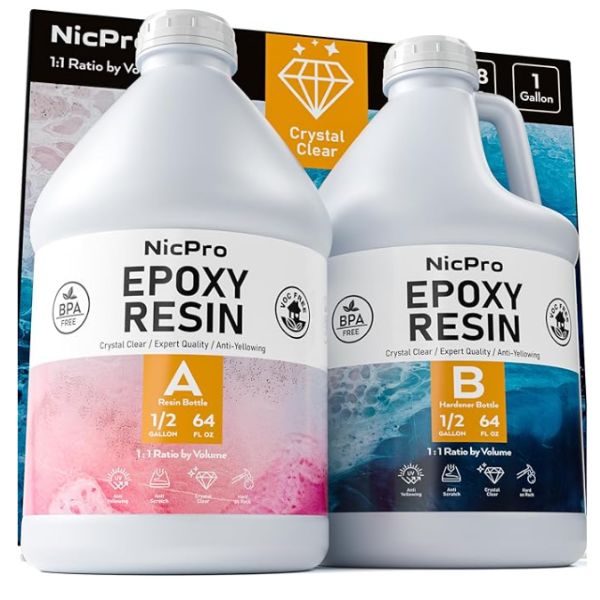
The downside is the difficulty: epoxy is thick, sticky, and messy. Getting it into tight details takes patience, and it must be mixed correctly to cure safely. For large or complex pieces, you may need multiple coats.
Quick Takeaway:
- Use clear Plasti Dip for simple shapes, flexible surfaces, or when you want quick application.
- Use epoxy resin when you need a durable, transparent seal that won’t cloud fine details.
Up next: the best way to choose the right paint based on the material you’re working with: PVC, foam, resin, terracotta, and more.
Material-Specific Paint Guide: 6 Types
PVC, Foam, Resin, Terracotta & More
Different materials react very differently to paint, which is why one “aquarium-safe” product may work flawlessly on PVC but fail on concrete or foam. Choosing the right paint starts with understanding the surface you’re working with.
Here’s a quick breakdown of the most common materials hobbyists paint and what actually works on each.
1. PVC & Plastics
PVC pipes, fittings, and plastic decorations are where Plasti Dip performs best. It bonds tightly, flexes with the material, and resists long-term submersion without cracking. Traditional spray paints tend not to grip as well unless the surface is extensively prepped.
- Use: Plasti Dip
- Avoid: Standard spray paints unless fully sealed
2. Styrofoam & Foam Backgrounds
Foam is tricky because many spray paints melt it. For 3D backgrounds, the standard method is to first coat the foam in hydraulic cement, such as Drylok, then paint over that hardened surface. Rust-Oleum Acrylic Enamel 2X is the most reliable option once the foam has been sealed.

- Use: Rust-Oleum (after sealing with Drylok)
- Avoid: Unsealed spray paints
3. Resin & Plastic Decorations
Most aquarium ornaments are resin-based and work well with either Plasti Dip or Rust-Oleum, depending on the texture. Smooth resin can take Plasti Dip well; textured resin usually looks better with enamel finishes.
- Use: Plasti Dip or Rust-Oleum
- Avoid: Craft paints unless sealed
4. Concrete, Cement & Hardscape Structures
These materials are highly porous and require durable coatings. Rust-Oleum Acrylic Enamel bonds securely and resists breakdown underwater, which is why it’s widely used for faux rock backgrounds and pond installations.
- Use: Rust-Oleum
- Avoid: Latex wall paint

5. Terracotta Pots
Terracotta is porous like cement and absorbs paint unevenly, so choose a product designed for hard surfaces. Rust-Oleum covers cleanly and holds up for years once fully cured.
- Use: Rust-Oleum
- Avoid: Acrylic craft paint without sealant
6. Glass Panels
Glass doesn’t accept most paints well unless the coating is designed for smooth, nonporous surfaces. Dupli-Color provides the smoothest, streak-free finish for painting the back of an aquarium.
- Use: Dupli-Color
- Avoid: Plasti Dip on glass, because it peels very easily
Up next: common painting mistakes that lead to peeling, chemical leaks, and fish deaths, and how to avoid all of them.
Top 6 Mistakes That Kill Fish When Painting Aquarium Decor
Even when you choose the right paint, it’s still possible to cause problems in your aquarium if the application or curing process goes wrong. These are the mistakes that lead to peeling surfaces, chemical contamination, bacterial crashes, and unexplained livestock deaths.
1. Using Paint Before It’s Fully Cured
Paint may feel dry long before it has actually finished curing. Until the curing process is complete, solvents and binders continue to release into the air and into water if submerged too soon.
This is one of the most common causes of toxic residue in tanks.
2. Skipping Surface Prep
Dirty, oily, or glossy surfaces prevent proper bonding. When paint doesn’t adhere evenly, it eventually peels or flakes underwater. Your fish can ingest any loose particles.
3. Painting Over Metal
Unless the metal is sealed perfectly, it will corrode in water and release harmful ions. Even tiny metal components inside decorations can cause long-term issues.
4. Using Too Many Paint Layers
Heavy coats trap solvents inside the paint film. Those solvents may leach out once the item is submerged, even if the outer layer feels dry.
5. Forgetting to Rinse After Curing
Residual dust or loose particles from the curing process can cloud water or irritate sensitive species. A quick dechlorinated rinse is an essential final step.

6. Painting Inside a Running Tank
Spray paint and aerosolized solvents spread further than you think. Even light overspray can contaminate the water, filter media, and biological surfaces.
So, if you’re wondering, “Is spray paint safe for aquariums?” It can be, but only when used correctly and safely.
Quick Takeaway:
Avoiding these mistakes ensures the paint remains stable, inert, and safe in the long term, protecting both your fish and your hardscape.
Up next: how to safely paint aquarium decorations from start to finish, including prep, application, curing, and testing.
How to Paint Aquarium Decorations: 6 Steps
Without Poisoning Your Fish
Painting aquarium decor is safe when done correctly, but every step must be deliberate. This section walks you through the entire process, from prep to curing, so the finished piece is fully inert and ready for long-term underwater use.
1. Choose the Right Paint
Select a paint that hobbyists have already proven safe: Plasti Dip for plastics, Rust-Oleum Acrylic Enamel for hardscape materials, or Dupli-Color for exterior surfaces and back panels. Avoid anything with anti-mold additives or metallic flakes.
2. Clean & Prep the Surface
Wash the item with hot water and a mild detergent, then rinse thoroughly. If the surface is glossy, lightly sand it so the paint can grip. Proper prep keeps the coating from peeling later.
3. Apply Thin, Even Coats
Spray in controlled passes about 6–8 inches from the surface. Thin layers bond better, cure faster, and prevent solvent pockets. Allow each coat to dry before adding the next.
4. Let the Paint Cure Fully
Dry time and cure time are not the same. Most aquarium fish-safe paints feel dry within minutes, but require several days to complete their chemical curing process. A full week is a safe standard for nearly all products.
5. Rinse Before Submerging
After curing, rinse the painted item in dechlorinated water. This removes any loose dust, residue, or surface particles that formed during the curing process.
6. Perform a Soak Test
Before placing the item in your display tank, run a 48–72 hour soak test. Check the water for cloudiness, odors, residue, or shifts in pH or ammonia. If everything stays stable, the item is ready for the aquarium.
Quick Takeaway:
Following these steps eliminates the risk of chemical leaching and ensures your painted decor remains safe for years.
What If You Don’t Want to Paint Your Tank?
A Fast, Clean Alternative
Painting isn’t your only option for getting a solid background on your aquarium. Many hobbyists prefer using self-adhesive vinyl, which creates the same blacked-out look or custom image w Vinyl backgrounds are: This quick clip from Custom Aquariums shows how amazing a fish tank background can look: Up next: the most common questions hobbyists ask about aquarium-safe paint. These are the questions hobbyists ask most often when choosing paints for aquarium use. If you don’t see yours below, ask us in the comments, and we’ll do our best to find the answer for you. Spray paint can be safe only if it cures fully and is a product hobbyists have repeatedly tested underwater, such as Plasti Dip or Rust-Oleum Acrylic Enamel. Most generic spray paints are not stable enough for submersion unless sealed. Only if the item is sealed afterward. Acrylic paint softens and releases pigment underwater unless protected with clear Plasti Dip or epoxy resin. Yes. Once cured, it forms a flexible rubber coating that doesn’t chip or crack. Many reef keepers rely on it for PVC pipes and equipment with long-term success. For plastic or resin items, Plasti Dip is usually the safest option. For rockwork, foam, or concrete projects, Rust-Oleum Acrylic Enamel performs better. You can, but most hobbyists paint the outside of the back glass instead. Dupli-Color gives the cleanest, streak-free finish for external panels. Inside painting risks scratches and uneven coverage. Yes, as long as you choose options known to tolerate saltwater. Plasti Dip and Rust-Oleum Acrylic Enamel are the most reliable for marine tanks. No. Plasti Dip and Rust-Oleum generally do not require sealing when used correctly. Craft paints and decorative finishes must be sealed. A full week is the safest standard. Paint may feel dry quickly, but curing takes days and is necessary for chemical stability. Yes. A 48–72 hour soak test helps detect residue, cloudiness, odors, or chemical drift before anything enters your main aquarium. Truth be told, it doesn’t really matter what paint you use on the outside of your tank, as this isn’t going to come into contact with your fish. I have seen hobbyists use spray paint, rolled-on acrylic paint, Plasti Dip…They all leave a smooth finish that makes the inside of your aquarium pop. While most hobbyists use flat (matte) paint for their background, it doesn’t matter too much if you use gloss or semi-gloss. The glass is going to add glare when you look at the background from the inside of your tank anyway. For stands, cabinets, and anything your aquarium rests on, use an oil-based paint. Oil-based paints are water-repellent and hold up well to being splashed with water during a water change. If you want to keep improving your setup, check out our guide to finding the best LED fish tank light for healthy growth and clear viewing. And learn the easy steps to create a low-stress environment your fish will actually thrive in. Discover what a fish-in cycle really requires to avoid ammonia spikes, and follow our simple walkthrough on how to cycle an aquarium the right way from day one. These next reads will help you build a stable, stress-free, beautifully lit tank your fish can call home. Tell Us Your Paint Success… or Disaster. Did your PVC pipes come out perfect, or did your “quick DIY project” turn into abstract aquarium art your fish now have to live with? Drop your victories, fails, and accidental modern masterpieces in the comments so future fishkeepers can learn (and laugh) from your adventures.
Frequently Asked Questions
Is Spray Paint Safe for Aquariums?
Can I Use Regular Acrylic Craft Paint?
Is Plasti Dip Really Safe Underwater?
What Paint Is Best for Aquarium Decorations?
Can I Paint the Inside of My Tank?
Does Aquarium-Safe Paint Work in Saltwater?
Do I Need to Seal Everything I Paint?
How Long Should I Let Paint Cure Before Adding It to the Tank?
Should I Soak-Test Every Painted Item?
What’s the Best Paint For Outside my Tank?
What’s the Best Paint For my Aquarium Stand?
More Guides to Keep Your Aquarium Safe & Thriving




DOES THE PLASTI DIP PAINT SCRAPE OFF EASILY AS DOES ACRYLIC PAINT WILL WHEN USED ON THE GLASS PANEL OF A FISH AQUARIUM TANK?
Hi Donna,
It depends on your definition of “easy” If you mean accidentally scratching it, Plasti-Dip is more durable than acryllic. If you mean removal, yeah you can peel it off with a little effort.
I found this very helpful, Thank you so much. I had a tank that had been neglected and I did not want to replace all of the faded decorations that I was fond of. Fusion pain should be the perfect solution. Thanks again.????????
Does this mean fusion spray paint can’t be used on concrete? Also I heard pure acrylic paint can be used but idk what is the brand or where to find it.
Hi Melissa,
I wouldn’t use Fusion spray on concrete. I’d also be hesitant to use any other paint without sealing the concrete first.
Hi, Can I use plasti-dip to spray the base off an aquarium on the inside
Hi Timothy,
Given that it’s on the inside of your tank, and likely to be scratched, I’d suggest cutting colored plastic to size and laying it at the base of your tank.
Hi Ian, Im a huge tank nut and have had probably 30 tanks in my life. Im getting ready to start a new 55. Thing is I want to decorate in with ‘unavailable’ colors. Im thinking of doing a large flat rock. However, I want to do it in Muddy Girl camo for my wife. Which would be a Fusion base, then hyro dipped with the black pattern. If I clear coat it…. Do you think the hydrodip would be safe for the fish ? And what clear coat can I use that would be safe ??
Hi Ron,
I’d look into a clear coat, epoxy resin will seal in whatever is underneath and is inert once cured. The focus should be on sealing the object completely, as any gaps in the resin will allow your paint to leach into the aquarium.
I have a piece made out of cement that is supposedly painted with aquarium safe paint. I hate to take the chance of putting it in the tank and having all my fish die. Is there a clear spray item that I can use to protect the concrete item? Thank you!
Hi Karen,
Most 2 part epoxy resins that dry clear are aquarium safe and seal whatever is coated.
I have some rather expensive aquarium decorations that need a new coat of paint. You know, the typical resin type like pots, bridges, etc…These need to be brush painted bc of the detail involved. Is there a way to safely accomplish this or do I have to buy new decorations?
Hi KM,
You can seal anything with a 2-part epoxy resin. However, this will be difficult and time intensive to do (resin doesn’t spread in the same way paint does) depending on how much your decorations cost, it is often cheaper and easier to buy new ones.
my local walmart does not carry krylon fusion, however they do have Rustoleum everything. is there a suitable version of this brand. there are several varieties that claim to bond to plastic. thanks in advance.
Hi Jason,
I have no personal experience with Rustoleum. Everyone in my circle uses Kyrlon Fusion, myself included. Because these paints aren’t *designed* to be used underwater, even the ones I recommended, I stick with what I know to personally work. As a result, I do not feel confident even speculating on Rustoleum. You would need to speak to someone who has successfully used it in an aquarium setting. Remember, even if a type of rustoleum paint turns out to be safe, it doesn’t mean the whole range is. There are plenty of kyrlon paints that shouldn’t be used in an aquarium setting.
thank you for your feedback. i will just trust your findings and look at lowes and home depot for krylon fusion. i am sure i will find there or online if need be. ????
I am making a custom terrarium for our Chinese water dragons, we are using craft styrofoam to shape a lot of our decor, including the waterfall. I was going to use plasti dip. can krylon fusion be used on styrofoam?
Hi Natalie, I can only comment on my experience with aquarium backgrounds, which are often made from styrofoam. Generally you’d coat it either with cement or use drylock first. I have no experience applying Krylon Fusion directly, it’s likely it will melt the styrofoam like many other spray paints.
OK, So if I do my styrofoam in drylock first then pain with krylon fusion I should be good?
Hi Bill,
I don’t believe Kyrlon Fusion will adhere to Drylock.
I’m making a sandfall out of styrofoam, what should I paint it with to get the stone look? Thanks
Hi Aimee,
Many fishkeepers just “paint” over the styrofoam with cement. You can add quickrete dyes to adjust the color. You want the concrete runny, like paint. There are plenty of guides on how to create 3d aquarium backgrounds online, as this is somewhat outside the scope of the article.
Great post! Thank you!
I had a question about the Krylon Fusion. I am buying a new large coral ornament for the tank but I read in reviews that the colors fade, so I was hoping to “seal in” the colors with a clear coat, would the Krylon fusion be best for that? Or epoxy resin? Also where can I buy 2 part epoxy resin? I think spray paint would be easiest so hoping the Krylon Fusion would be okay for that?
Thank you again
Hi joanne,
I do know some people use the clear krylon fusion to seal their decorations but I do not have any experience with it. Based on my experience with other paints in the Krylon Fusion line, I do not know how it would hold to the paint underneath, since it grips plastic best. A 2 part epoxy should be available at your local home depot but it is a pain in the butt to use, it spreads more like treacle than paint. If you are looking for a clear coat spray paint, a clear Plasti-dip would be my recommendation for sealing decorations. Go light, the more layers you add, the “foggier” it will look.
I appreciate this post. I am building an inside 3000 gal pond in my basement. Using a swimming pool liner, which is blue and I wanted to paint the vinyl liner to add some background color because in the front I have a huge 60″ x 24″ window in the front wall.
Knowing I can use krylon fusion as a non toxic paint is a huge deal for me as I was concerned of having all blue for a visual background.
I am excited to add a cool painted background in my line of a kind indoor pond!!!!
Hi Owen,
That sounds like quite a big project! I have no experience with Krylon fusion adhering to vinyl in underwater conditions, so this might need a little more research. I’d test a small piece first and see how it performs? Say, in a bowl of water? Good luck, an indoor pond sounds awesome!
Hello
Thanks for this informative article- I am in the process of building a 3D background for a Malawi tank- the cement and the paints you have mentioned are all US based and impossible to source here in the UK.
Is there any alternatives you are aware of which is available in this tiny island?
Thanks once again.
Hi Subhajit,
Unfortunately, since America is my home, I don’t have any experience with UK products. I have visited there a few times now and it amazes me just how different your product range for aquariums is. I would recommend asking on an online forum for UK alternatives. I’m sorry I can’t help more. Good luck!
Is krylon fusion for plastic spray paint the same as krylon fusion all-in-one spray paint? I’ve currently checked their site and it seems like they shifted from fusion for plastic to fusion all-in-one.
Hi Joey,
That’s an excellent question. I was at my local hardware a month ago and it was still “for plastic” it’s possible they are in the transition of a rebrand where old stock is being purged first. Admittedly, this is the first I have heard of it.
what paintbcan i use to refresh my aquatic ornaments in my tank
Hi Mark,
If you seal your ornaments, you can use any paint, as the protective barrier will prevent the paint from leaching into your aquarium. I have personally never done thins myself, but I know some fishkeepers use clear plasti-dip to seal – just make sure it’s completely covered.
I work in a hospital and we have a 55 gallon aquarium that I upkeep as part of our recreation therapy program. We want to begin a rock painting project, allowing patients that discharge to decorate a small rock with their initials and drop it into the tank. What paint and sealer would you recommend? As for the rock, I am assuming I can just get some small smooth rocks from a hardware store and then sterilize them?
Hi Jen,
You basically want to avoid any rocks that are classified as carbonite rocks. These can shift the water chemistry. Easy test – if you add a few drops of vinegar and it fizzes, the rock is unsuitable. Limestone and dolomite are the most common but there are others.
As for paint, acrylic would be fine since it is sealed anyway. I have no experience with it, but I have discussed with many people who used the clear plasti-dip to seal re-painted aquarium decorations. It’s the same as my recommendation in the article but transparent. Since it dries as a rubber, it won’t affect your auarium.
Can we use oil painted decoratives in aquarium ??
Hi Xxxx,
If it isn’t sealed, then no.
Years ago…in the late ’60s and early 70’s there used to be paint for aquariums that people actually used for windows/doors in their houses. It came in many different shades and after it dried, and hardened, it had like a swirl or crackle effect. Do you know of this paint and if it is still made?
Thanks.
Hi Susan,
I honestly wish I could help you here. I probably wasn’t old enough, or interested enough in fish, to be able to identify that paint. It sounds fascinating though. Please let me know if you find out what it was!
Old stuff was called Crystal Craze. If you search for crystal glass paint, it looks like some craft stores still carry something similar.
When painting the hood or stand, should a sealant be used in addition to the oil based paint? If so, which?
Is there a latex that can be used instead of an oil based What should I use and what about leaching chemical concerns?
Hi Deja,
It only really matters if you are painting the hood. This is because any condensation is going to drip back into the tank. Any furniture sealant that doesn’t have mold inhibitors will be fine. The stand is less of an issue since water from your tank won’t come into contact with this.
Do you know if Krylon Fusion All in one is aquarium safe?
Is there a clear coat option available? I was considering using plastic figurines or toys instead of off the shelf ornaments sold in store
Hi Damo,
Plasti Dip makes a Clear Spray like this
I was looking to repaint a castle. fine touches. spray paint isn’t an option
are there any other choices?
Hi Robert,
The alternative is to use any old paint and make sure it is properly sealed with clear sealant before adding it to your aquarium.
What paint would be good for both a glass piece and a piece of coral that will be constantly in water. Thank you so much. Barb
Hi Barb,
I’d have to say plastidip spray paint. You’ll need to make sure your coral is clean and free of contaminants before coating.
Hi Ian
making a hood for my aquarium from wood. what is the best paint for wood
Hi Ken,
Great question, it matters less what paint you use and more what you seal it with – water isn’t in constant contact with the hood, besides some condensation that may fall back into the tank. An inert sealant would allow you to use any paint you desire – however, since these things go inside, I would suggest a low-voc paint.
Hi. would this also be considered safe in the plastidip line:
Plasti Dip 11212 Glossifier
Hi Amani,
No experience with that one, Plasti Dip Does a Clear Rubber Coating that I have personally used and recommend if you want to seal paint in. The number is Plasti Dip 11209
What kind of neon or GloFish paint can I use that will glow under LED Blue/Actinic lighting? I want to paint and make some aquarium ornaments glow, which afterward I will seal with clear Performix Plasti Dip.
Thank you
Hi William,
I don’t know of any aquarium safe paint that glows under Actinic lighting. You could use something you know works and rely on a clear sealer to separate it from the tank water?
Hello William, I’m a professional painter I mainly paint night clubs. I use Krylon neon paint all the time. It works wonderful with black light and really glows. If you decide to paint with it let it dry and cure for a week then I would coat with clear plastic dip and let that dry and cure for a week. I bet this will work! Maybe if you are unsure do a test tank with inexpensive fish and monitoring it to see if any fish become ill. Keep in touch with us if you try this.
Patti,
I’m sorry you consider any living creature disposable and have no problem using “inexpensive” fish as test subjects to see if a type of paint kills them. That is barbaric. Just because a Petco decides that a common goldfish is only with 16 cents doesn’t mean we have to be heartless and consider them disposable. We need to change our approach to how we treat and care for all fish.
Wonder if you were eating a burger while you typed this?
Great response!!!! Fantastic!!!! Couldn’t have said it better myself! Bravo!!!!????
Hey William,
You can use non-toxic acrylic paint from the crafts department at Walmart and then seal it with the performix plasti dip. That’s what I used. I like the acrylic paint because it’s safe. There’s nothing harmful to leech out into the tank. Just be sure to seal it because acrylic paint is water based and will wash away if it isn’t sealed properly. I hope that helps.
Hi,
Very useful advice thanks. I looked up plasti dip on amazon and it says harmful to aquatic life. Would you clarify this please.
Thank you
Hi Rob,
Excellent question! Myself and many other fishkeepers have been using this for years. It very likely is harmful if you spray it directly in a tank. But once it dries and cures, it forms an inert rubber, that can be added to your tank. There are many youtube videos and forum posts discussing this that can be found qith a quick google search. I hope this helps!
what kind of paint would you recommend for live rock? i wanna paint my live rock purple.
Hi Manny,
I wouldn’t recommend painting live rock. In a saltwater tank, this is your biological filtration. By painting it and sealing it in, you are going to defeat the purpose of adding live rock to your tank.
Thanks for clarifying Ian.
Not a problem, Rob.
Thanks for being a diligent fish keeper!
Does it matter if a metallic color of Krylon fusion paint is used?
Hi Lana,
As long as you use an inert clear sealant, you could use this as it’s going to be a barrier preventing the water from coming into contact with the paint. Make sure you seal it properly though, you don’t want paint leeching into your tank.
Excited to see you are an avid responder to these questions. Cause as much as trial and error is fun, it’s the water babies on the line. So I’d love your input:
I have a 60gallon tank with a couple axolotls in it. Natural plants and some guppies to create a micro ecosystem. Because the axolotls are Mexican origins and hate bright lights (limiting real plant ???? options) I thought having a local artist paint up a couple aquarium safe skulls as sugar skulls, would be a really cool addition. However I’m very nervous on how to best go about painting and sealing these skulls. Any advice would be appreciated, loved the article.
Hi Lance,
I’ll say upfront that I have very little experience with axolotls, so any advice given here is based on my experience with fish. For sealing, a 2-part epoxy will work fine although it’s very glue-like and difficult to spread over surfaces (you’ll need time and patience) otherwise Plasti-dip does make a clear option which is what the fishkeepers at my club use. The focus is on completely sealing the painted skull, since any exposed area will leach into the water and, depending on the paint use, may negatively impact your axolotl.
hey Ian , very good suggestions , my question may seem simple but,,,all these painted decorations what do they use, the same ? thank you.
Hi Frank,
That’s a very good question. And it’s quite complicated!
I have tried to ask aquarium companies such as Penn Plax in the past what they use to coat their decorations and have never gotten a satisfactory response
Some generic decorations use the dangerous paint – many decorations after being in your tank for some time will peel.
I would *assume* that the big aquarium brands use paint that is safe on their decorations, but we will never know for sure unless they reveal the paints they use.
Hi Ian,
My wife and I are finalizing plans to build our aquarium into our wall. So it will be viewed from both sides as the wall it is going into will divide our great room from the den/office. It will be a larger tank 300 gallons +/-. We will have it framed in on the great room side creating a picture-like appearance, the den side will be much more open & serve as the fish room. My question is what would you recommend for sealing the walls/drywall on the inside of the divider wall the aquarium will be in? Should I use backer-board, drylok paint or some kind of dry sheet membrane to prevent the humidity from damaging the drywall that is on the inside of the divider wall?
I’ve been debating over this for some time and I would love to hear your advice!
Hi Ashley,
Good question. I have never used an aquarium as a divider, but one of the members of my local fish club does. I believe he painted the wall with drylock.
I am having a hard time finding plasti-dip in clear where I live. I was wondering if aquarium silicon could be used to seal a foam 3d background. Background was painted with safe acrylic paint but I want to seal the background.
Hi Ric,
My concern with silicone is that over time it can discolor, which will make the background look off.
Hi there, I hope you haven’t already answered this exact question. I was at the Home Depot and they have the drylok that I believe you said was aquarium safe but it looks a bit different and comes in both white and grey. Could you help me determine if these are indeed the same items? Thank you.
They are latex original.
https://www.homedepot.com/p/DRYLOK-1-Gal-White-Masonry-Waterproofer-27513/100118662
Hi Jennifer, I am unfamiliar with that packaging but it looks like it could be the same. If it’s latex based and doesn’t contain anti-fungal or mold inhibitors, then it’s likely just a rebranding with new packaging.
Hi Ian
I have human skeleton (not real haha) which is made out of PVC plastic and metal to link the joints together. In your opinion which spray would be best that covers both materials or will I have to remove the metal and glue the joints together?
If I have to glue, which glue would you recommend?
Many thanks
Hi Lee,
That sounds like a fun project! I would avoid placing any metal in your tank, unless you can be confident you can completely seal it, which is a headache in itself. If the joints can be removed, it would be better if you go down that route.
As for the glue, superglue gel is aquarium safe. I’m USA based, so I don’t know what you have available in the UK (judging from your email) but if you are read the ingredients, the only ingredient should be “cyanoacrylate” – it’s aquarium safe.
You are well informed Sir!
It’s great to see someone who knows what they’re talking about!
I’m looking at painting the back of my tank black.
Also, I have plants in my tank but they keep on dying. I only have fine aquatic white sand. I believe that due to no substrate or water flow in the sand that this would be the likely reason for them dying?
Regards
JR
Hi James,
If they are rooted plants, the sand is providing them no nutrients. You can either use aquasoil (capped with sand to keep the same look) or root tabs to get around this.
Hi! I built a custom lid for my 75g aquarium. I need to seal the entire bottom so moisture does not warp the wood. What is the best solution for this?
Thanks in advance!
Hi Sabrina,
Many fishkeepers use a clear polyurethane spray.
When you use the plasti dip paint, you sprayed it on the outside of the aquarium rather than inside, yet said it was completely safe for the fish…my question is, is there a reason you chose the outside rather than inside, and if painted on the outside does it still give that mirror like reflection when the water is out in. I’m going to building an indoor pond that can be easily moved should we move again and I want all sides to be blacked out like a pond except the very front so it can be seen from above or from the front.
Hi Mia,
You could paint the inside of the aquarium if you wanted, but it’s much easier to use plastidip on the outside since it’s easier to evenly coat a single panel of glass. This is especially true of smaller tanks.
There is a gloss black option if you want something shiny.
Is there a specific paint to use on the glass inside the tank. I’ve a 200 gallon tank that they have a mirror on the inside along the back but it’s all messed up and was thinking it would be easier to paint than to remove.
Hi Steven,
It’s going to be difficult if you still have fish inside. Everything will need to be removed since paints are not safe until they cure and using a spray paint will be difficult with limited room to maneuver. There is also the problem that if you wipe it down, you’ll likely scratch it. I’d suggest blocking the view of rear with plants, decorations or similar over paint. Otherwise, plasti-dip will work, but it has all the issues mentioned before.
Which of these products would you suggest for painting the inside of a fiberglass tank? We raise endangered and our current tanks are so light in color that the fish appear stressed from the brightness. We also clean the tanks with Ovadine and a 190 F geothermal water in between uses. Will any of these products resist these conditions best? Thank you.
Hi JDO,
I do not have any experience with fiberglass, only glass or acrylic. Unfortunately, I’m unsure how these paints would go when applied to fiberglass.
curious question if I may, if doing a background using foam then drylok, do you need to seal the drylok paint also? like using the krylon in a clear? of does the drylok need a sealer at all?
thanks
Hi Brian,
In this case drylock is the sealer. If you are making a foam background, I recommend following the steps online, to ensure that everything is sealed correctly.
Terrific site, very informative and very well done. Re Krylon Fusion All-In-One, as of 1/31/2020 Fusion All-In-One Paint+Primer is labeled and advertised as applicable to glass as well as plastic, etc. In looking at the Krylon site, it appears that Krylon Fusion for Plastic may have been discontinued.
I had ordered Fusion All-In-One to do a back (outside) panel on a new tank – but now I’m intrigued by and will try Plasti-Dip. Not that I ever overspray …
Thanks again!
Hi Mike,
Thanks for clarifying this. I have looked over the MSDS of a couple of these re-branded sprays and it appears that the ingredients are identical. I plan on doing a re-scape in the next 6 months in which I will need Krylon All-in-one, in which I will explore whether it is suitable for glass.
Thanks so much for sharing this information and good luck on your background!
Hi Ian
I have a 200 gallon tank but the bottom of the tank was cracked & repaired I just wanted your advice on what to use to reseal it again
Thanks jeff
Hi Jeff,
I don’t advise sealing cracked tanks, since there is forever a risk of the tank leaking.
Is Krylon Fusion All-in-One fish safe, compare just regular Fusion? More specifically the textured paint?
Hi Matthew,
Judging from the MSDS I have read, it appears to be a change in brand name rather than formulation. I am currently testing the blue color and performance appears to be the same.
I used black krylon fusion on some PVC thats going in my salt tank. Im thinking I should coat it with clear plastidip in case my trigger decided to peck at it. Do I have to wait 7 days before doing the plastidip coat?
Thank you so much for all this information
Hi Bree,
Absolutely. Just in case the plastidip chips or scratches – a rock or decoration might fall, you might slice it with your gravel vac etc. etc.
Hello sir, I have painted some stones with Acrylic Fabric Paint. Is it safe for aquarium which had live plants and live plants fishes like Neon, Shrimp and Snails.
Hi Karthikeyan,
You would need to seal the paint. Epoxy resin or clear plasti-dip would do it (but use lots of layers).
Hi, I currently have a 4 foot tank which is divided and I painted the glass divider with a water based white paint. Is this safe ?
Thanks
Hi John,
A water based paint that isn’t sealed is going to leach into your water.
How do I seal it. To be completely honest I purchased a very expensive pair of discus which died in a day and didn’t know what the reasoning was. So do you think it could be the paint. And if I seal it can it completely fix the issue and stop it from leaching or do I need to paint from scratch
Kind regards john.
Hi John,
You would need to use something like a clear plasti-dip or epoxy resin. Note that if the clear coats scratches or chips, you will have the same problems with paint leeching.
To confirm, did you cycle your tank before you added your fish?
Yes the tank was completely cycled. What would you recommend to re paint it or just put layers on the white paint already there. I want to be extra careful to not make the same mistake
Thanks
Hi John,
As long as you completely seal it, it doesn’t matter what the condition is underneath – only the sealant is coming into contact with your water. Be careful that the sealant doesn’t chip, scratch or crack otherwise the paint underneath will once again be exposed to your water. However, my advice would be to use a more appropriate divider that is water safe or keep the glass clear and use plants as a visual divider. otherwise, It might take years, but you may accidental scratch the sealant when cleaning or similar.
Hi Ian I want to change the outside of my fish tank cabinet which is teak to black to match the colour scheme in my lounge but because it is laminate I.was advised the paint will not stick. I also.have some pebbles I got with mt electric fire place and a money box skull can I put these in the fish tank as ornaments. Thank you.
Hi Susan,
I cannot comment on painting your cabinet, the scope of this article is around the aquarium itself. I would advise against adding anything that is not designed to go in your aquarium, unless you are entirely sure what it is made of, as it may leech chemicals and kill your fish.
I have a question about the Krylon Fusion paint. In the article you showed a picture of Krylon Fusion for plastic, but the link goes to Krylon Fusion All-in-One. Is the All-in-One also aquarium safe, or only the “for plastic”?
Great question! The Krylon Fusion All-in-One is indeed aquarium safe, just like the Fusion for Plastic. Thanks for pointing out the link issue—we’ll update it to avoid further confusion!