When you purchase through links on our site, we may earn a commission. Here’s how it works.
If your tank has ever turned cloudy or your fish started acting strange, you are not alone. Most aquarium problems come from a handful of beginner mistakes that are easy to avoid once you know what causes them.
Below are the mistakes that create the most problems in home aquariums. You will learn how to spot and fix them quickly.
Table of Contents
Key Aquarium Terms You’ll See In This Guide
Understanding a few basic terms makes the rest of fishkeeping much easier. These quick definitions will help you follow along without needing to search for anything.
- Ammonia: A toxic waste produced by fish and decomposing food. Even small amounts can harm fish.
- Nitrite: A harmful compound created when ammonia breaks down. Nitrite reduces oxygen in a fish’s bloodstream.
- Nitrate: A less harmful end product of the nitrogen cycle. You remove nitrates through regular water changes.
- pH: A measure of how acidic or alkaline your water is. Most freshwater fish prefer a stable, midrange pH.
- Bioload: The total amount of waste produced by the fish in your tank. High bioloads stress filtration systems.
- Beneficial bacteria: Healthy microorganisms that convert toxic compounds into safer forms. They live mainly in your filter and substrate.
Top 5 Mistakes That Cause Fish Tank Problems
Most aquarium problems stem from predictable issues that many beginners do not realize are occurring. These mistakes create a chain reaction that affects water quality, fish behavior, and long-term tank stability.
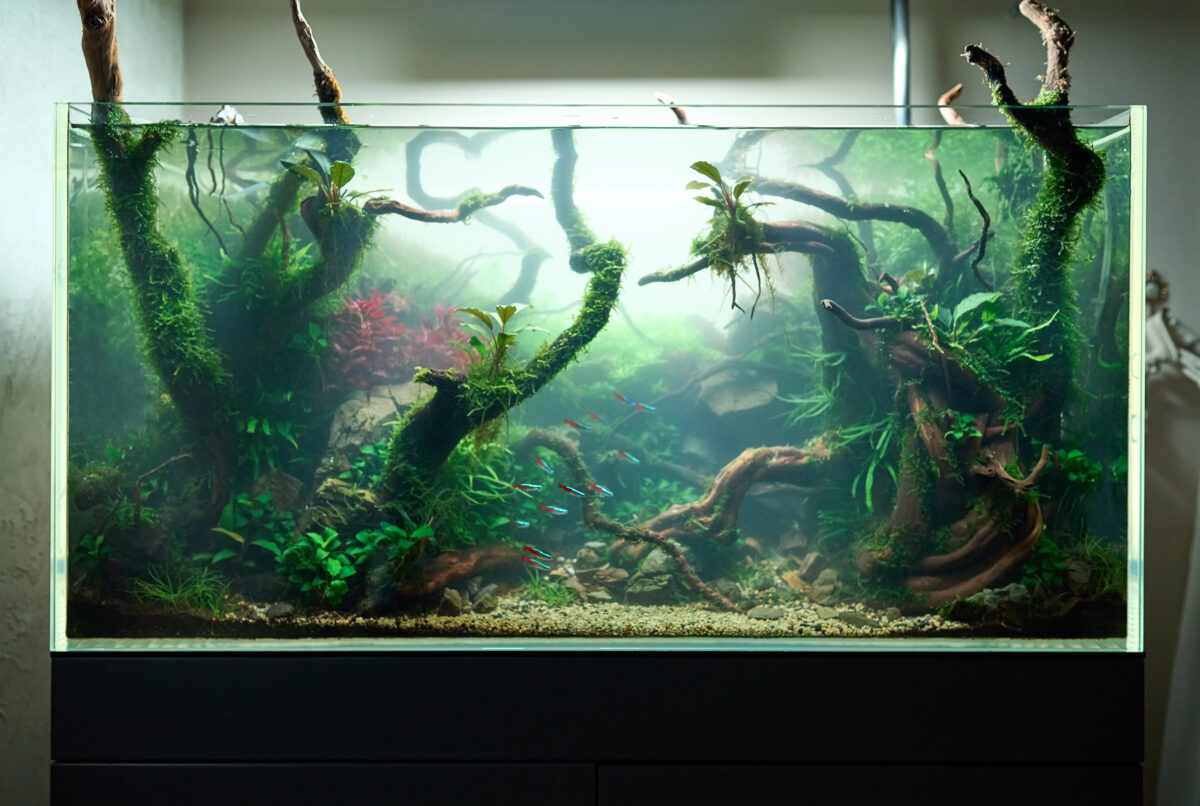
Mistake 1: Choosing A Tank That Is Too Small
Small tanks look easy, but they are the least forgiving. Even small amounts of waste or uneaten food can send water quality in the wrong direction.
If you are unsure whether your tank is too small, think about how quickly it gets dirty. Fast changes usually mean the tank volume is too low.
Why It Matters
Small tanks experience faster changes than larger ones because there is less water to dilute toxins. Ammonia and nitrite levels rise quickly, which can cause immediate harm to fish and create conditions difficult to correct.
Rapid shifts in temperature, pH, and oxygen levels are also more common in small tanks. Fish become stressed when the water feels unstable, which weakens their immune systems and increases the risk of disease.
Crowding is another issue that happens more often in small setups. Many fish grow larger than expected, and cramped space increases aggression and waste production.
How To Fix It
A larger tank creates a more stable environment because it holds more water and spreads out any changes. Bigger tanks also give your fish room to swim and behave naturally.
Here is what to do:
- Avoid adding fish until your filtration and tank size match their needs.
- Choose the largest tank that fits your space and budget.
- Start with at least 10 gallons if you are a beginner.
- Research the adult size and activity level of each fish.
Tank Size Comparison: Footprint, Space & Stocking Capacity
This chart shows how many fish each tank can comfortably support.
| Tank Size | Typical Stocking Capacity | Where It Fits |
|---|---|---|
| 10 Gallon | 1 betta with shrimp/snails; 5–7 nano fish | A small side table, dresser top, or countertop |
| 20 Gallon | 10–15 small fish | A small aquarium stand or medium console table |
| 50 Gallon | 20+ small fish | A dedicated stand or cabinet with strong floor support |
For more tips, read our guide on how to choose an aquarium.
Mistake 2: Skipping The Nitrogen Cycle
Many new fishkeepers set up the tank and add fish right away. This creates a dangerous situation because the beneficial bacteria that process waste have not had time to grow.
Why It Matters
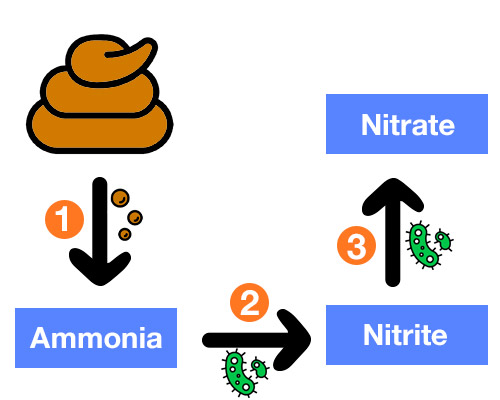
The nitrogen cycle protects your fish from toxic waste. Without it, ammonia from fish waste builds up quickly, causing irritation, gill damage, and stress.
Nitrite, which forms as ammonia breaks down, is also dangerous. Even small amounts of nitrite reduce oxygen levels in the blood and make it harder for fish to breathe.
Tanks that are not cycled often experience sudden deaths or rapid disease outbreaks. New fish are especially vulnerable because they are already stressed from transport.
How To Fix It
Cycling your tank builds a strong base of beneficial bacteria and keeps the water safe for new fish. The process is simple but requires patience.
Here is what to do:
- Add new fish slowly so the bacteria can adjust to increased waste.
- Set up the tank with water, substrate, and a running filter before buying fish.
- Add bottled bacteria or a small pinch of fish food to feed the cycle.
- Test ammonia, nitrite, and nitrate every few days.
- Wait until ammonia and nitrite reach zero before adding fish.
For more details, read our article on how to cycle your aquarium.
Mistake 3: Using Inadequate Aquarium Filtration
Filtration keeps your tank clean and supports the bacteria that break down waste. Many beginners choose filters that are too small or lack essential media types.
Why It Matters
A weak filter cannot remove enough debris, leading to cloudy water and foul odors. These issues make the tank look dirty and can stress fish.
Poor filtration also limits the growth of beneficial bacteria. Without sufficient bacterial surface area, toxins remain in the water longer, creating unstable conditions.
Inconsistent filtration increases the risk of algae growth. Algae thrive in tanks with leftover food and waste because the filter cannot keep up with the workload.
How To Fix It
Strong filtration keeps your water clear and helps your tank stay stable. It also creates gentle water movement that improves oxygen levels.

Here is what to do:
- Use a filter rated for your tank size or the next size up.
- Make sure the filter includes mechanical, biological, and chemical media.
- Rinse mechanical sponges when they become clogged.
- Replace chemical media, such as carbon, every few weeks if you use it.
- Avoid replacing all media at once to protect beneficial bacteria.
Pro Fix: If your water flow slows down, clean only the sponge or pre-filter first. Keeping biological media untouched protects your nitrogen cycle.
Mistake 4: Rinsing Filter Media In Tap Water
Many fishkeepers rinse their filter materials under the sink without realizing the impact. Tap water contains chlorine that harms the bacteria your tank depends on.
Why It Matters
Chlorine and chloramine kill beneficial bacteria within seconds. These bacteria live on filter media and help convert harmful waste into safer compounds.
If the bacteria die, the tank loses its biological stability. Ammonia and nitrite can rise suddenly and cause serious stress for your fish.
Tanks that lose their bacteria must cycle again, which increases the risk of illness or sudden death. This setback can take weeks to correct.
How To Fix It
Always protect the beneficial bacteria when cleaning the filter. Keeping these bacteria alive is the key to stable, healthy water.
Here is what to do:
- Rinse filter sponges and bio media in a bucket of old tank water.
- Use tank water from your water change for all filter cleanings.
- Replace only one filter component at a time.
- Clean the filter housing under tap water only when media is not inside it.
Mistake 5: Overstocking The Tank
Overstocking happens when fishkeepers add too many fish or choose species that grow larger than expected. The tank becomes crowded, and the filter cannot keep up.
Why It Matters
More fish produce more waste, which raises ammonia and reduces oxygen levels. This creates stressful conditions and increases the risk of disease.
Crowded tanks often lead to aggression. Fish compete for territory, hiding spots, and swimming space, increasing stress on the entire community.
Overstocked tanks look dirtier more often. Cloudy water, algae growth, and constant debris are common signs that the tank is overwhelmed.
How To Fix It
Plan your stocking carefully and consider the adult size of each species. Balanced stocking makes the tank easier to maintain and healthier for your fish.
Here is what to do:
- Research adult fish sizes instead of juvenile sizes.
- Add new fish slowly so the filtration system can adjust.
- Follow conservative stocking guidelines for your tank size.
- Rehome or upgrade if you notice persistent aggression or water quality issues.
Red Flag To Watch For: If your nitrate levels climb more than 20 ppm in a single week, your bioload is probably too high.
Maintenance Habits That Quietly Sabotage Your Aquarium
Many tanks look healthy on the outside but struggle behind the scenes. This usually comes from small maintenance habits that slowly push water quality in the wrong direction.
Good routines help keep toxins under control and keep your fish healthy long term. If you ever feel like your tank looks clean but still acts unstable, this is usually the section that explains why.
Regular Aquarium Water Testing & Changes
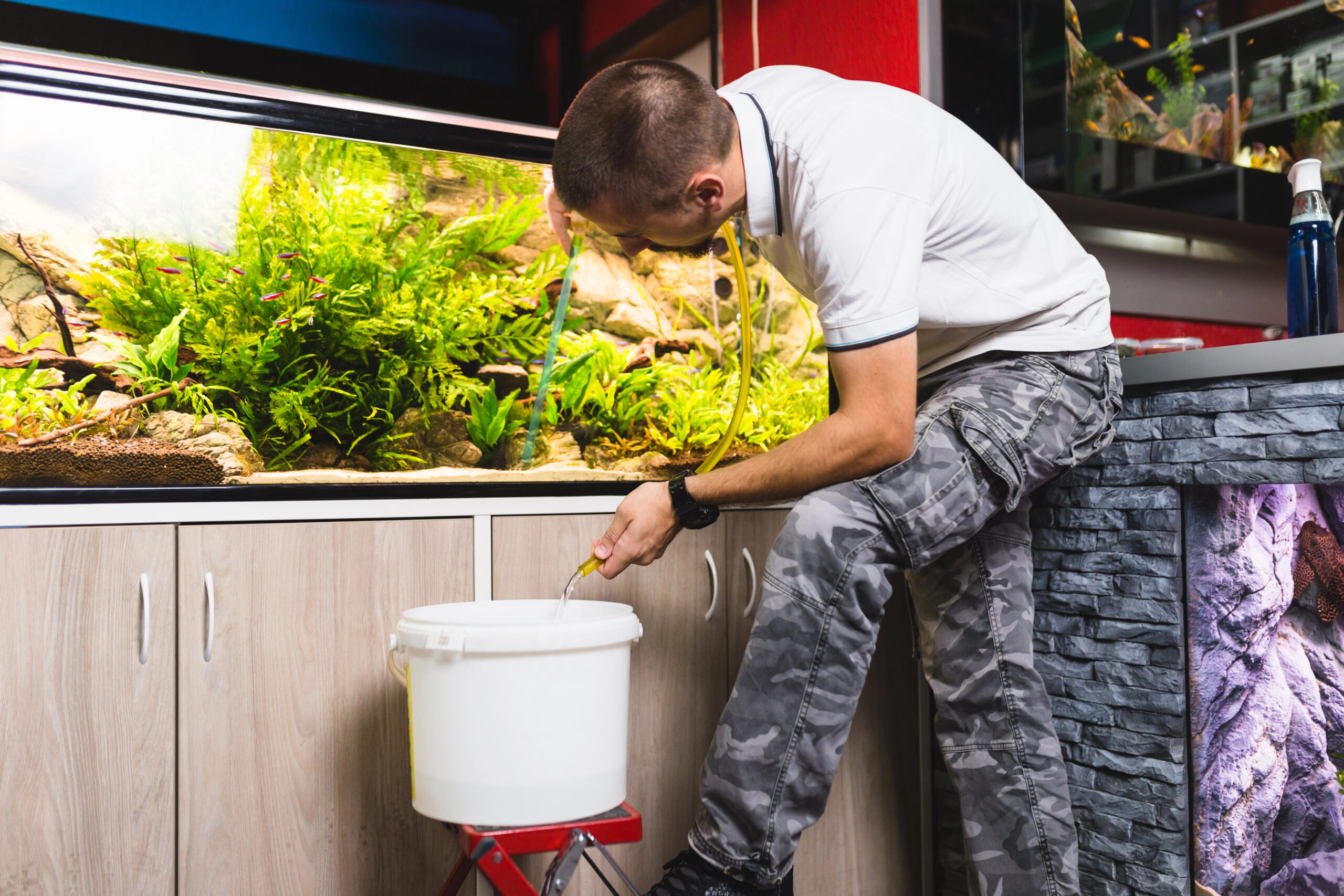
Water can look clear while still holding harmful levels of ammonia, nitrite, or nitrate. These changes often occur slowly, making them hard to notice without regular testing.
Testing helps you see what is happening before your fish show signs of stress. It also helps you understand how fast your tank produces waste, so you can adjust your cleaning routine.
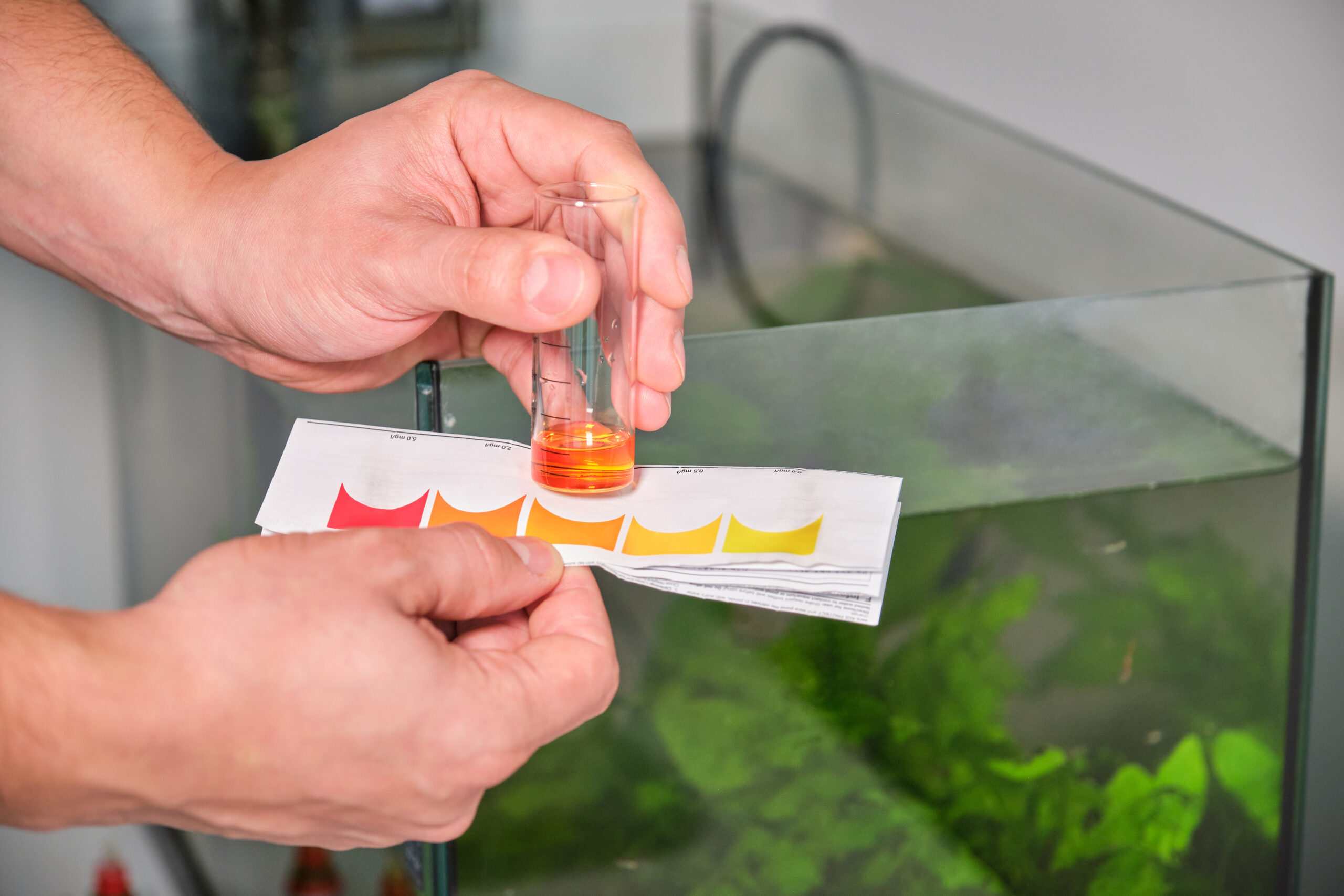
Water changes are just as significant. Clean water dilutes toxins, adds minerals, and removes anything your filter missed. Even small changes can make a big difference in how your tank feels to your fish.
If you cannot remember the last time you used your test kit, it is probably time to check your water.
4 Ways To Stay On Track
- Test pH, ammonia, nitrite, and nitrate once a week.
- Change 15 to 25 percent of the water every one to two weeks.
- Treat all new water with a dechlorinator.
- Keep a simple log to track patterns in your water quality.
Managing Water Conditions & Temperature
Temperature and water chemistry influence every part of your aquarium. Even small shifts can cause stress that weakens your fish over time.
Most freshwater fish prefer a stable temperature in the mid to upper 70s. Heaters help maintain this range, but they need occasional checks to ensure they remain accurate.
Another key factor is pH. Big swings in pH can make fish lethargic, reduce appetite, or increase stress. Stability is more important than hitting a perfect number.
4 Good Habits To Follow
- Use a reliable heater and thermometer.
- Check temperature at the same time each day.
- Keep pH changes slow and controlled.
- Avoid adding fish until the tank has stayed stable for at least a week.
Cleaning & Vacuuming Substrate
A clean tank is more than clear glass. Waste and leftover food sink into the substrate, where they break down and release toxins.
Regular vacuuming removes this hidden debris and keeps the tank smelling fresh. It also prevents algae from feeding on excess nutrients. The goal is to clean enough to remove waste while leaving beneficial bacteria in place.

A quick wipe of the glass and decor helps keep algae under control and improves visibility. These small touches make a big difference in how the tank looks and feels.
4-Step Simple Cleaning Routine
- Vacuum a section of the substrate during each water change.
- Remove visible algae with a soft cloth or scraper.
- Avoid deep cleaning everything at once to protect bacteria.
- Lift ornaments occasionally to check for trapped waste
Fish Care Mistakes That Lead To Stress & Illness
Fish care looks simple on the surface, but small choices can have a significant impact on long-term health. Feeding, acclimation, and disease prevention all play a role in helping your fish feel secure and comfortable in their environment.
If you bought fish before researching their needs, you are in good company. It is one of the most common beginner habits.
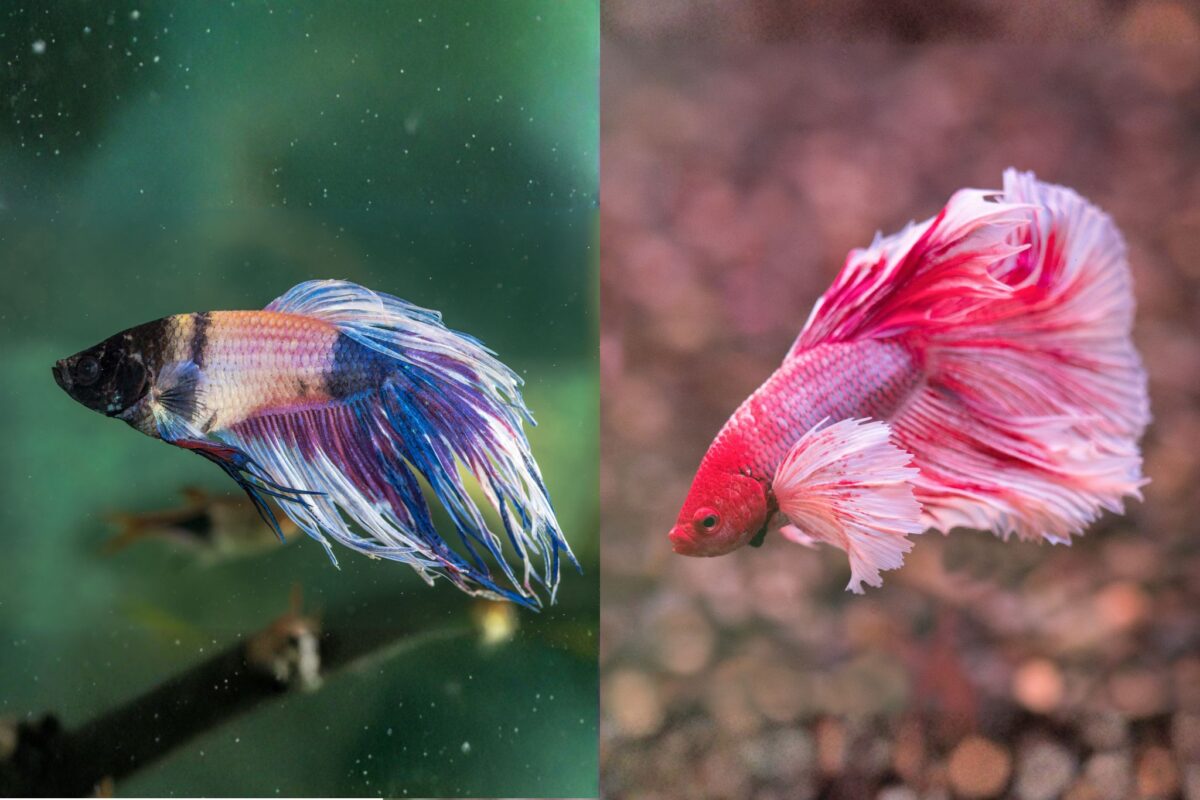
Acclimating New Fish Properly
Moving from a store tank to a home aquarium is stressful for fish. They face new water chemistry, different temperatures, and unfamiliar surroundings all at once.
A slow acclimation gives fish time to adjust and reduces the risk of shock. This is especially important for species that react quickly to changes in temperature or pH. Even hardy fish benefit from a careful introduction.
Watch: How to acclimate new fish without stressing them out. Slow and steady always wins.
4 Acclimation Tips
- Keep the lights dim during the first few hours to reduce stress.
- Float the sealed bag in the aquarium for 15 to 20 minutes.
- Add small amounts of tank water into the bag over 30 to 60 minutes.
- Transfer fish with a net instead of pouring bag water into the tank.
Feeding: Quality & Quantity Concerns
Feeding seems simple, but it is one of the most common sources of aquarium trouble. Uneaten food breaks down into ammonia, and overfed fish often develop digestive issues.
High-quality food makes a noticeable difference in color, energy, and growth. Fish foods vary widely in ingredient quality, and some contain fillers that offer little nutritional value. A small amount of the right food is better than a large amount of the wrong one.
4 Healthy Feeding Habits
- Offer only what your fish can finish in two or three minutes.
- Feed smaller portions once or twice a day instead of one large meal.
- Choose foods with whole ingredients instead of heavy fillers.
- Store food in a cool, dry place to keep nutrients fresh.
Recognizing & Preventing Common Fish Diseases
Most fish diseases start with stress. Poor water quality, sudden temperature changes, and overcrowding weaken the immune system and make fish more vulnerable.
Early signs of illness are often subtle. You might notice a small color change, slight lethargy, or unusual swimming patterns. Paying attention to these shifts helps you intervene before the problem spreads.
Quarantining new fish is one of the most effective ways to prevent disease. This gives you time to watch for symptoms without risking the rest of the tank.
4 Ways To Stay Ahead Of Problems
- Watch for behavior changes such as hiding or rapid breathing.
- Check fins and scales for spots, tears, or discoloration.
- Quarantine new fish for at least two weeks.
- Maintain clean water to reduce stress and disease risks.
Beginner Tip: If your fish suddenly hides more than usual, treat it as an early sign that something is off.
Common Fish Diseases Reference Chart
| Disease | What You’ll See | What Causes It | How To Prevent It |
|---|---|---|---|
| Ich (White Spot Disease) | Tiny white grain-like spots, rubbing on decor, clamped fins | Parasite triggered by stress, sudden temp changes, poor water quality | Keep temperature stable, quarantine new fish, perform regular water tests |
| Fin Rot | Ragged, frayed, or disintegrating fins | Bacterial infection from dirty water or bullying | Maintain clean water, reduce aggression, avoid overstocking |
| Velvet | Gold or rust-colored dusty coating, lethargy, hiding | Parasitic infection often linked to stress or low water temps | Quarantine new fish, maintain stable warmth, keep ammonia/nitrite at zero |
| Dropsy | Swollen pinecone-like appearance, bloating, lethargy | Organ failure triggered by bacteria, poor water conditions | Keep nitrates low, feed high-quality food, avoid overcrowding |
| Swim Bladder Disorder | Difficulty swimming, floating sideways, sinking, erratic movement | Overfeeding, constipation, poor diet, injury | Feed smaller portions, use quality food, soak pellets, vary diet |
| Fungal Infections | Cotton-like white growths on body or fins | Secondary infection after injury or poor water quality | Remove sharp decor, keep water clean, quarantine injured fish |
| Columnaris (Cotton Mouth) | White fuzzy patches around mouth or body, rapid breathing | Highly contagious bacteria | Keep tank clean, improve filtration, avoid overcrowding |
| Gill Flukes | Rapid breathing, gasping at surface, scratching on decor | Parasitic worms | Quarantine new arrivals, maintain clean water, avoid overstocking |
Behavior & Compatibility Mistakes Many Owners Miss
Most behavioral problems manifest in body language, movement, or territory disputes. Many of these issues come from mixing the wrong species or not giving fish enough room to establish their own space.
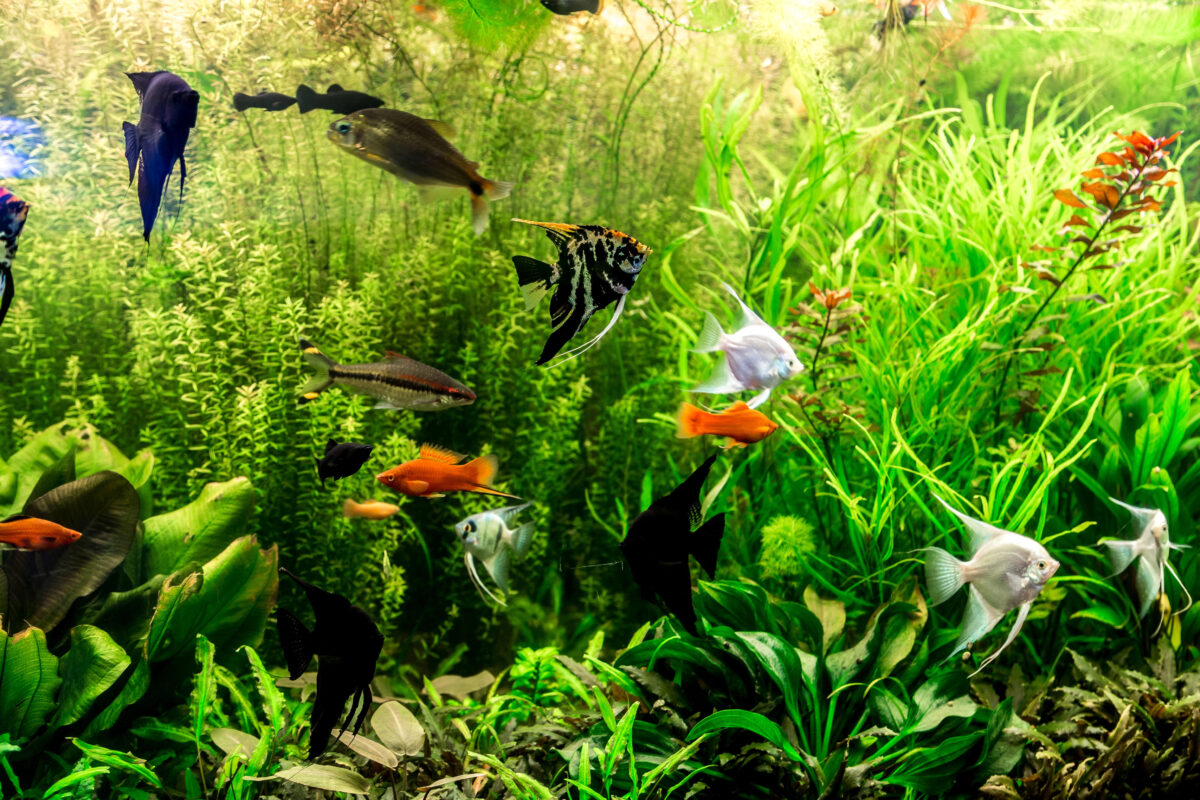
Preventing Aggression & Bullying
Some species are naturally territorial. Others become aggressive when space is limited or when tank mates invade their preferred area. These tensions usually build slowly, so early warning signs matter.
You may notice chasing, fin nipping, or one fish staying in a corner to avoid others. These behaviors often mean the fish feel threatened or stressed.
Five Ways To Reduce Aggression
- Choose tank mates that match your fish’s temperament.
- Add plenty of hiding spots with plants, caves, or driftwood.
- Rearrange decor if aggression becomes consistent.
- Keep fish in appropriate group sizes for their species.
- Remove or rehome persistently aggressive fish when needed.
Providing Adequate Space & Habitat
Space influences behavior more than most people realize. Crowded environments increase stress levels and trigger competition for food and territory.
A well-designed tank also gives fish places to rest, hide, and retreat. These small pockets of space help reduce tension between species and make the tank feel safer overall.
5 Steps To Create A Healthier Habitat
- Follow species-specific tank size guidelines, not generic ones.
- Leave open swimming areas by placing decor toward the back and sides.
- Offer multiple hiding options so no single fish controls them all.
- Keep active swimmers and bottom dwellers separated by vertical space.
- Add visual barriers with plants to break up direct lines of sight.
Situational Mistakes That Sneak Up On Fishkeepers
Some aquarium problems do not appear until your routine changes. These issues often develop quietly and become noticeable only when the tank is under pressure.
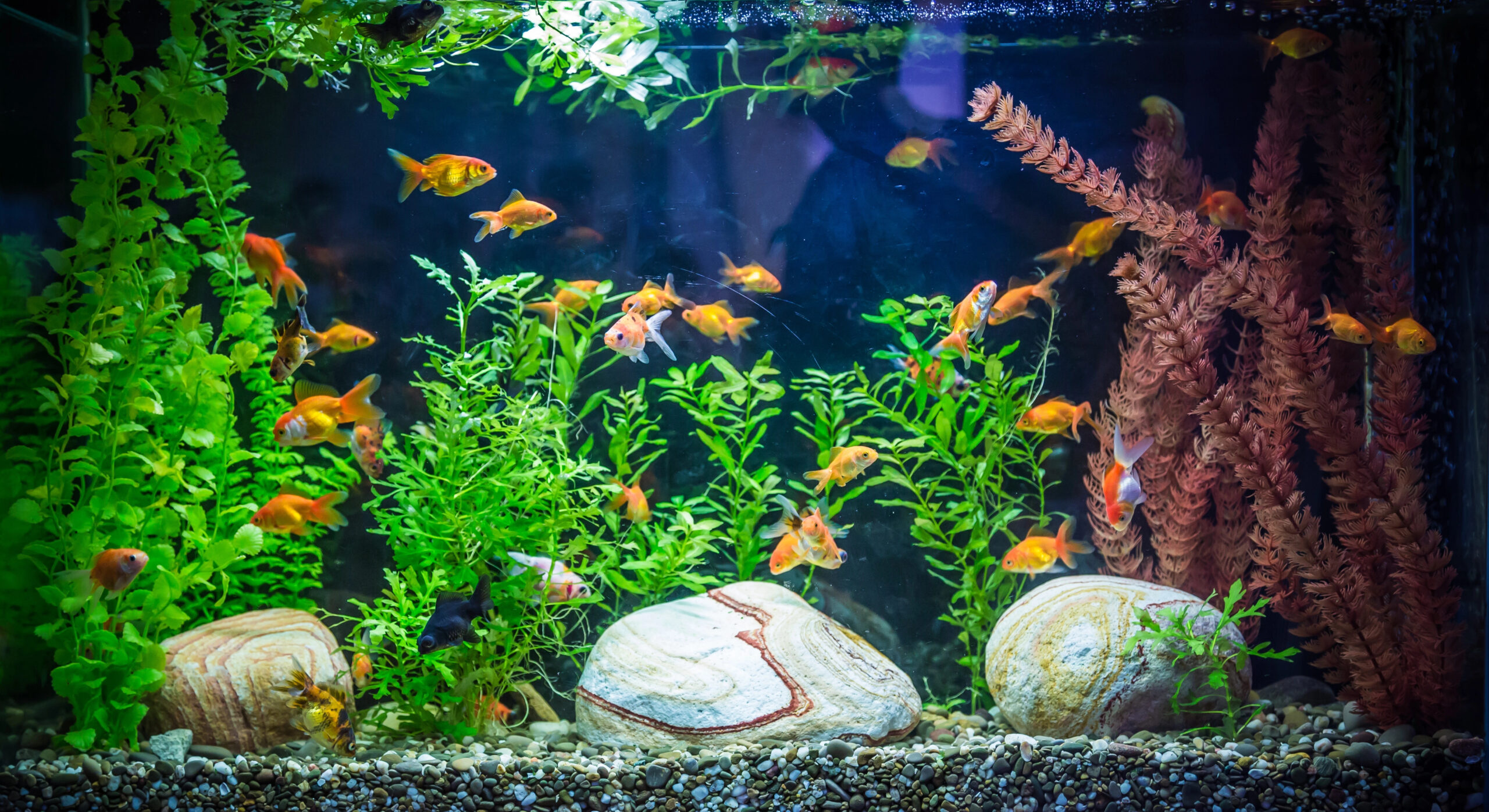
Overstocking The Tank
Overstocking happens for three reasons: the bioload is too high, the fish grow larger than expected, or there are simply too many bodies in too little space. Even experienced hobbyists underestimate how fast these issues creep up.
What Goes Wrong
Fish cause waste to accumulate faster than your filter and plants can process. Ammonia and nitrate rise first. Oxygen levels drop next.
Fish compensate by breathing harder, hanging near the surface, or hiding more often.
Crowding also alters behavior. Calm species become territorial. Schooling fish lose formation. Bottom dwellers compete for the same patches of substrate.
These changes show up long before the water looks dirty, which is why many owners miss the early signs.
The Fix
You can safely increase your stocking level, but only if you balance bioload, tank size, filtration strength, and territory zones.
Try the following:
- Know each species’ adult size and waste output. Some small fish produce far more waste than expected.
- Add fish by tiers, not by numbers. Aim for a balanced group of top, mid, and bottom dwellers rather than a single layer.
- Boost natural filtration. Dense live plants, surface agitation, and a slightly oversized filter help process waste faster.
- Test nitrate weekly. If levels climb faster than you can control, your tank is overstocked even if it “looks fine.”
- Make hard calls when needed. Rehome fish or upgrade tank size if aggression, cloudiness, or chronic nitrate issues persist.
Watch: Why some tanks can safely hold more fish. This 10-gallon works because the species have low bioloads, strong plant coverage, and separate swimming zones. Stock smart, not just light or heavy.
Mistakes That Happen During Vacations
Even a short trip can create problems inside your tank. Small imbalances become larger when no one is home to correct them.
What Goes Wrong
Overfeeding is one of the most common issues during vacations. Automatic feeders may dispense more food than needed, leading to ammonia spikes.
Evaporation can change water chemistry while you are away. Filters may clog, and heaters can drift off their usual temperature range. All of these issues add stress that builds over several days.
The Fix
Preparing your tank before a trip helps reduce risk.
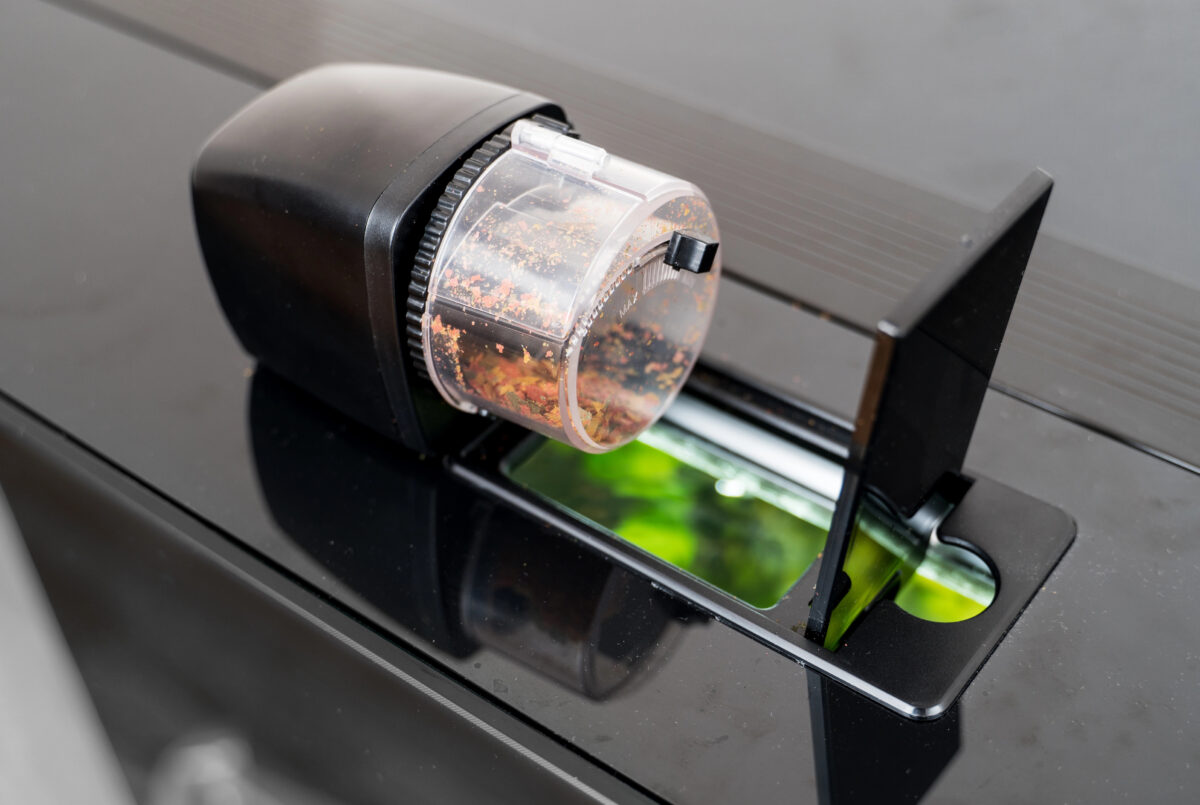
Use these steps to keep things stable:
- Perform a partial water change and check your filter the day before you leave.
- Use a high-quality automatic feeder or pre-measured portions for a friend.
- Top off water to reduce evaporation swings.
- Ask someone to check the tank once or twice if you will be gone for more than a week.
Sudden Changes To Feeding, Lighting, Or Water Parameters
Aquariums stay healthiest when conditions remain stable. Quick changes can confuse fish and disrupt the tank’s balance.
What Goes Wrong
Fish often react strongly to sudden shifts. A new food formula may upset their digestion. A brighter light can trigger algae blooms or make skittish species hide more.
Rapid changes in pH or temperature cause physical stress. Even hardy species may stop eating or become more aggressive. These reactions usually appear within 24 to 48 hours.
The Fix
Slow adjustments are easier for fish to tolerate.
Keep things stable by:
- Making only one change at a time so you can monitor the effect.
- Introducing new foods gradually and watching for appetite changes.
- Adjusting light schedules in small increments over several days.
- Testing pH and temperature after water changes to confirm consistency.
Adding Too Many Fish At Once
A tank may look empty or ready for more life, but adding several fish too quickly creates a sudden jump in waste levels.
What Goes Wrong
The beneficial bacteria in your filter cannot process the increased waste fast enough. Ammonia rises, nitrite follows, and the cycle becomes unstable.
New fish experience stress from the move, and old fish feel the pressure of a changing environment. This combination increases the risk of disease across the entire tank.
The Fix
Introduce fish slowly so the biological filter can adapt.
A safe approach includes:
- Adding one small group of fish at a time.
- Waiting a week or more before adding the next group.
- Testing water daily for several days after new arrivals.
- Increasing filtration if you plan a community tank with many species.
Using Tap Water Without Treatment
Tap water is safe for people but not for aquariums. It contains chemicals that can harm fish and beneficial bacteria.
What Goes Wrong
Chlorine and chloramine damage gills and disrupt the biological filter. Even a small amount can cause instant stress. The tank may stay clear at first, but as bacteria die off, toxins begin to rise.
Water conditioners also help remove trace metals and stabilize pH. Skipping this step can lead to long-term water chemistry problems.
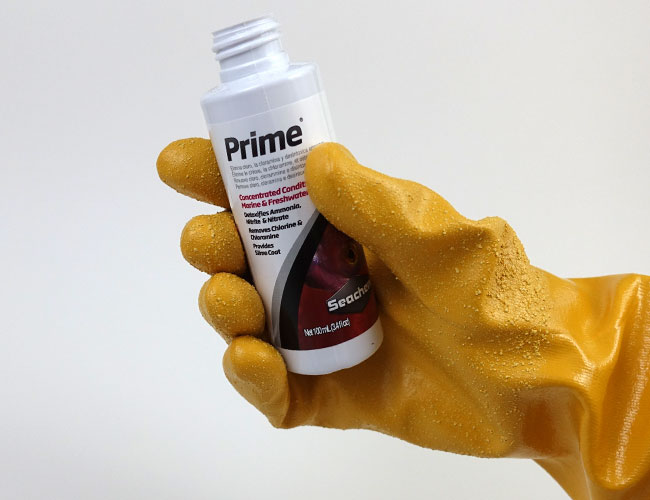
The Fix
Always condition tap water before adding it.
Make this part of your routine:
- Treat all new water with a dechlorinator.
- Keep an extra bottle of conditioner for emergencies.
- Test ammonia and nitrite within 24 hours after a large water change.
- Use a bucket set aside only for aquarium use to avoid contamination.
What To Do If You Already Made These Mistakes
Most people do not get everything right the first time. Aquariums have a learning curve, and even experienced fishkeepers make these same mistakes at some point.
The good news is that most problems are fixable. Minor adjustments in feeding, filtration, or maintenance can stabilize your tank in just a few days.
Start by choosing one area to improve. Slow, steady changes make a bigger impact than trying to fix everything at once.
Quick Fixes For Common Tank Problems
Aquariums can change fast, and sometimes you need a quick solution before digging into the long-term fixes.
These rapid responses help stabilize the tank and buy you time to troubleshoot.
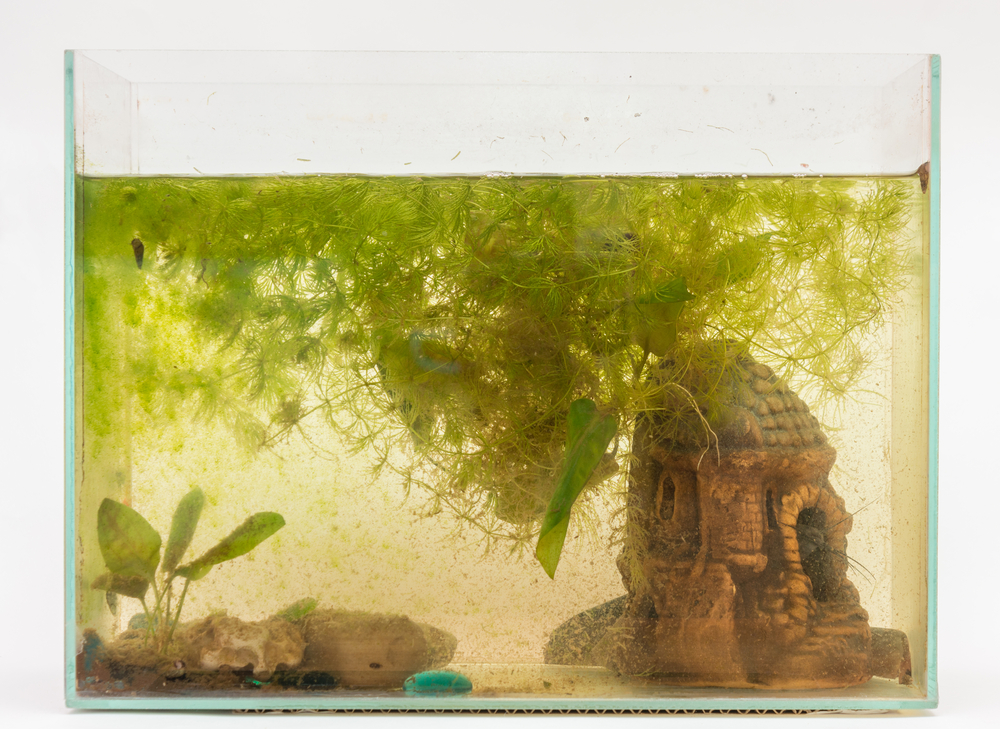
Cloudy Water
Cloudiness often comes from extra waste, overfeeding, or a bacterial bloom. These issues usually appear after a recent change in your routine.
Quick fixes:
- Reduce feeding for 24 to 48 hours.
- Change 25 percent of the water.
- Rinse the filter sponge in tank water if flow is reduced.
- Vacuum the substrate to remove hidden debris.
- Add bottled bacteria if the tank is new.
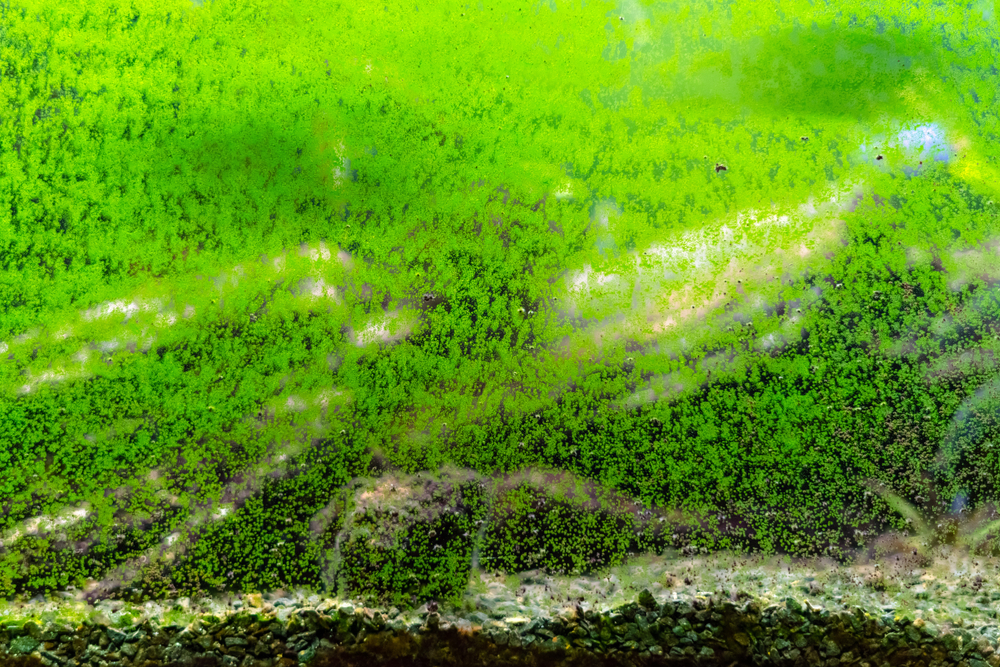
Algae Growth
Algae spreads when light and nutrients fall out of balance. This problem builds slowly and becomes noticeable once the tank begins to look green or hazy.
Quick fixes:
- Reduce the light schedule to six to eight hours per day.
- Remove visible algae with a scraper or cloth.
- Vacuum areas where waste collects.
- Add fast-growing plants or algae eaters if appropriate.
- Test nitrate and phosphate levels.
Read our guide to the best algae control.
Fish Gasping At The Surface
Gasping is a sign of low oxygen or poor water conditions. It can happen suddenly and needs immediate attention.
Quick fixes:
- Increase surface agitation.
- Perform an immediate water change.
- Test ammonia and nitrite levels.
Bad Smells
Strong odors usually mean something is breaking down in the tank. This can happen after overfeeding, fish deaths, or poor circulation.
Quick fixes:
- Look for uneaten food or dead fish.
- Vacuum waste trapped in the substrate.
- Clean the filter intake and outflow.
- Improve circulation with an extra pump or air stone.
Fish Hiding More Than Usual
Shy behavior stems from stress, poor water quality, insufficient hiding spaces, or aggressive tank mates.
Quick fixes:
- Rearrange decor to reset territories.
- Test water chemistry to confirm stable conditions.
- Add more plants, caves, or decor.
- Reduce noise or movement near the tank.
Healthy Tank Checklist
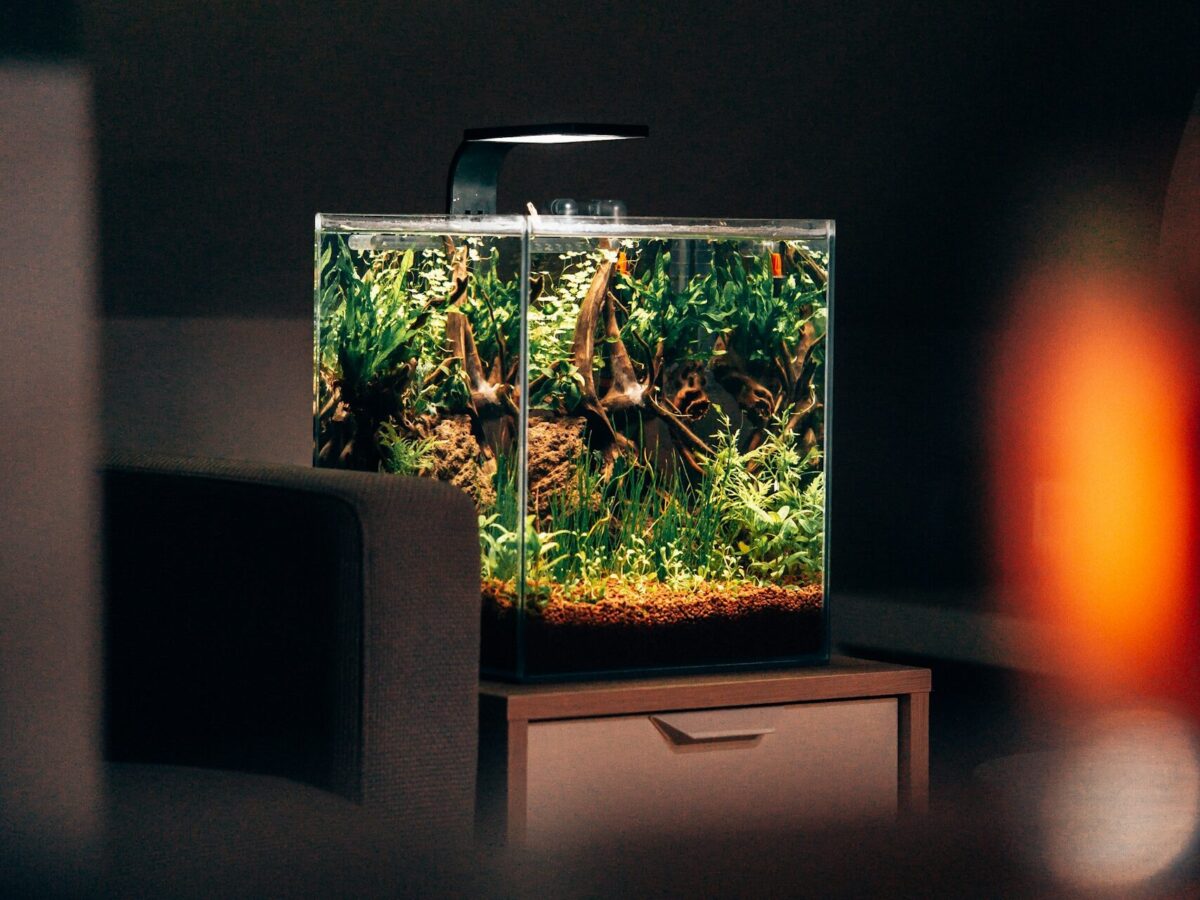
A healthy tank stays stable when you follow simple, consistent habits.
This checklist helps you maintain water quality, reduce stress, and prevent common problems before they begin. Use it as a weekly and monthly guide to keep your aquarium running smoothly.
Weekly Tasks
- Test ammonia, nitrite, nitrate, and pH.
- Change 15 to 25 percent of the water.
- Vacuum a small section of the substrate.
- Clean the inside glass.
- Check temperature and equipment.
Monthly Tasks
- Rinse mechanical filter media in tank water.
- Replace chemical media if you use it.
- Lift decor to remove hidden debris.
- Review fish behavior for changes.
Seasonal Or Occasional Tasks
- Deep clean the filter housing.
- Trim or replant live plants.
- Replace failing heaters or thermometers.
- Reevaluate stocking levels as fish grow.
5 Common Fishkeeping Myths That Cause Problems
Myths spread quickly in the aquarium hobby, and many sound believable. These ideas can lead to avoidable mistakes.
- Small Tanks Are Easier. Smaller tanks are less stable and require more attention.
- Clear Water Means Healthy Water. Water can look clean while hiding dangerous levels of ammonia or nitrite. Only a test kit shows what is really happening.
- Fish Only Need Feeding Once A Day. Some species need smaller meals twice a day. Large feedings increase waste and harm water quality.
- Tap Water Is Safe Without Treatment. Untreated tap water contains chlorine or chloramine that harms fish and beneficial bacteria.
- Algae-Eating Fish Solve Algae Problems. No fish can fix an imbalance alone. Algae control starts with light and nutrient management.
Frequently Asked Questions
These common questions help you understand the basics of feeding, stocking, and maintaining a stable tank. Each answer is designed to be short, skimmable, and easy to act on.
What Are The Most Common Feeding Mistakes?
Overfeeding is the most frequent issue. Extra food breaks down into ammonia and affects water quality. Feed your fish portions they can finish in a few minutes.
How Can I Avoid Overstocking My Tank?
Research the adult size of each fish before buying them. Start with fewer fish and add slowly. If nitrate levels rise quickly, your tank may be overstocked.
What Are The Signs Of Poor Water Conditions?
Look for gasping, clamped fins, lethargy, or odd swimming patterns. Cloudy water or strong odors also indicate problems. Test the water immediately if you see these symptoms.
How Should I Acclimate Fish To A New Aquarium?
Float the sealed bag for 15 to 20 minutes. Add tank water to the bag slowly for up to an hour. Transfer fish with a net instead of pouring the bag water into the aquarium.
Why Is A Regular Maintenance Schedule Important?
Consistent care keeps toxins low and equipment functioning correctly. Regular maintenance prevents minor issues from becoming larger, more expensive problems.
What Happens If I Skip Water Testing?
Skipping tests allows ammonia or nitrite to rise without warning. These toxins can harm fish before symptoms appear. Weekly testing helps catch issues early.
Should I Use Tap Water In My Aquarium?
Tap water is fine when treated with a water conditioner. Conditioners remove chlorine and chloramine, which are harmful to fish and beneficial bacteria.
How Often Should I Clean My Filter?
Clean mechanical media when the flow slows. Rinse it in tank water instead of tap water. Replace chemical media monthly if you use it and avoid replacing everything at once.
Take Your Tank To The Next Level
If you want to build an even more stable aquarium, explore our guides on creating a self-sustaining aquarium, reducing tank stress, and keeping fish alive and thriving long-term. These resources walk you through the next steps for building a low-stress, long-lasting, beginner-friendly tank.